 Chinagama
Premium Kitchenware Series (Part I)
Discover our award-winning customized spice grinding mechanisms and elegant tabletop storage collections.

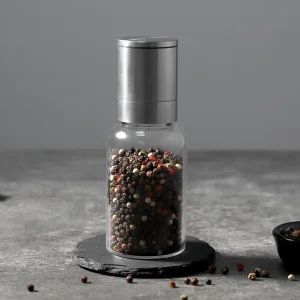
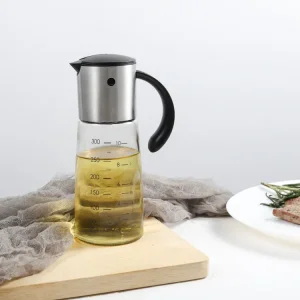
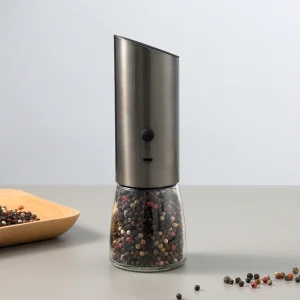
Industry Trends: The Evolution of Metal Spice Grinder Engineering
Insight into raw material developments, mechanical design changes, and eco-friendly practices in global kitchenware manufacturing.
High-Precision CNC Milling
Modern commercial spice mills utilize advanced CNC tooling to design sharp grinding teeth. Compared to standard die-cast metals, CNC-machined components provide consistent particle sizing, reducing spice waste and unlocking rich aromatic compounds during use.
Alloy and Surface Finishes
Sourcing standards have shifted toward food-safe anodized aluminum, 304/316 stainless steel, and titanium platings. These materials offer superior corrosion resistance to moisture and natural plant oils, ensuring structural integrity and longevity.
Ergonomics and Mechanical Efficiency
Optimized internal gear ratios and balanced rotational shafts reduce the force needed to grind tough peppercorns and sea salt. Anti-wear washers prevent direct metal-on-metal contact, eliminating metallic dust and maintaining clean spice flavors.
Over the last decade, the metal spice grinder market has shifted from simple manual crushers to high-efficiency, multi-stage grinding systems. Large-scale procurement partners prioritize suppliers that implement strict dimensional tolerances and certified food-safe surface treatments. Modern grinding systems must handle varying spice hardnesses without jamming or shedding micro-particulate residue.
At the same time, design languages have evolved. Traditional wood casings are now often combined with stainless steel housings or completely replaced by anodized aluminum. This shift provides professional kitchens and retail brands with high-performance kitchen tools that feature clear windows, magnetic closures, and clean structural aesthetics.
Meeting Global B2B Sourcing Demands
Global brands and distributors require high-volume manufacturing that remains flexible enough for customization. Sourcing managers evaluate suppliers based on operational stability, supply chain transparency, and quality control systems.
For custom configurations, B2B buyers look for advanced OEM/ODM capabilities that can turn custom concepts into physical products quickly. This requires skilled engineers, mock-up prototyping, and robust tooling design setups.
Our manufacturing facility offers a complete production ecosystem. By integrating design, toolmaking, plastic injection molding, CNC metal machining, and automated assembly in-house, we eliminate external delays and keep production on schedule.
Advanced Engineering and Design Adaptability
Our team works closely with commercial kitchenware brands to design unique aesthetic features and optimized mechanics. Whether optimizing a battery-powered USB grinder or engineering an adjustable manual mill, our R&D department delivers practical, patentable solutions.
By using advanced structural design and modeling software, we can predict mechanical stress, test grinding efficiency, and adjust component clearances before starting large-scale mold production.
This careful preparation reduces mold modification costs and guarantees that final products perform reliably in high-volume settings, helping our clients launch new products with confidence.

27+
Years R&D Expertise
16M+
Annual Production Capacity
300+
Design & Utility Patents
150+
Global Brand Partners
100%
Food-Grade Certified
About Chinagama: A History of Culinary Innovation
Established in 1997, our journey highlights continuous innovation, dedication to quality, and strong global partnerships.
Foundation & Early Trading Operations
Chinagama started its journey with a focus on trading high-quality household goods. By 2001, we adopted early online trading systems, building a reliable commercial network and connecting with international buyers.
Transition to In-House Manufacturing
Driven by a passion for kitchenware, we transitioned from trading to direct production in 2003. This led to the setup of our first food-grade production plant in 2012, allowing us to directly monitor raw materials and assembly quality.
Award-Winning Designs & Technology Patents
Recognized as a high-tech enterprise, our designs have earned multiple Red Dot and iF Design Awards. With over 300 patents, our facility manufactures over 12 million pepper grinders annually, serving retail partners worldwide.

Our Strategic Vision & Core Values
Corporate Vision: To be the preferred supplier of premium kitchen grinding tools for mid-to-high-end brands around the globe, setting the standard for quality, design, and performance.
Corporate Mission: We are committed to helping our customers overcome challenges by providing more competitive grinding solutions and customized services. With a deep understanding of industry needs and continuous innovation, we strive to enhance brand value and become a trusted long-term partner for our customers.
Key Principles: Focus on professional engineering, commit to technological innovation, prioritize sustainable manufacturing, and build lasting, mutually beneficial relationships with our business partners.
Case Studies: Solving Real-World Design Challenges
Examples of how we work with clients to develop innovative, functional kitchenware solutions.
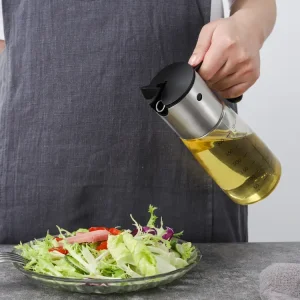
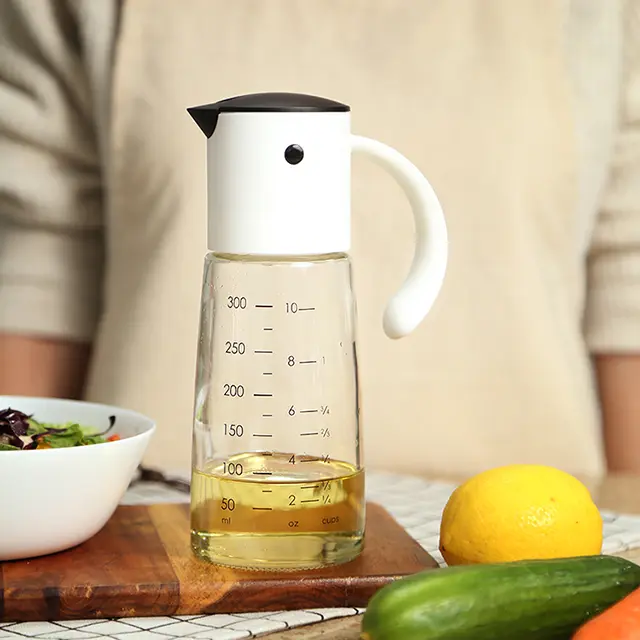
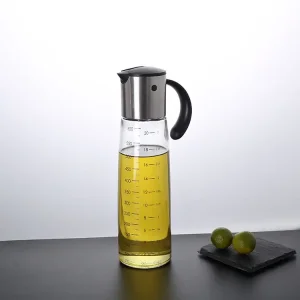
1. The Bird Spout Gravity Oil Dispenser (Red Dot Winner)
Market Analysis: Research indicated that consumers wanted clean-pouring, one-handed oil dispensers to replace messy, drip-prone lids.
Design Process: Our engineering team designed a gravity-activated lid that opens and closes automatically based on tilt angle. We iterated on the spout shape to find a design that prevents dripping while pouring smoothly.
Outcome: This project received a Red Dot Design Award and remains a top-selling product in our liquid dispenser collection, demonstrating our focus on functional, consumer-led design.
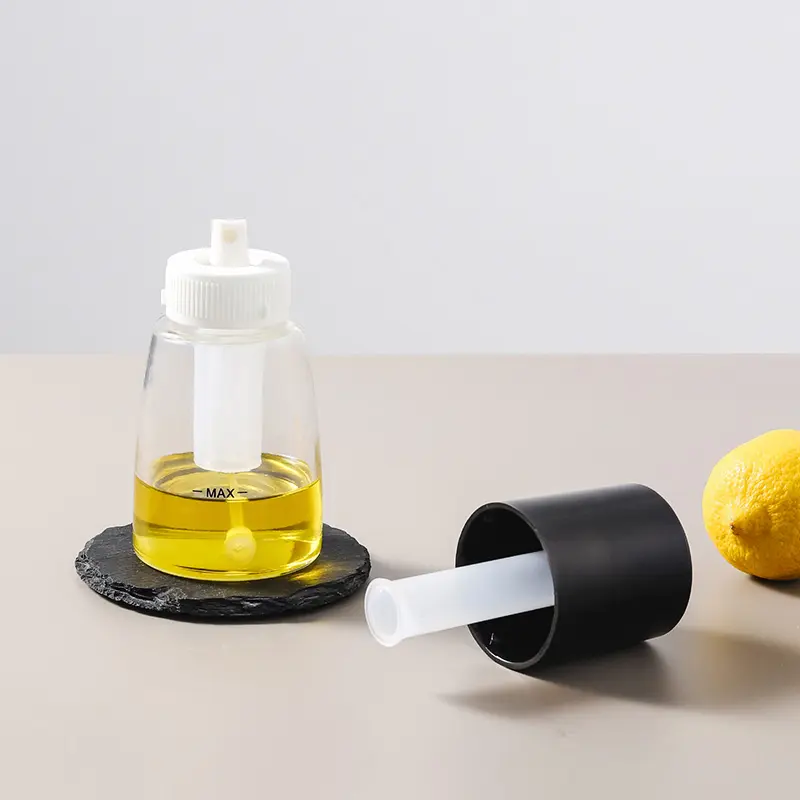
2. Engineering the Safe Oil Mist Sprayer
The Challenge: A partner brand wanted a high-pressure oil sprayer. Early testing showed that standard ABS and PMMA plastics cracked under stress when exposed to organic vegetable oils.
Material Innovation: Our engineers tested alternative materials, deciding on a specialized, chemical-resistant PP polymer formulation. This material maintained structure and safety under pressure without cracking.
Outcome: The updated sprayer met all safety standards, helping the brand expand its presence in the healthy cooking spray sector.
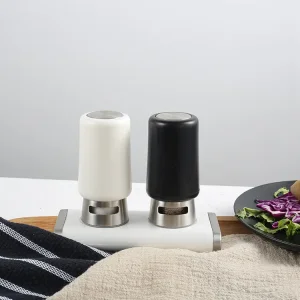
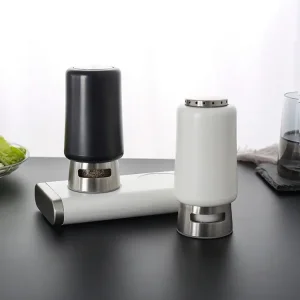
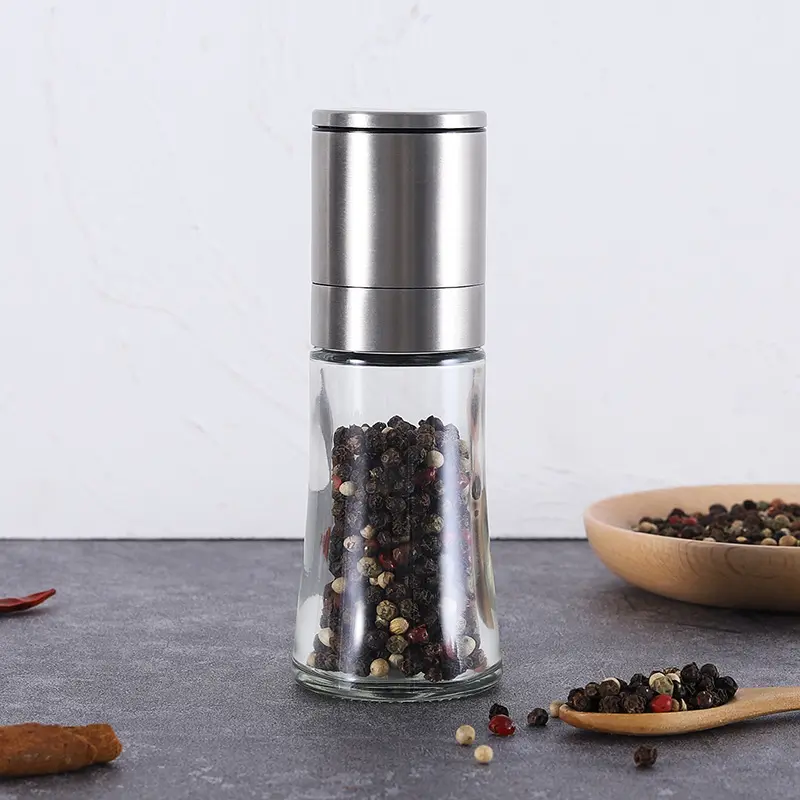
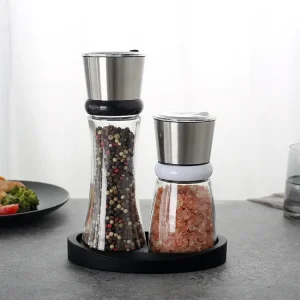
3. Compact Ergonomic Salt & Pepper Grinders
The Challenge: Many traditional manual mills are bulky, heavy, or difficult to turn for users with limited grip strength.
Ergonomic Solutions: We developed a compact, straight-walled housing with textured exterior panels. By redesigning the internal ceramic burr set, we reduced rotational friction for easier grinding.
Outcome: This compact grinder received positive customer feedback for its ease of use, proving popular with senior users and busy commercial kitchens.
Comparison: Choosing the Right Burr and Body Materials
A technical guide to help procurement managers balance cost, durability, and grind performance.
| Material Class | Common Applications | Relative Wear Resistance | Primary Benefits | Key Sourcing Considerations |
|---|---|---|---|---|
| Anodized Aluminum | Ergonomic Manual Spice Mills | Very High | Lightweight, resistant to corrosion, anodized finishes available | Requires precise thread tolerances to avoid friction wear |
| 304 Stainless Steel | Commercial Salt & Pepper Mills | High | Corrosion-resistant, impact durable, easy to clean | Polished finishes require regular cleaning to prevent fingerprints |
| Alumina Ceramic Burrs | Dry Salt & Peppercorn Grinding | Extremely High | Will not rust, retains sharpness, chemically inert | Can chip if foreign objects (like stones) enter the grind chamber |
| Carbon Steel Burrs | Specialty Coffee Grinding | High | Extremely sharp edges, clean cuts | Prone to rust if exposed to moisture; dry cleaning only |
| BPA-Free Acrylic | Visible Spice Windows | Medium | Clear visibility of spice levels, impact-resistant | Must use high-grade PMMA/San to avoid hazing over time |
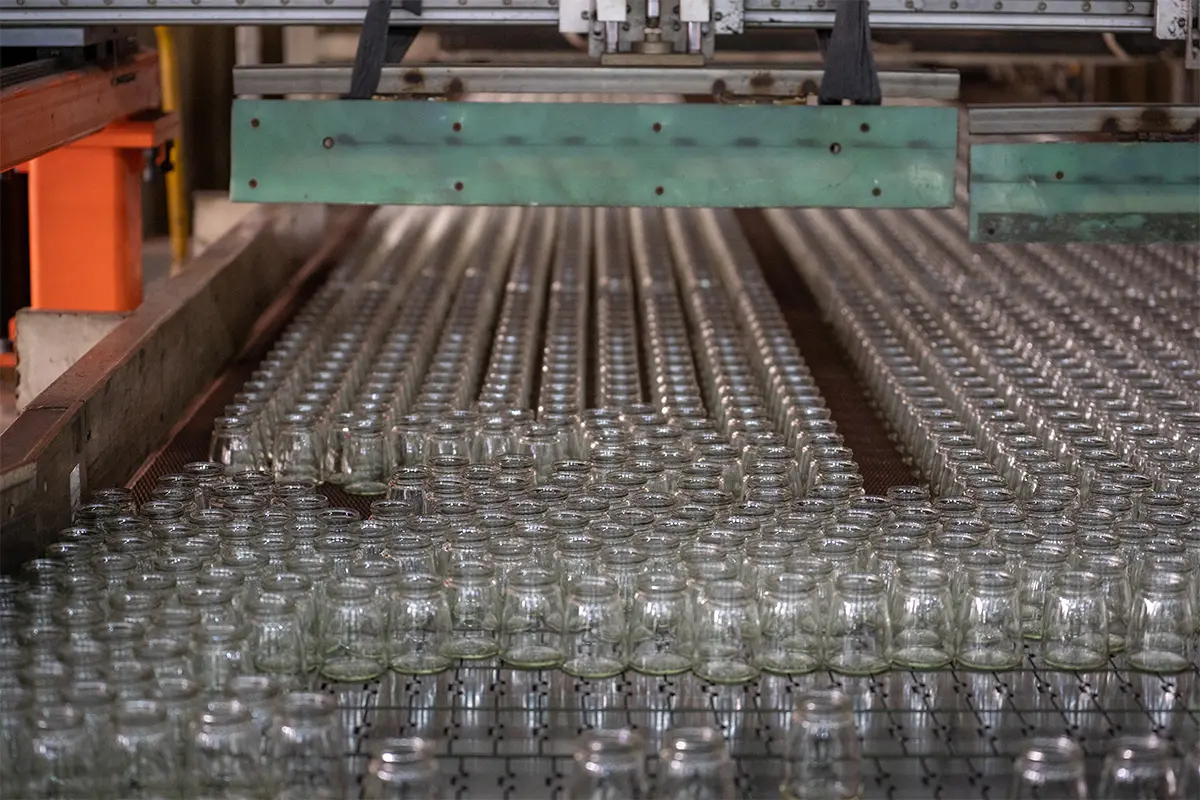
Modern Production Equipment and Workplace Standards
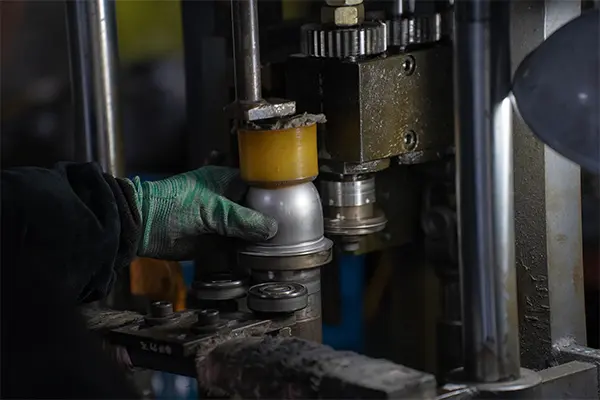
Our facility uses automated injection molding machines and precise stamping tools to maintain consistent manufacturing tolerances. By reducing manual handling, we keep product dimensions uniform across large production runs.
We invest in regular training programs for our factory team. Giving our technicians the tools and knowledge to monitor quality at their stations helps catch issues early and keeps production running efficiently.
This organized manufacturing process helps us deliver orders on time, ensuring reliable product supply for large retail networks and distributors.
Rigorous Product Safety Testing and Global Compliance
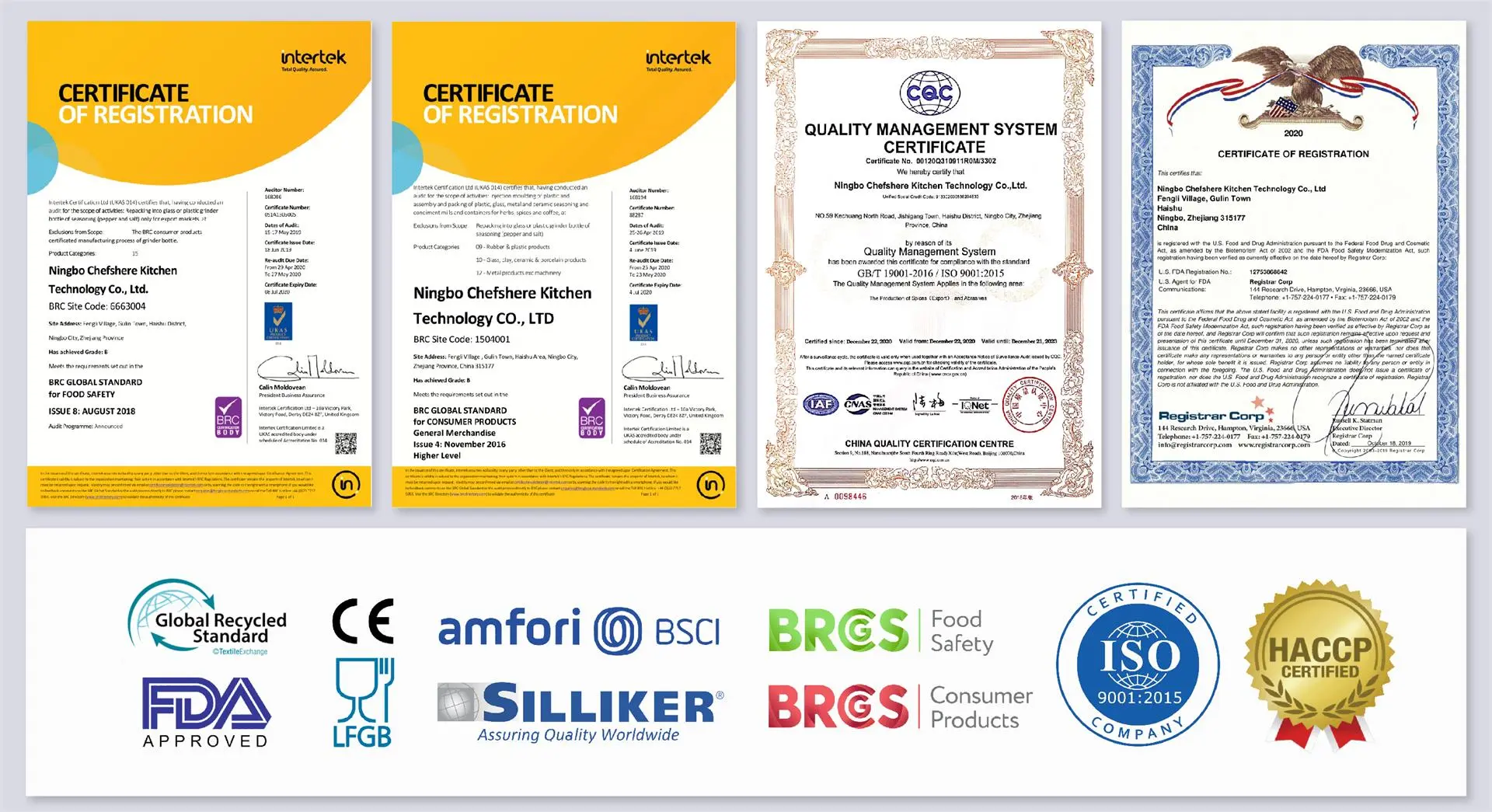
Food-contact items must meet strict international safety regulations. Every product series we manufacture goes through independent verification tests to ensure safety.
Our raw materials and finished products are certified to comply with major standards, including LFGB and FDA requirements, making them suitable for sale in North American and European markets.
By conducting regular audits and batch tests for heavy metals and chemical migration, we protect retail brands from recall risks and maintain long-term product reliability.
Engineering Roadmap: Looking Ahead
Our ongoing research efforts to make grinding tools more sustainable, precise, and efficient.
Sustainable Materials
We are testing bio-based plastics and recycled metals to reduce the environmental footprint of our packaging and grinder housings, helping partners meet eco-friendly procurement goals.
Integrated Battery Systems
We are updating our electric grinders with high-efficiency rechargeable lithium-ion cells and USB-C ports, providing longer battery life and consistent torque for pepper and spices.
Precise Adjustment Mechanisms
We are refining our adjustment click systems to provide repeatable grind settings, allowing users to switch easily between fine espresso, medium drip, or coarse pepper grinds.
Frequently Asked Questions: Global Sourcing and Manufacturing Details
Answers to common operational, material, and shipping questions from B2B buyers.
What is the standard Minimum Order Quantity (MOQ) for custom spice grinders?
Our standard MOQ for custom-colored plastic and metal spice grinders starts at 3,000 units per run. For fully custom ODM designs requiring new molds, the MOQ is adjusted depending on tooling complexity and production requirements.
How do you ensure food-contact materials comply with US and EU import regulations?
We source raw plastics and metals from certified, traceable suppliers. All components undergo regular lab testing to meet FDA (US) and LFGB (Germany/EU) food safety standards. We provide material declaration sheets (MDS) and test reports to our buyers upon request.
What is the typical lead time for new product tooling and initial production?
Prototyping and initial mold design take about 30 to 45 days. Once the pre-production sample is approved, manufacturing and assembly take 35 to 50 days, depending on seasonal demand and order size.
Can you manufacture customized grinding mechanisms for oily or wet spices?
Yes. Standard steel burrs can rust or clog when used with wet spices or oil-rich seeds. For these applications, we recommend ceramic burrs or specialty surface-treated steel sets, combined with specific clearance settings to prevent clogging.
Premium Kitchenware Series (Part II)
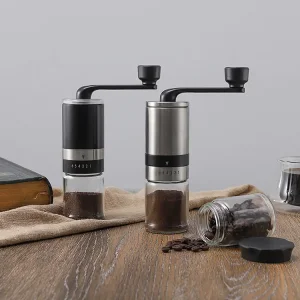
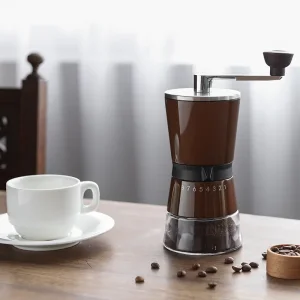
Explore our high-performance manual coffee grinders, oil dispensers, and tabletop spice mills.
Need Custom OEM/ODM Spice Grinding Solutions?
Partner with Chinagama for food-safe materials, patented designs, and reliable volume production.
Contact Our Engineering Team