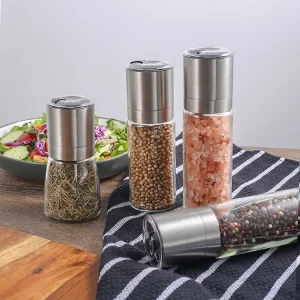
 Chinagama
Featured Wholesale & Custom Coffee/Spice Grinders
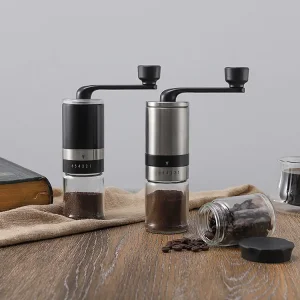
Wholesale Hand Coffee Grinder with Plastic Handle
Get Quote & Details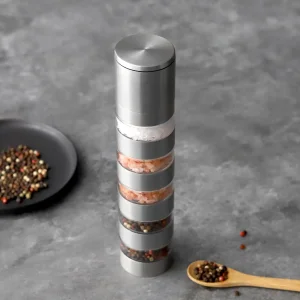
China Bulk Space-Saving Multi-Layer Spice Grinder with Adjustable Ceramic Burr
Get Quote & Details
Custom Wooden Hand Coffee Grinder
Get Quote & Details
Wholesale Glossy Plastic Manual Pepper Grinder
Get Quote & Details
Famous Wholesale Portable Herb Grinder Quotes, Factories
Get Quote & Details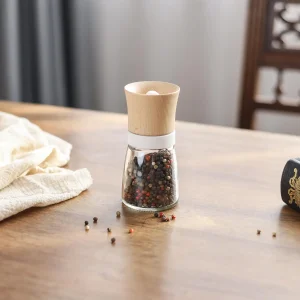
Custom Manual Wooden Salt and Pepper Grinder with Adjustable Burr
Get Quote & Details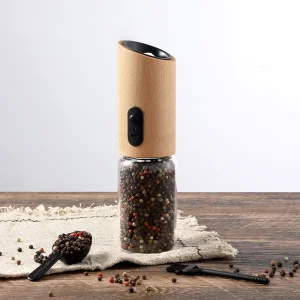
Wholesale USB Rechargeable Electric Wooden Pepper Mill
Get Quote & Details
Best Customized Manual Nutmeg Grinder Spice Mill Manufacturers
Get Quote & DetailsThe Resurgence of Tactile Rituals in Specialty Coffee
In the contemporary global beverage market, specialty coffee has evolved from a basic routine to a sophisticated lifestyle ritual. As third-wave coffee continues to capture consumer mindshare worldwide, manual grinders—specifically those crafted from premium natural wood—have emerged as the preferred aesthetic and functional choice for connoisseurs and B2B buyers alike.
Wooden manual grinders offer more than just visual appeal. The physical touch of seasoned hardwood, combined with the tactile feedback of low-RPM manual grinding, preserves the thermal stability of the coffee beans during the grinding process. Unlike high-speed electric grinders that can introduce thermal energy and prematurely oxidize delicate aromatic volatile compounds (such as fruit esters and light floral notes), manual wooden coffee grinders keep the contact surfaces cool, preserving the structural integrity and tasting profile of specialty origins.
For brand owners, wholesale distributors, and global kitchenware labels, importing high-end ODM wooden grinders is a direct avenue to achieving premium brand positioning. A high-quality grinder acts as a durable touchpoint in the consumer's home, driving brand loyalty and reinforcing a company's commitment to craftsmanship.

Strategic Industry Trends: ODM Wooden Coffee Grinders
The international market is transitioning toward premiumization, environmental responsibility, and mechanical precision. To capture modern consumer markets, OEM/ODM manufacturers are investing heavily in specific structural and material innovations:
🌲 Premium & Sustainable Hardwood Selection
Modern consumers demand FSC-certified hardwoods such as beechwood, black walnut, acacia, and rubberwood. These materials must undergo precise kiln-drying and moisture control processing (targeting 8% to 12% moisture content) to prevent cracking, warping, and bacterial growth in humid kitchen environments.
⚙️ Advanced Burr Geometry & Alignment
The core of any premium coffee grinder is its burr system. Modern ODM trends favor pentagonal or heptagonal CNC-machined stainless steel burrs or high-density alumina ceramic burrs. These guarantee high grind uniformity, minimizes fines, and reduces physical effort by optimizing bean feeding paths.
🎨 Seamless Tech-Natural Aesthetics
Modern industrial styling blends wood's organic texture with anodized aerospace-grade aluminum or matte-finished surgical steel accents. The result is a device that fits seamlessly into smart kitchens, specialty coffee shops, and premium office setups.
Global Enterprise Procurement Requirements
B2B buyers, category managers, and supply chain directors from major international homeware and coffee chains look for specific parameters when selecting an OEM/ODM manufacturing partner. To establish a reliable, high-performing procurement channel, the following criteria are essential:
Regulatory Compliance & Certifications
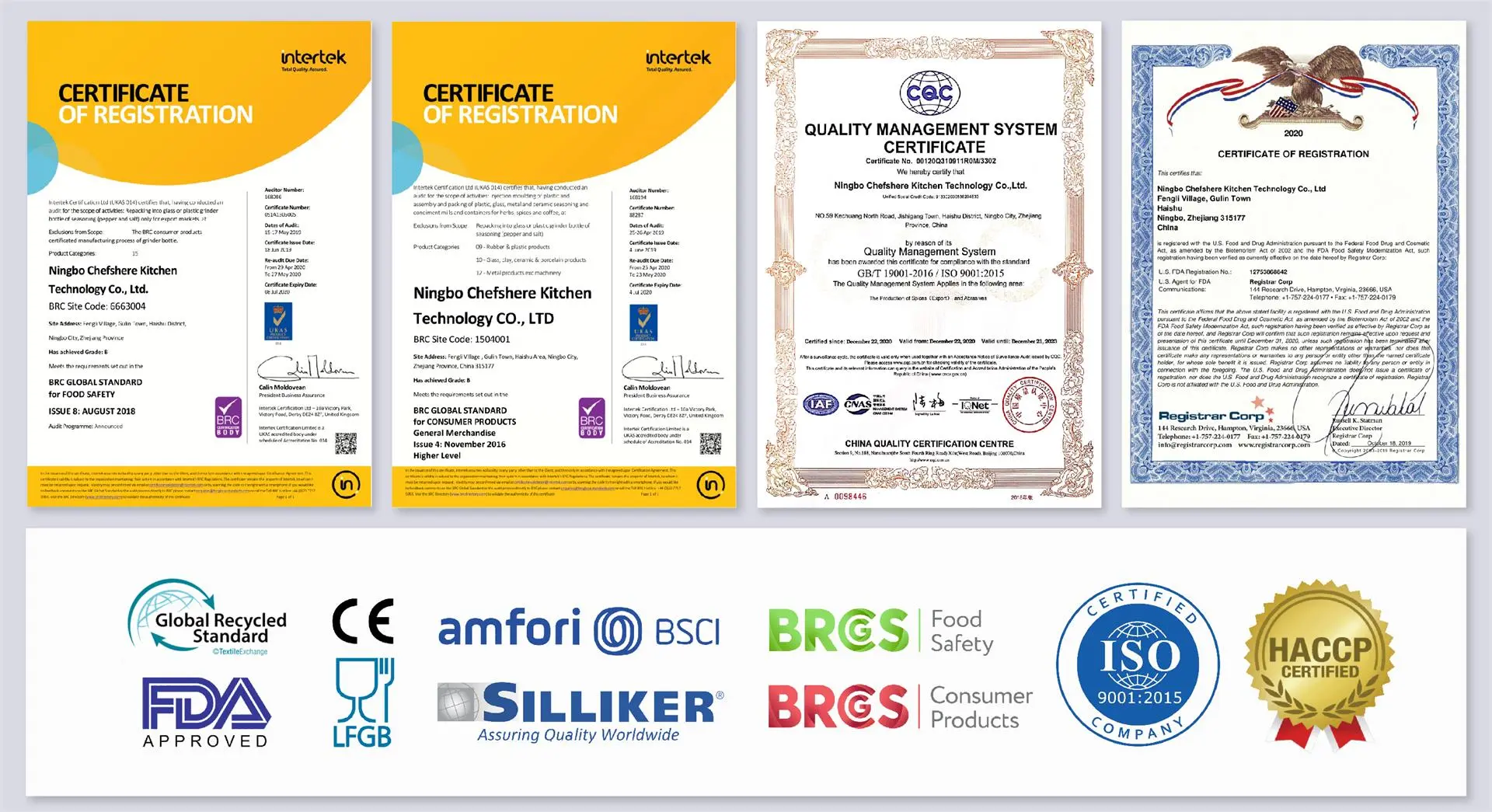
Products must carry certified testing reports from international third parties. Certifications such as FDA, LFGB, REACH, and RoHS ensure that the varnishes, coatings, adhesives, and materials used do not leach harmful chemicals into food products.
Rigorous Factory Quality Control (QC)
A reputable factory must offer dynamic product testing. This includes drop tests, salt spray testing for metal components, rotational wear testing under load (grinding test using real beans), and precise calibration controls for grind consistency.
Customization & Co-Development (ODM)
Buyers require flexible ODM capability. This includes professional industrial designers who can translate sketch drafts into 3D CAD files, rapid prototyping using SLA/FDM printing, and custom tooling development within 30 to 45 business days.
Welcome to Chinagama
Pioneering Culinary Innovations & Grinding Tools
At Chinagama, we are passionate about crafting high-quality and stylish kitchenware, specializing in salt and pepper grinders. Of course, we also manufacture other kitchenware items sought after by buyers, including coffee grinders, oil dispensers, soap dispensers, and more.
Since our establishment in 1997, we have been dedicated to delivering exceptional kitchenware development and manufacturing. Over the years, we have achieved over 300 patents and our meticulously designed and produced kitchen tools have been honored with the Red Dot Award and iF Design Award. We continue to innovate with new products to cater to evolving needs.
Our Journey & Milestones
In 1997, Chinagama embarked on its remarkable journey, initially focusing on trade work. With a keen eye for opportunities, in 2001, we embraced the emerging realm of online trade and set forth on a path of vigorous development.
Passion for Culinary Excellence and Kitchen Utensils: Driven by our passion for cooking and kitchen utensils, in 2003, we made a transformative shift from trade to production. This pivotal decision led us to establish a standardized food-grade production plant in 2012, empowering us to continuously innovate and introduce new, quality-driven products.
Evolving with Innovation: In 2015, our relentless pursuit of excellence was rewarded as we earned the prestigious title of a high-tech enterprise. Since then, our products have been consistently honored with the coveted Red Dot Awards and iF Design Awards, affirming our commitment to cutting-edge design and craftsmanship.
Continuing the Journey: Our journey doesn't end here. Chinagama continues to forge ahead, driven by a steadfast dedication to surpassing expectations and delivering exceptional kitchenware solutions to our global customers.
👁️ Our Vision
To become the preferred supplier of premium kitchen grinding tools for mid-to-high-end brands around the globe, setting the standard for quality, design, and performance.
🎯 Our Mission
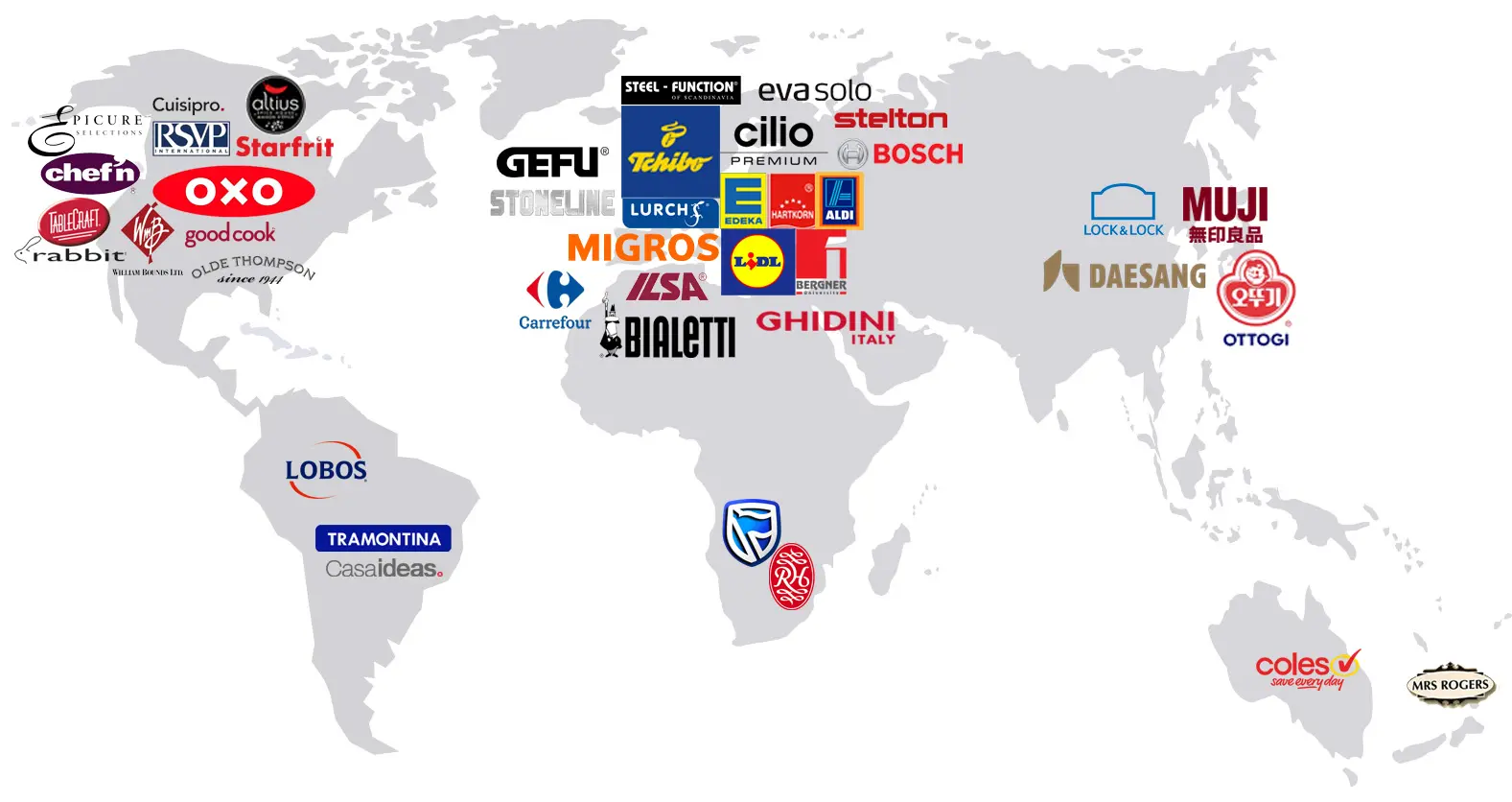
We are committed to helping our customers overcome challenges by providing more competitive grinding solutions and customized services. With a deep understanding of industry needs and continuous innovation, we strive to enhance brand value and become a trusted long-term partner for our customers.
💎 Our Values
Focus: Dedicated to mastering the art and science of grinding tools from concept to production.
Innovation: Believing forward-thinking designs achieve sustainable growth.
Sustainability: Prioritizing eco-friendly products and responsible manufacturing.
China Factory 4.0: Supply Chain Resilience & Efficiency Advantages
The manufacturing ecosystem in China has evolved far beyond low-cost labor. Today, companies like Chinagama leverage Factory 4.0 principles, bringing unprecedented speed, scalability, and resilience to the global supply chain.
⚡ Integrated Industrial Infrastructure
Our manufacturing cluster in China offers a concentrated vertical supply chain. Within a short distance, we access precision tooling factories, wood aging yards, premium steel suppliers, and specialized coating facilities. This proximity minimizes raw material lead times and insulates our operations from international shipping bottlenecks.
- Minimized transportation delays of domestic raw timbers.
- Fast prototyping cycles via localized mold and die makers.
- Instant access to specialized surface treatment capabilities.
🤖 Advanced Automation & Digital Quality Control
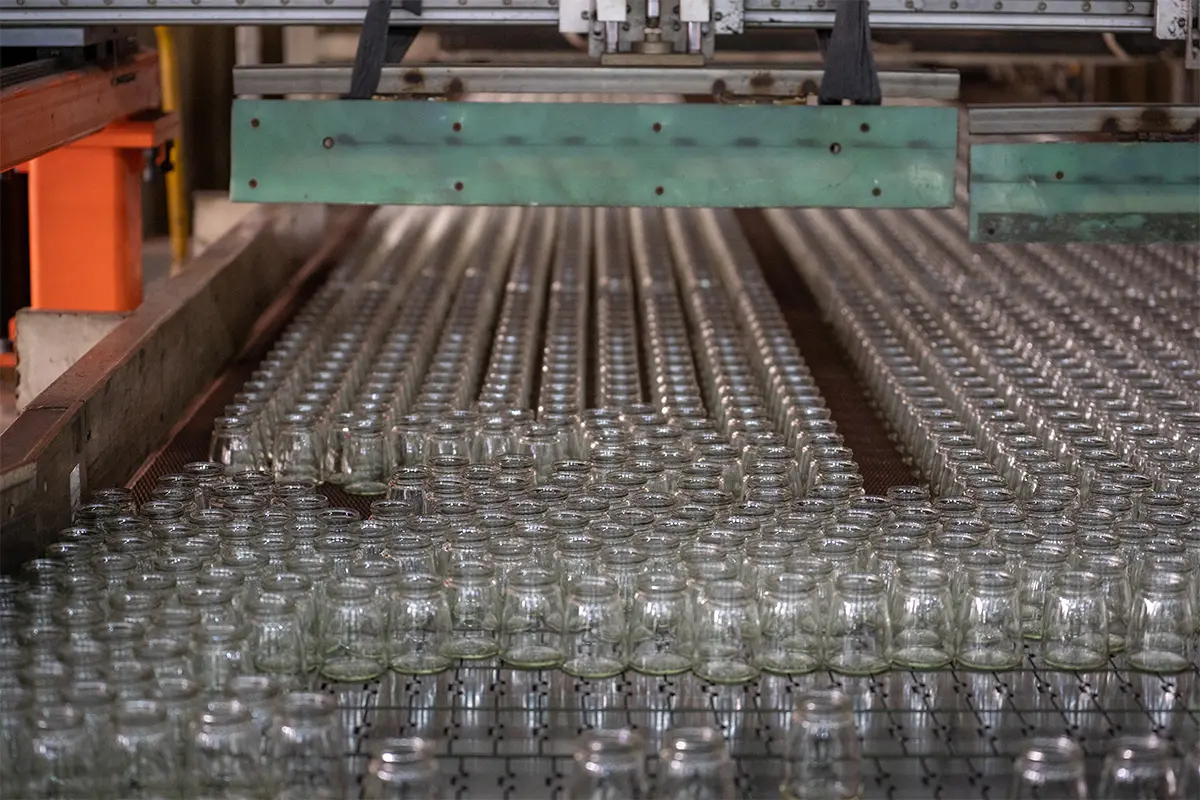
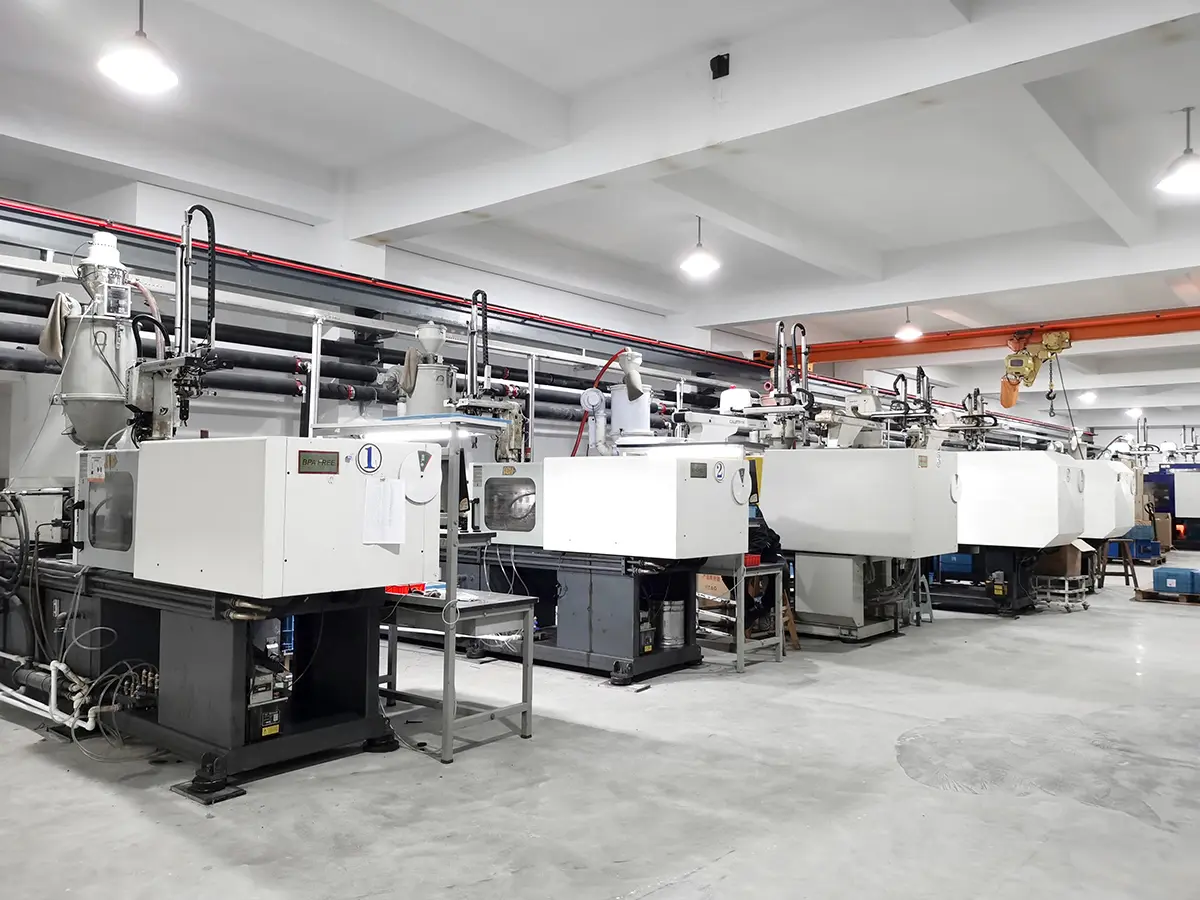
We combine advanced machinery with a skilled workforce to maintain consistent production quality. Automated CNC machines shape hardwoods with sub-millimeter precision, while digital cameras inspect metal and ceramic parts for defects. This ensures every piece matches the original design specifications.
- CNC-controlled lathe turning prevents manual wooden carving deviations.
- Multi-stage moisture meters test the wood continuously.
- High-throughput assembly lines scale rapidly to meet seasonal demands.
Collaborative Product Innovation & Project Success Cases
Chinagama's in-house engineering and R&D department collaborates closely with client brand teams to address specific market gaps. Below are key case studies demonstrating our ability to solve design, material, and manufacturing challenges:
🏆 Red Dot Award-Winning Bird Spout Oil Dispenser
The Opportunity: Market research showed growing consumer demand for more unique, humanized oil dispenser designs. Against this backdrop, Chinagama independently developed and launched a gravity-fed bird spout oil dispenser to meet new market needs.
Technological Breakthroughs: At the time, most oil dispensers on the market employed simple designs with few products offering drip-free, gravity-fed spouts. Chinagama set out to create an oil dispenser that could be easily single-hand operated without any drips. After multiple rounds of testing, the bird spout shape was finalized, not only meeting functional requirements but also being more aesthetically appealing.
Project Outcomes: With its excellent design and functionality, this breakthrough was quickly met with market acclaim and later won the prestigious Red Dot Design Award. To this day, the product remains one of Chinagama's most popular oil dispenser products.


🔧 Collaborative Development of Oil Mist Sprayer Project
The Challenge: Chinagama collaborated with a renowned kitchenware brand to conceptualize and develop an innovative oil mist sprayer. The client had high-performance requirements and proposed many innovative ideas, necessitating major technological breakthroughs.
Material Science Resolution: Capping off several weeks of in-depth research and exploration, our engineering team achieved significant breakthroughs. While we successfully mastered the manufacturing techniques, the process of selecting the right material presented its own set of challenges. After extensive testing, we uncovered a critical issue with ABS and PMMA materials: their susceptibility to stress cracking when exposed to vegetable oil, raising serious safety concerns. Consequently, we made the decisive switch to the more robust and non-toxic PP material, setting the stage for a triumphant product development.
Project Outcomes: The oil mist sprayer project demonstrated Chinagama's capabilities in pursuing engineering excellence and ensuring product safety. Developing and manufacturing a high-quality product meeting the client's stringent standards bolstered their market share growth in oil mist sprayers.
☕ Design and Production of Premium Salt & Pepper Grinders
The Concept: In the past manual pepper and salt grinder market, products often employed overly complex designs, added unnecessary weight, or pursued attractiveness at the expense of practicality, neglecting users' real needs. This sparked our desire for innovation.
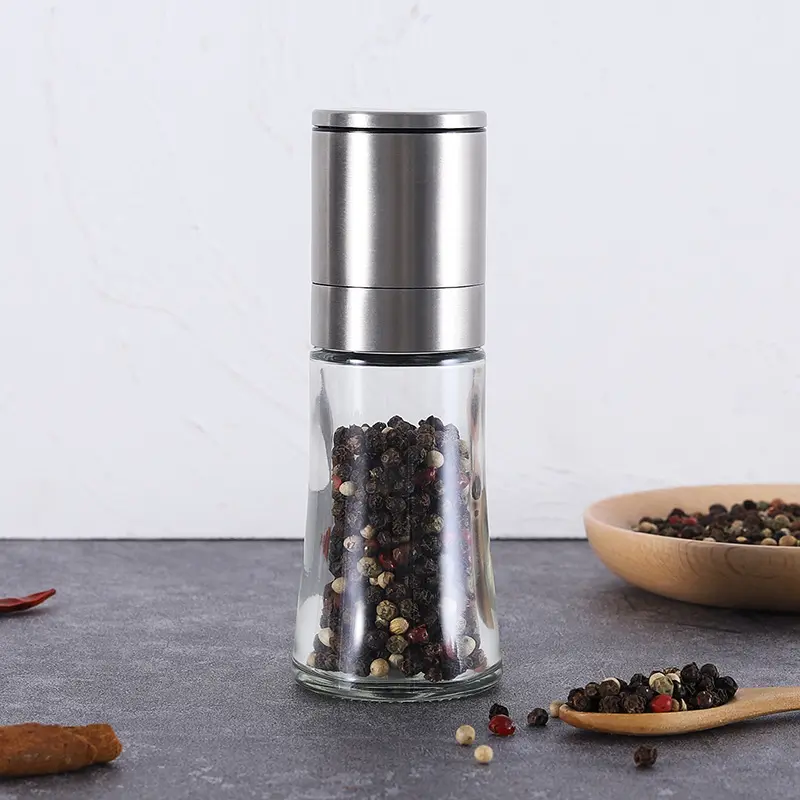
Patented Mechanics: At Chinagama, we believe a grinder's design should prioritize user experience. So we set out to develop a distinctive small straight pepper and salt grinder. To ensure ease of use and deliver superior user experience, Chinagama's engineers pioneered many new technical patents to resolve traditional grinding predicaments and imbue it with a clean, elegant look.
Project Outcomes: The successful launch of this pepper salt grinder garnered extensive market attention and recognition. Importantly, this grinder's success extended beyond market acceptance. Most significantly, our customers and users highly rated it. Their satisfaction and positive feedback are our greatest motivation.
Localized Application Scenarios: Where Performance Meets Lifestyle
Wooden manual coffee and spice grinders serve diverse user requirements across different commercial and residential environments. Understanding these specific application scenarios helps buyers refine their product customizations:
🏕️ Premium Outdoor & Travel Sourcing
The rise of specialty coffee gear for camping and travel has created a demand for compact, durable hand grinders. Portable wooden grinders with folding handles and canvas travel cases are highly sought after by premium outdoor retailers and lifestyle brands looking for value-added gift sets.
🏡 High-End Retail & Eco-Smart Kitchens
Eco-conscious consumers seek functional kitchen decor that minimizes plastic use. Hardwood hand grinders complement premium stone countertops and minimalist cabinets, making them a popular SKU for luxury homeware retailers and zero-waste boutiques.
☕ Professional Tasting & Specialty Cafes
Specialty coffee shops use manual grinders at their pour-over bars to highlight single-origin coffees. This allows baristas to interact with customers, explaining grind profiles and tasting notes while preparing the coffee, enhancing the overall sensory experience.
B2B Sourcing & Procurement FAQ
Ceramic Burrs: Ideal for spice mills and entry-to-mid level coffee grinders. They do not rust, generate minimal friction heat, and are cost-effective.
Stainless Steel Burrs: Recommended for premium specialty coffee grinders. They are CNC-machined, extremely sharp, produce highly uniform grinds with fewer fines, and are exceptionally durable.
Complete Product Catalog & Custom Sourcing Options
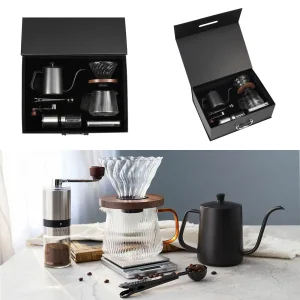
Custom Bulk Sale Portable Coffee Gift Set Exporter
Get Quote & Details
Custom Aluminum Alloy Salt and Pepper Grinder with S/S Burr
Get Quote & Details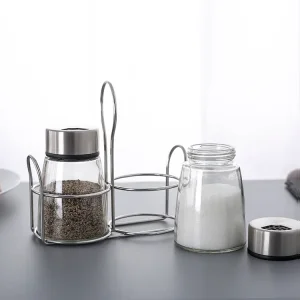
ODM Bulk Stainless Steel Salt And Pepper Shaker Set with Glass Jar
Get Quote & Details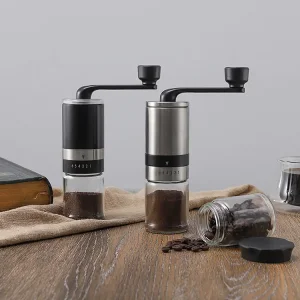
Custom Bulk Manual Coffee Grinder with Plastic Handle
Get Quote & Details
Best Customized Portable Spice Mill Grinder with Plastic
Get Quote & Details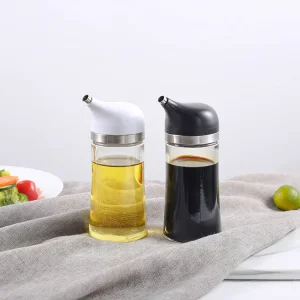
Wholesale Tritan Non-Drip Oil Dispenser
Get Quote & Details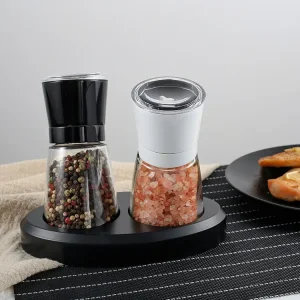
ODM Premium Manual Salt and Pepper Grinder Set
Get Quote & Details