 Chinagama
Featured Precision Kitchenware Products
1. The Evolution of Modern Dispensing Systems: Global Market Context
The global culinary landscape is experiencing a significant paradigm shift. Modern kitchenware is no longer evaluated solely on its basic utility; instead, it is scrutinized at the intersection of ergonomic design, food safety compliance, and technological integration. Within this evolution, the role of a premier ODMOliveOilDispenserBottleExporter has expanded from simple container manufacturing to the systemized development of liquid flow management systems.
Historically, olive oil storage relied heavily on basic glass jars or traditional ceramic pourers. These designs, however, systematically fail to address the three primary catalysts of oil degradation: oxidation, UV light exposure, and bacterial contamination. Chinagama, a pioneering leader in culinary innovations since 1997, has spent over 27 years re-engineering these household tools. Our focus remains on introducing smart gravity-fed dispensing solutions that eliminate messy drips, preserve the delicate polyphenols of cold-pressed oils, and integrate smoothly into high-volume commercial kitchens and design-forward consumer homes.

Through systematic research and development, we have redefined how liquids are dispensed. As consumer demand for healthy eating options escalates worldwide, culinary brands are seeking customized, patent-protected designs that help them stand out in crowded retail spaces. Chinagama’s continuous innovation satisfies this exact market gap, combining high-grade borosilicate glass, food-grade stainless steel, and precise automatic mechanical structures to build products that earn consumer trust day after day.
2. Global Procurement Demands: What Modern B2B Buyers Require
B2B sourcing agents, import managers, and global brand directors face a complex procurement environment. When looking for a manufacturing partner to export customizable olive oil dispensers, buyers must look beyond cost. They must balance strict regulatory compliance, consistent shipping logistics, and high-performance product designs.
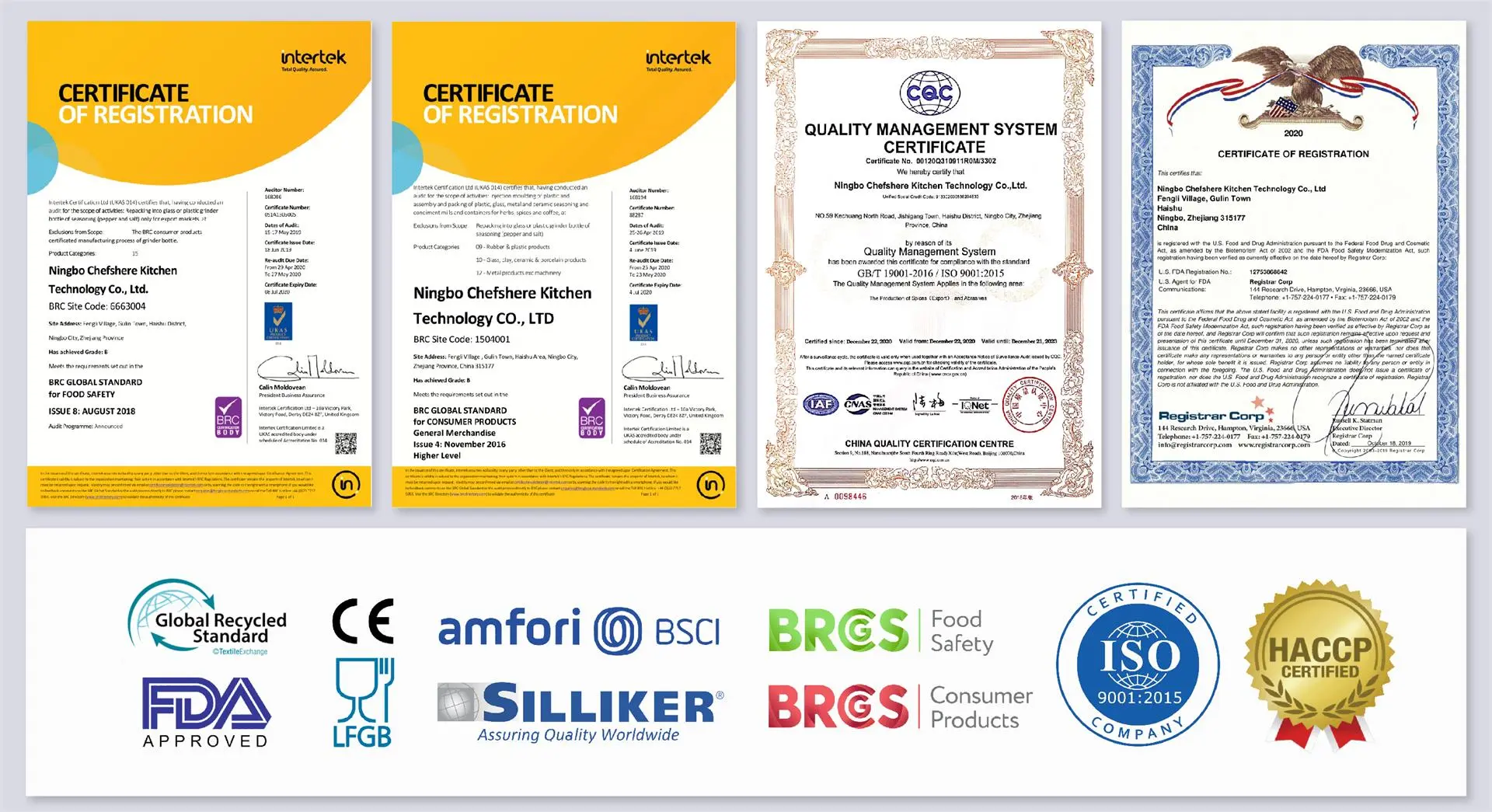
Under Google's E-E-A-T (Experience, Expertise, Authoritativeness, Trustworthiness) criteria, demonstrating a supplier's reliability requires concrete evidence of technical certifications. Chinagama has consistently met this challenge. Our factory processes and raw materials undergo strict audits by leading third-party testing firms, securing prestigious certifications such as LFGB, FDA, and ISO 9001 compliance standards.
Material Purity
Global regulations demand chemical inertness. Our dispensers utilize lead-free borosilicate glass, food-safe silicone sealants, and premium SUS 304/316 stainless steel to prevent chemical leaching, even when exposed to acidic liquids like vinegars.
Patent Security
With over 300 active patents, Chinagama provides global retail partners with the security they need to sell in highly competitive regions, protecting their investments against intellectual property claims.
Supply Chain Stability
Our raw material sourcing is highly diversified. We maintain robust supply agreements for glass, metal, and silicone components to prevent sudden market-driven disruptions from delaying customer shipments.
3. China Factory 4.0: Supply Chain Resilience and Efficiency
Modern manufacturing demands agility. The concept of "China Factory 4.0" is not merely about using robotics; it is about building a cohesive, digitally managed manufacturing ecosystem. At Chinagama, our assembly lines combine advanced semi-automation with real-time quality tracking to optimize efficiency at every stage.
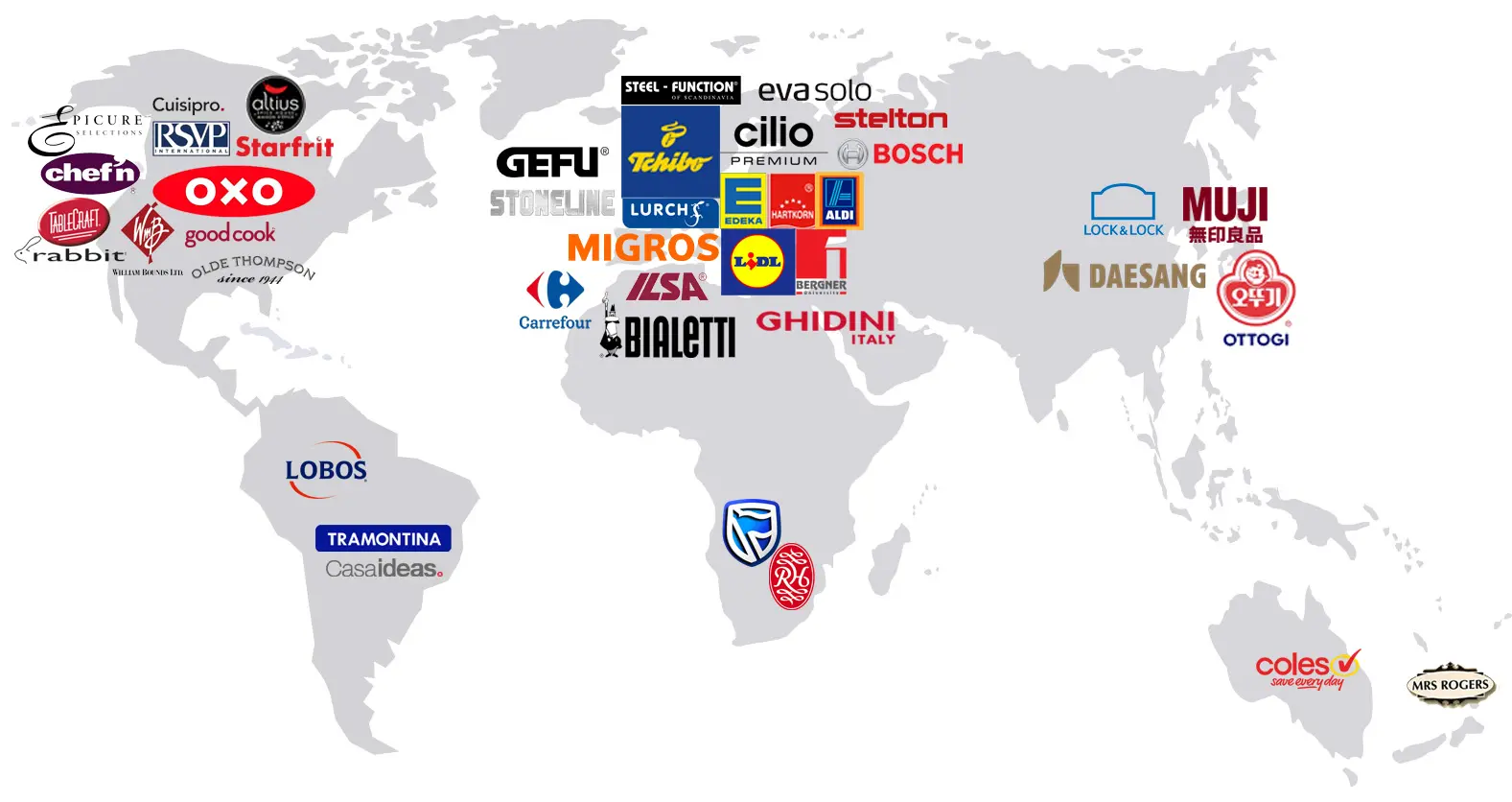
This digital supply chain model allows us to produce and export over 16 million units annually, with our operations generating successful product sales in key markets around the world. In fact, a Chinagama kitchen tool finds its way into a kitchen somewhere in the world every three seconds.
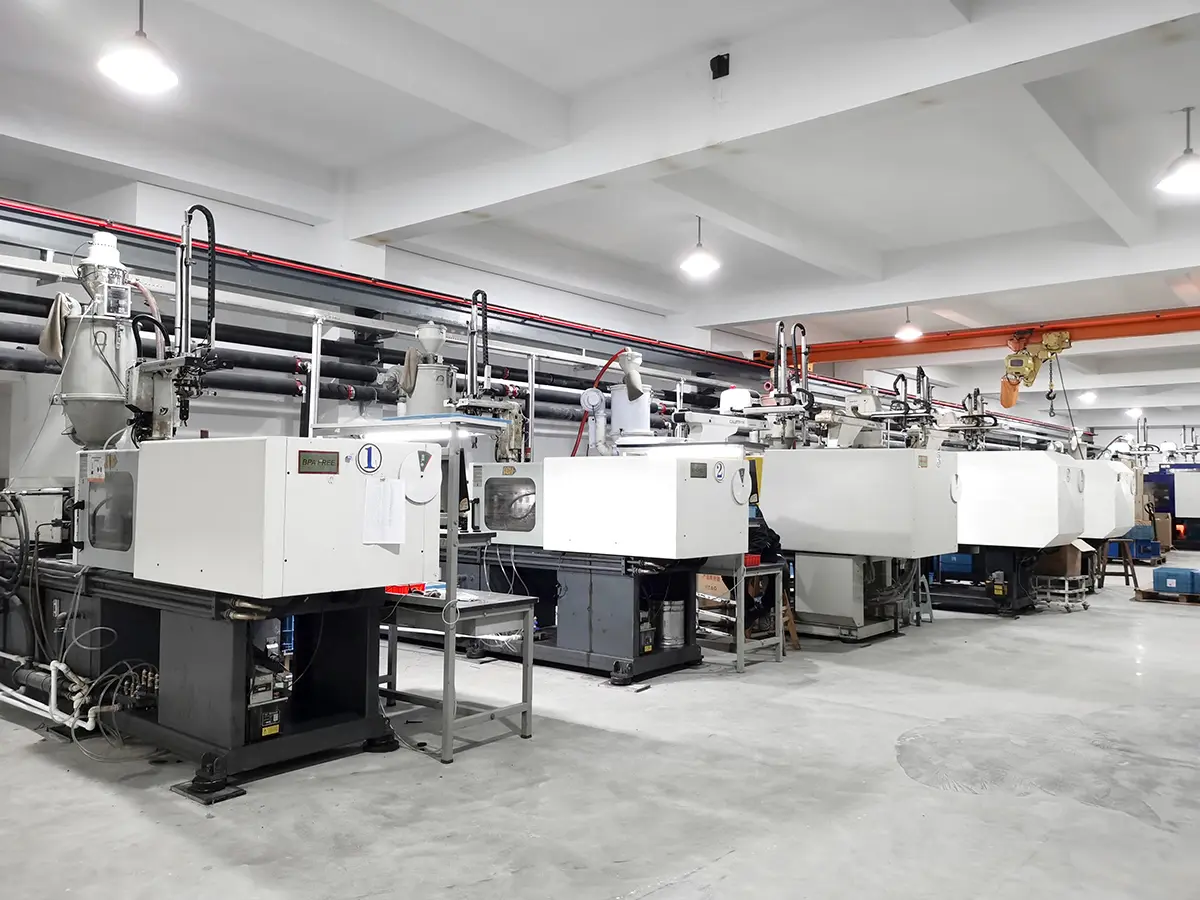
Our factory features advanced clean rooms, customized injection molding machines, automated CNC metal processing tooling, and high-precision glass blowing equipment. By keeping key manufacturing steps in-house, we retain absolute control over critical tolerances. This level of oversight ensures that our gravity-induction spouts open and close smoothly, preventing oil drips and preserving the clean appearance of the dispenser throughout its lifetime.
4. Corporate Blueprint: Strategic Journey, Mission, Vision, and Values
Established in 1997, Chinagama began as a dedicated trade enterprise. Our leadership team recognized the vast potential in digital business channels early on, shifting focus in 2001 to capitalize on emerging global trade opportunities. Driven by our deep passion for culinary craft and functional kitchen design, we transitioned directly into manufacturing in 2003. This strategic move led to the creation of our first food-grade production facility in 2012, laying the groundwork for the global supply network we operate today.
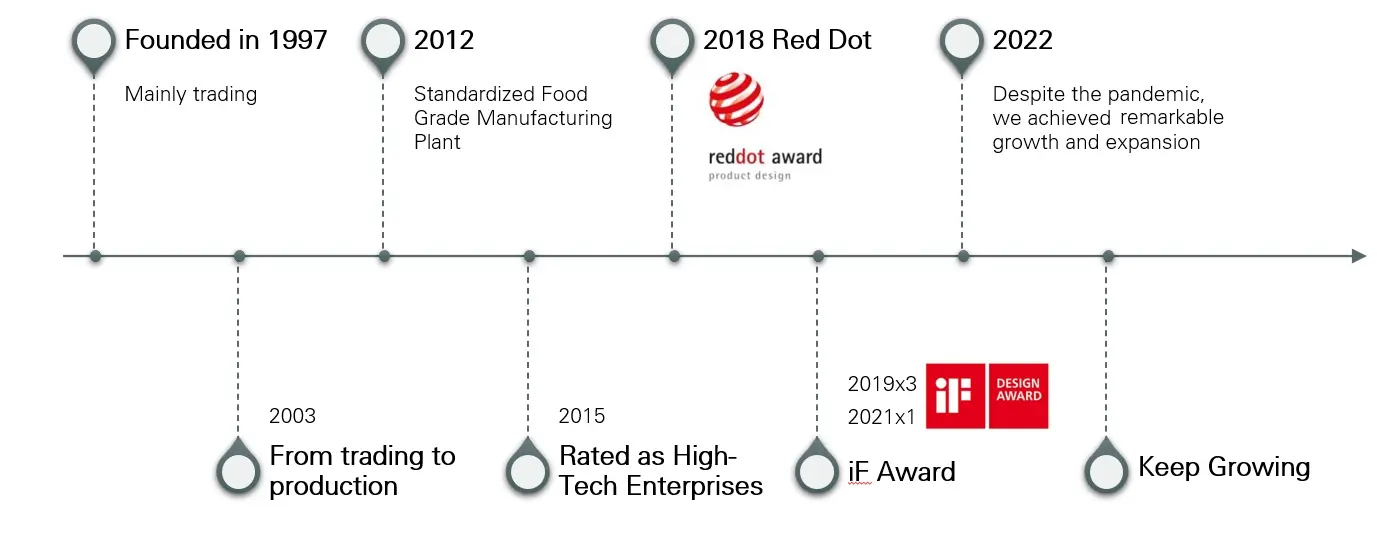

By 2015, Chinagama was recognized as a state-level high-tech enterprise. Over the years, our product line has secured multiple prestigious design recognitions, including the Red Dot Design Award and the iF Design Award. We are committed to achieving long-term partnerships through our clear corporate strategy:
- Our Vision: To serve as the primary supplier of premium kitchen grinding and dispensing systems for mid-to-high-end brands globally, establishing the industry benchmark for design, material safety, and mechanical reliability.
- Our Mission: To help our commercial clients overcome market obstacles by delivering competitive product solutions, complete customization, and reliable end-to-end support.
- Core Values:
- Focus: Deep commitment to the mechanics of grinding and liquid dispensing.
- Innovation: Combining industrial design with mechanical engineering.
- Sustainability: Minimizing waste and focusing on safe, durable materials.
- Win Together: Building transparent partnerships that deliver value to our clients and their end users.
5. Engineering Breakthroughs: Case Studies in Functional Innovation
Industrial design is only successful if it solves real-world challenges. At Chinagama, our R&D engineering team designs every element of our dispensers and mills to improve everyday usability. Below are three case studies showing how our design-and-development processes deliver functional solutions for our global partners.
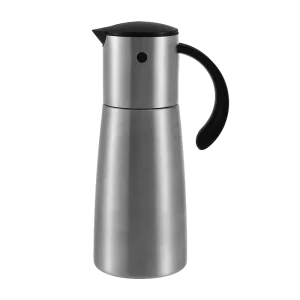
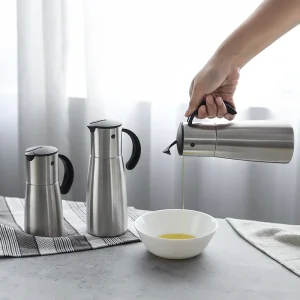
Market research revealed that consumers wanted a cleaner, single-handed way to pour cooking oils. Traditional oil bottles require manual caps or twist lids, which often get coated in oily residue. In response, Chinagama designed a gravity-fed bird spout oil dispenser.
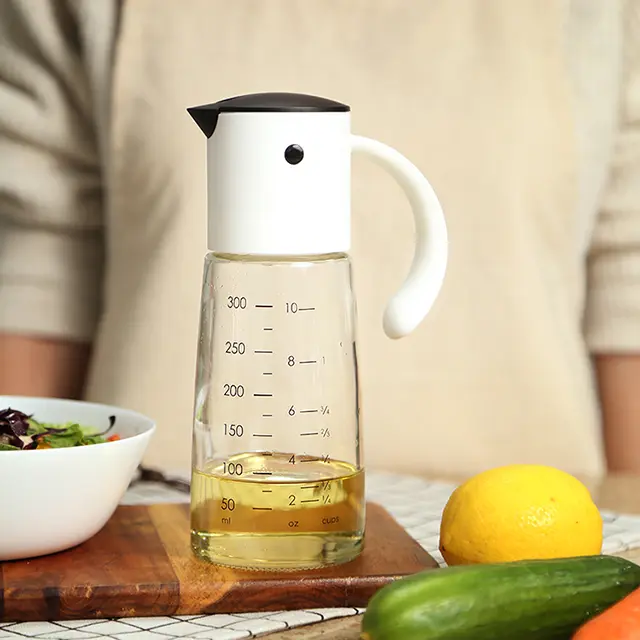
Our design challenges centered on creating a lid that would tilt open and shut automatically using gravity, without requiring batteries or complex electronics. Through careful balance testing, our engineers finalized a reliable mechanical hinge. The resulting design was recognized with a Red Dot Award, and it remains one of our most requested ODM dispenser models.
In a collaborative project with a major European kitchenware brand, our goal was to engineer a pump-action oil sprayer. Spraying viscous vegetable oil requires consistent internal pressure and durable material choices.
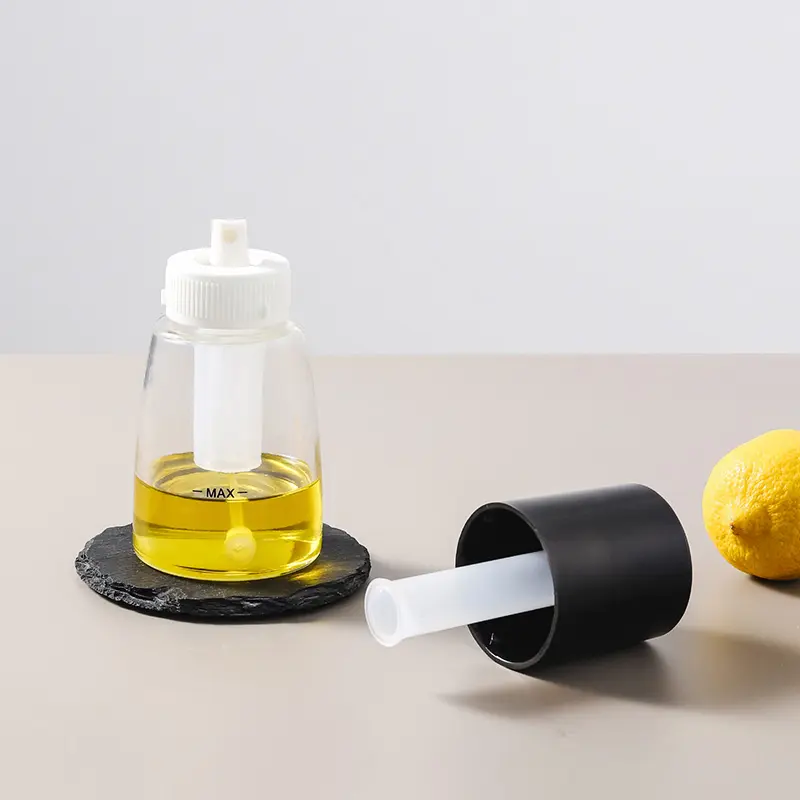
Early testing revealed that common plastic compounds, like ABS and PMMA, developed stress fractures over time when exposed to lipids under pressure. To eliminate this safety concern, Chinagama transitioned to a high-density, non-toxic PP polymer. This material upgrade resolved the structural weakness, helping our client establish a reliable product line in their domestic market.
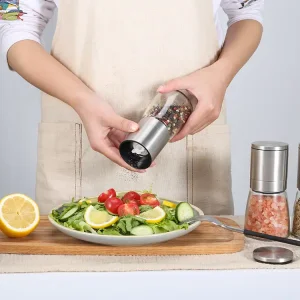
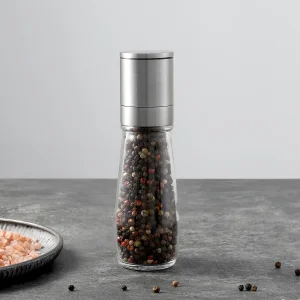
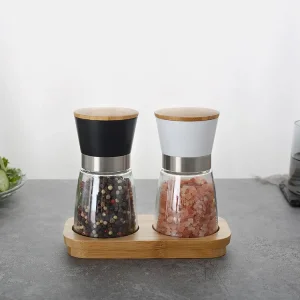
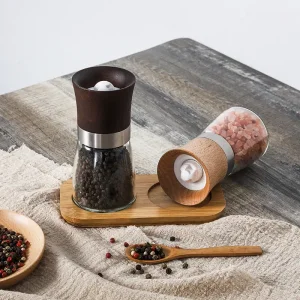
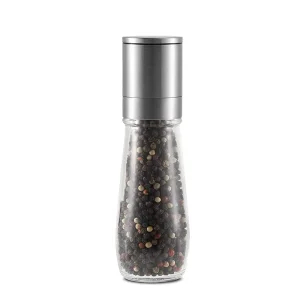
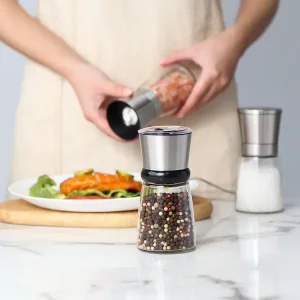
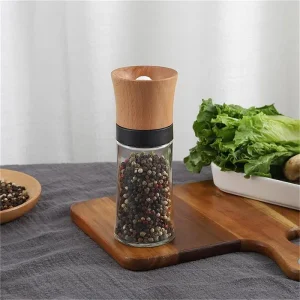
Many conventional pepper grinders feature wide, complex shapes that are difficult to grip or take up too much space. Chinagama's engineering team designed a sleek, straight grinder body that houses a robust, adjustable ceramic grinding core.
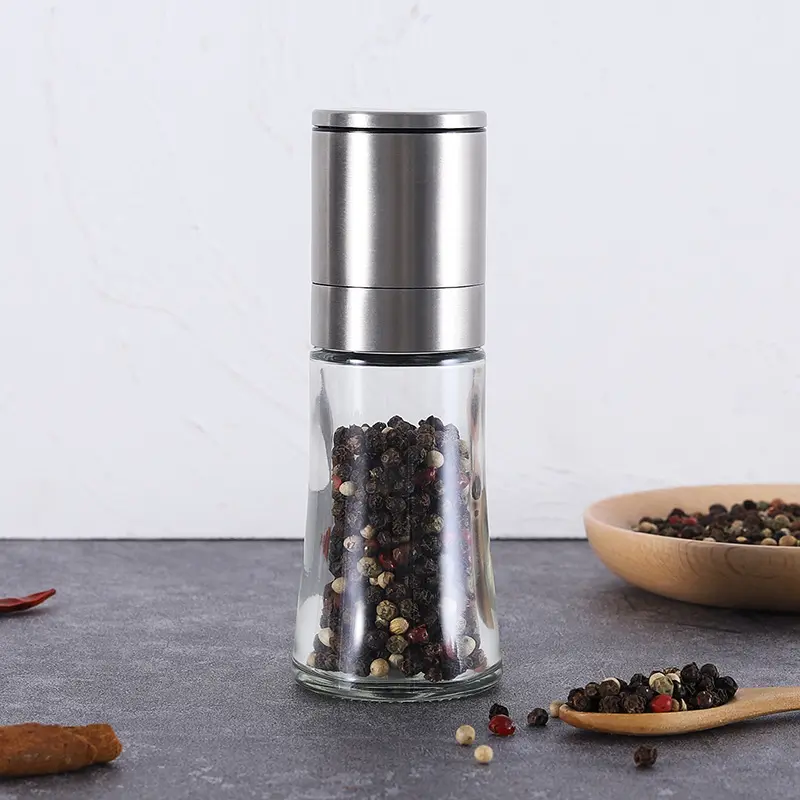
By developing a compact mechanical drive, we created a space-saving profile without reducing spice capacity. This design remains highly popular with minimalist home kitchen brands and modern restaurant groups alike.
6. Global Industrial Realities & Localized Application Scenarios
Understanding how products perform in different regions and environments is vital for international buyers. A kitchen tool must adapt to the specific market it serves:
Commercial Kitchens
Chefs require speed, safety, and durability. In high-tempo restaurant environments, dispensers must withstand frequent cleaning in commercial dishwashers and resist damage from accidental drops, making borosilicate glass and stainless steel housing the preferred choice.
Premium Retail & Home Decor
Residential buyers focus on style and ergonomics. Modern home environments require elegant dispensers that complement modern kitchen designs while maintaining clean countertops through leak-proof gravity lids.
Organic Branding & Packaging
For olive oil estates and organic brands, high-end dispensers act as a value-added package for premium oils. Providing customers with a reusable, branded dispenser helps increase brand loyalty and repeat purchases.
7. Technical Specifications: Traditional vs. Chinagama Smart Dispensers
Evaluating the engineering details highlights the value of choosing high-grade materials and precise manufacturing over generic alternatives:
| Performance Feature | Generic Dispenser Bottles | Chinagama Advanced ODM Dispensers |
|---|---|---|
| Spout Actuation | Manual cap or basic flap lid (frequently jams) | Gravity-induction balance (opens & closes automatically) |
| Flow Rate Consistency | Turbulent pouring with airlock issues | Integrated air-intake path for smooth, controlled pour |
| Drip Prevention | Prone to runs down the side of the bottle | Drip-return lip channel routes oil back into bottle |
| Glass Durability | Common soda-lime glass (brittle, easily cracks) | High-borosilicate glass (resistant to thermal shock) |
| Certifications | Uncertified or self-declared | Independently tested by LFGB, FDA, and SGS |
8. Procurement Intelligence: Frequently Asked Questions
To assist global procurement managers in evaluating their partnership options, we have compiled answers to common sourcing questions:
9. Comprehensive Kitchenware Solutions: Grinders & Essential Tools
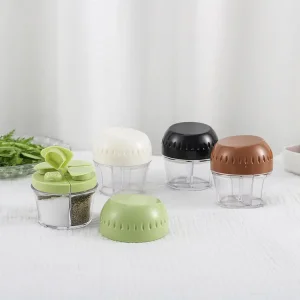
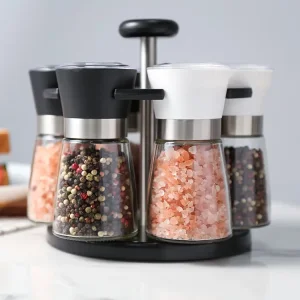
While Chinagama is recognized for its liquid dispensing innovations, we have also built strong engineering expertise in dry spice grinding systems. Our factories manufacture a wide range of kitchen tools, including coffee grinders, vegetable strainers, soap dispensers, and adjustable knife sharpeners.
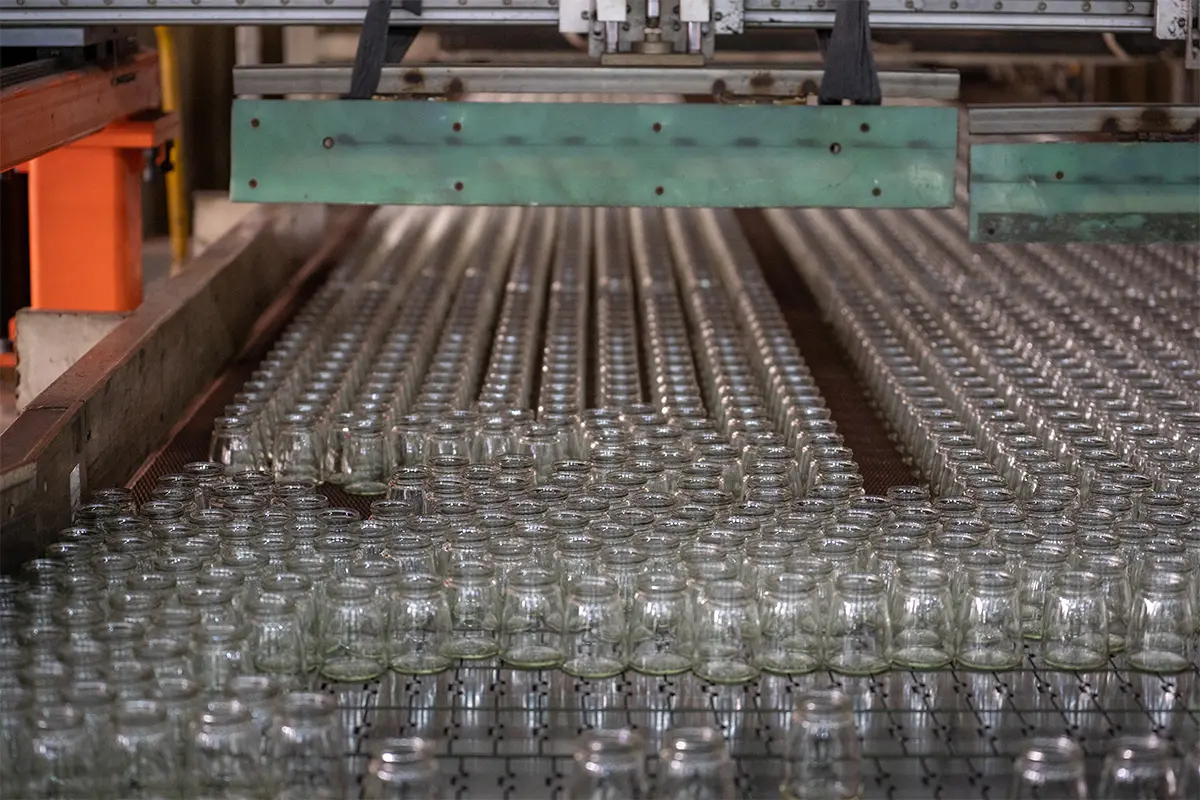
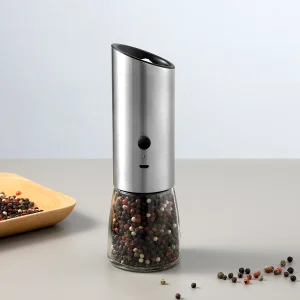
Our design philosophy remains consistent across all product lines: to create kitchenware that functions reliably. By using high-hardness ceramic and stainless steel burrs in our grinders, we ensure uniform results for spice mill brands. Whether a brand requires manual grinders or rechargeable gravity-induction mills, Chinagama delivers the technical solutions needed to succeed.
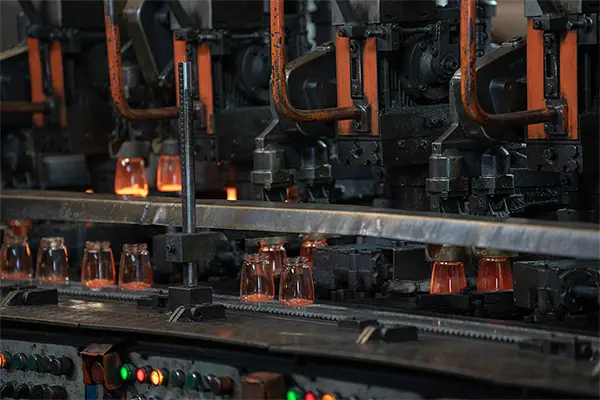
Experienced Assembly Teams
Our assembly operators receive regular training in precision mechanics, ensuring that every product—from adjustable grinders to automatic oil pourers—meets our quality guidelines.
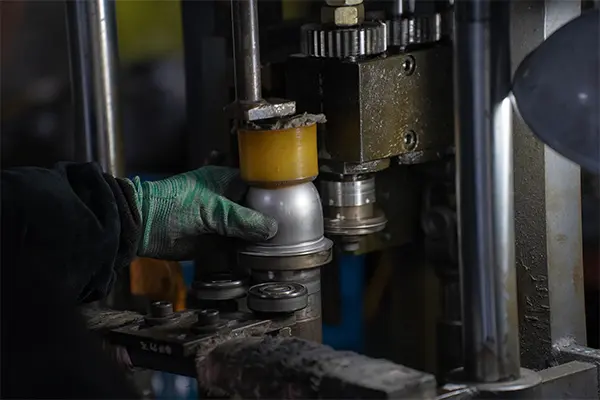
Accurate Alignment Testing
We test our grinding mechanisms for accurate concentricity, which prevents uneven wear on ceramic parts and extends the overall life of the product.
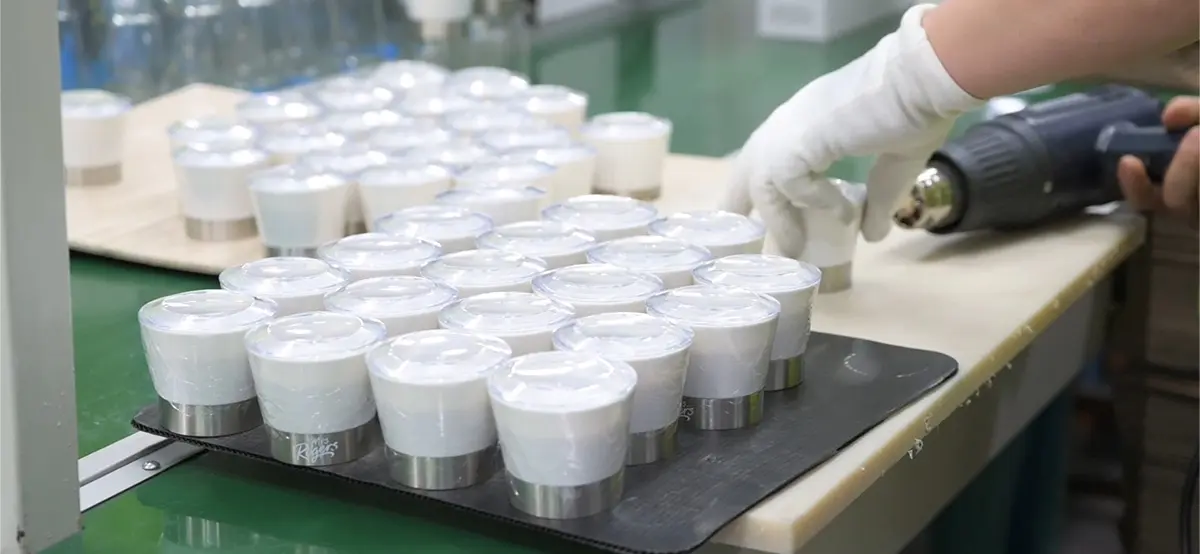
Modern Injection Facilities
Our clean-room molding facilities handle food-grade plastics like PP, ABS, and PCTG, avoiding potential contamination and maintaining high clarity in clear plastic components.

10. Industrial Design Strategy: Transforming Concepts into Market-Ready Products
At Chinagama, our design strategy is built on studying consumer habits and regional preferences. We analyze market trends across Europe, North America, and Asia to help our clients launch relevant, appealing products in their target regions.

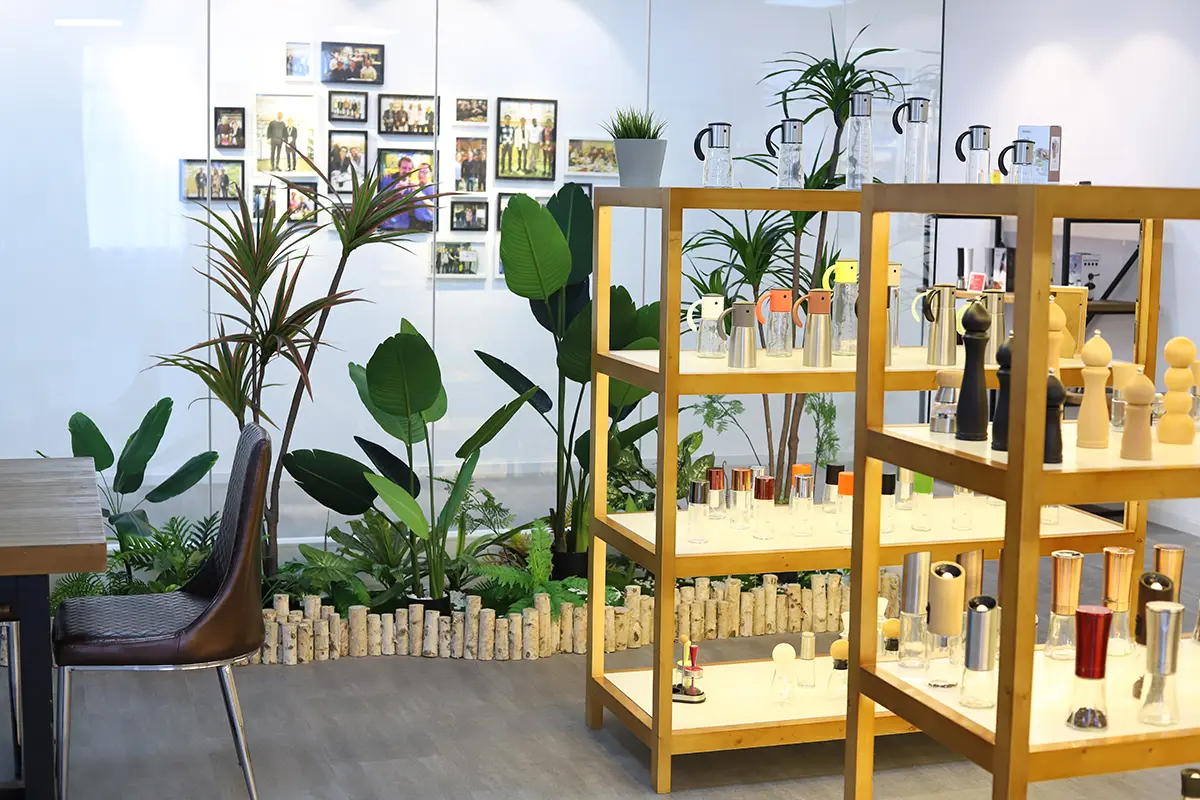
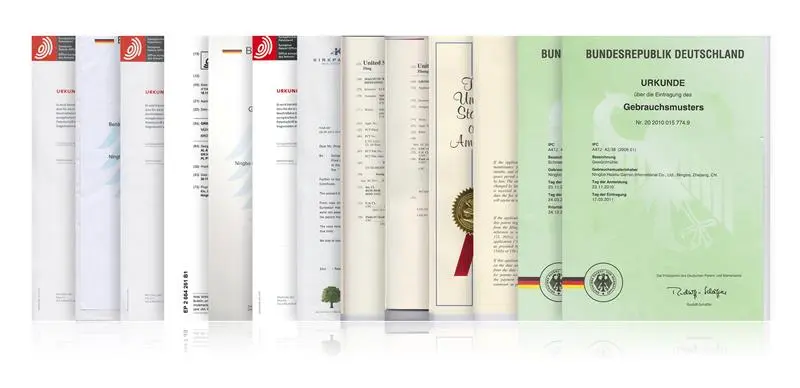
Our engineering team tests prototypes for drop resistance, seal integrity under temperature fluctuations, and long-term durability. We combine functional performance with clean aesthetics, creating kitchenware that performs reliably in day-to-day use.

Through these strict development standards, Chinagama continues to support global brands. By providing reliable manufacturing and shipping logistics, we ensure our clients receive high-quality products, delivered on time.