 Chinagama
Premium Kitchenware & Food Dispensers
Browse through our first curated selection of high-precision manual mills, dispensers, and customization options tailored to global B2B procurement needs.

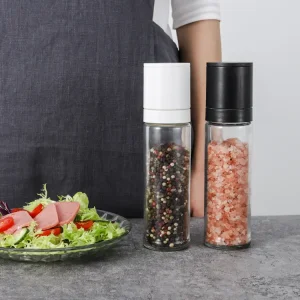
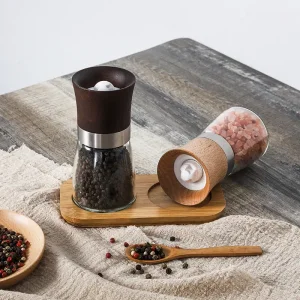
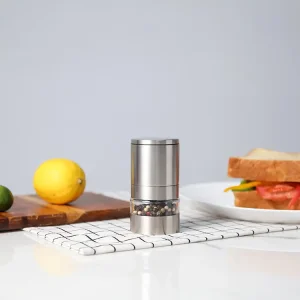
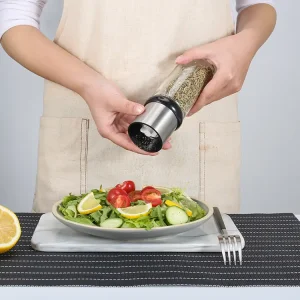
The Evolution of Kitchenware: Why Spray Mechanisms Are Redefining Modern Culinary Operations
Over the last decade, consumer preferences have fundamentally shifted towards healthy lifestyles, portion control, and functional precision in the kitchen. In the retail sector, products like the traditional olive oil bottle are being bypassed for specialized pre-compression kitchenware. The **olive oil spritzer** has transitioned from a niche kitchen utensil into a mainstream household necessity.
Global brands and supply-chain distributors must align with this shift by sourcing products that offer high structural integrity and food-safe chemical profiles. Sourcing directly from top-tier Chinese manufacturing ecosystems gives brands access to highly cost-efficient, advanced plastic molding, high-clearance glass blowing, and automated assembly operations. In this white paper, we explore how leading kitchenware hubs in China are meeting complex design requirements, satisfying rigid certification systems, and pushing the boundaries of mechanical atomization.
Information Gain Trend Alert: The transition from aerosol-based oil containers to non-aerosol, mechanical pump-based spritzers is accelerating due to consumer pushback against propellants (hydrocarbons) and the rising demand for refillable, sustainable kitchenware.

Why China Stands at the Apex of Kitchen Dispenser & Grinder Sourcing
A deep breakdown of the industrial ecosystems, automated quality systems, and raw material integration structures that power China's top kitchenware manufacturers.
Advanced Plastic & Material Metallurgy
Chinese factories located in manufacturing clusters like Ningbo and Wenzhou possess localized access to raw plastic suppliers (PP, RPET, PMMA) and advanced food-grade glass operations. Sourcing raw materials within a 50-mile radius drastically minimizes logistics overhead and safeguards stability during volatile supply-chain disruptions.
Advanced CAD Integration & Prototyping
Top ODM manufacturers employ rapid 3D printing and precision mold manufacturing techniques. By designing complex internal valves and nozzle geometries in CAD systems, factories can transition from an aesthetic blueprint to a functional sample in under 15 days, minimizing launch times for global brands.
Cost-to-Volume Efficiency Scale
By leveraging automated conveyor systems and computer-vision quality checks, China's export factories achieve massive volume scaling. With millions of units manufactured annually, B2B buyers benefit from tiered pricing that cannot be replicated in domestic production facilities.
Welcome to Chinagama: Pioneer of Culinary Innovations
Established in 1997, Chinagama has spent nearly three decades cultivating its reputation as a leading manufacturer of premium salt and pepper grinders, manual and electric coffee mills, oil/vinegar dispensers, and kitchen spritzers. Our vision has remained consistent: to act as the preferred supplier of premium kitchen tools for mid-to-high-end brands globally, setting the industry benchmark for design, structural durability, and ergonomics.
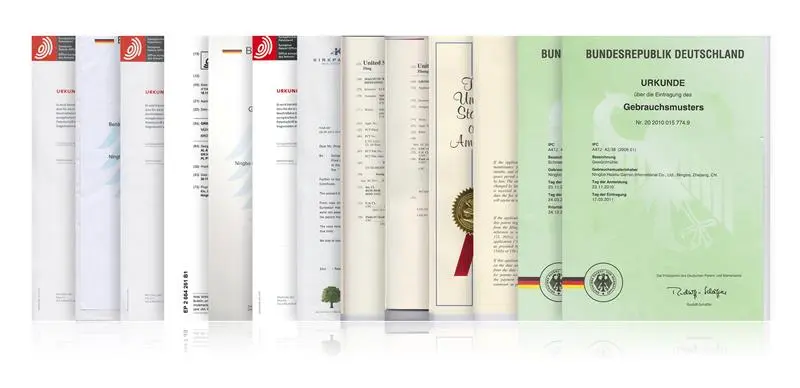
Operating a standardized food-grade production plant, Chinagama integrates design, R&D, structural engineering, and automated testing under one roof. Our R&D team continuously redefines what is possible in dispenser ergonomics. Because of this dedication to excellence, our products have been recognized with the prestigious Red Dot Award and the iF Design Award, alongside securing over 300 patents worldwide.
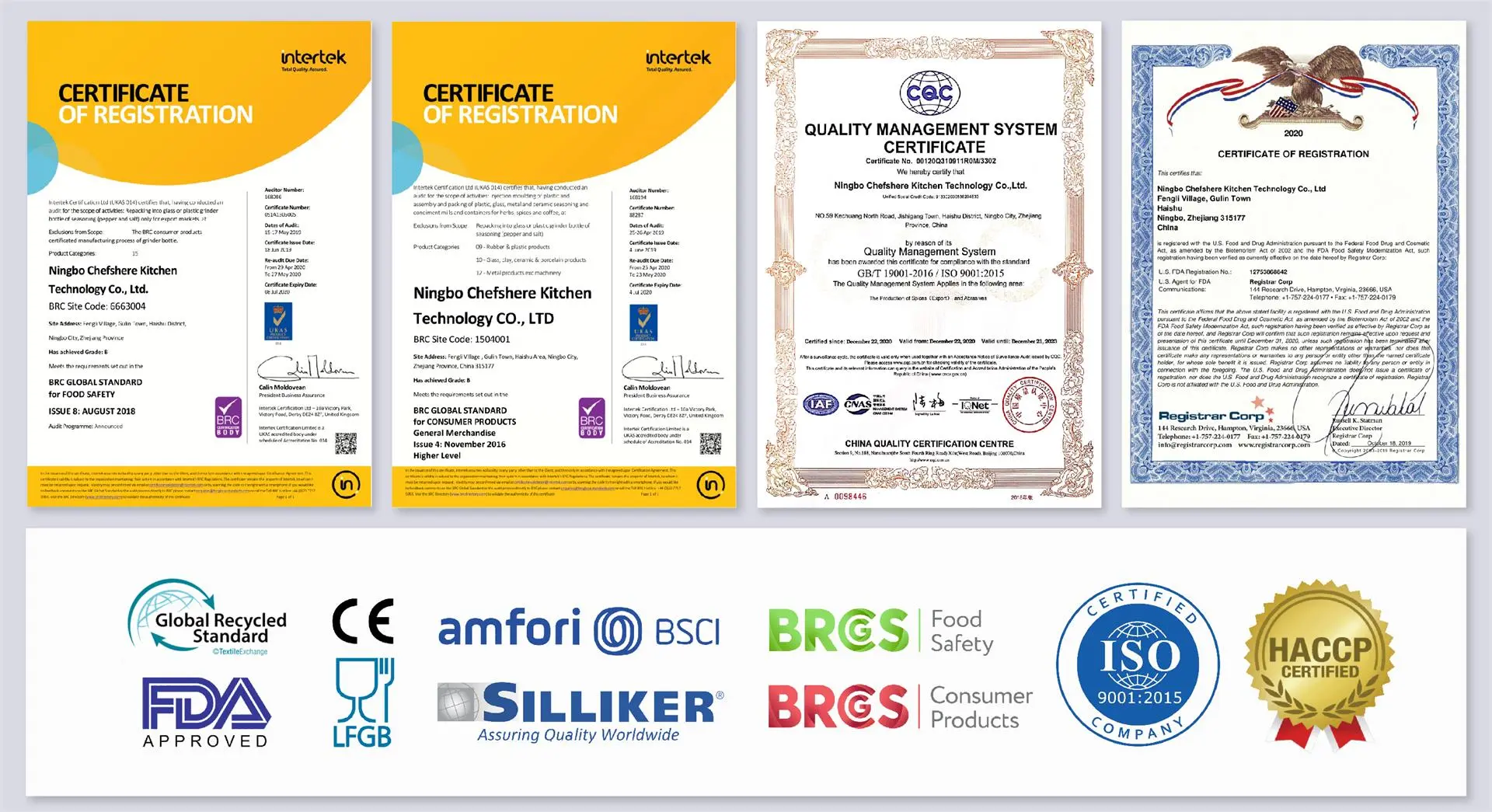
Certification & Material Trust: Chinagama maintains strict alignment with international safety standards. All product lines undergo rigorous testing and are fully certified by global bodies, matching both LFGB and FDA food-grade safety standards.
Engineering Excellence: Real-World Technical Case Studies
Discover how Chinagama's engineering division resolves complex material limitations and design issues to manufacture long-lasting, high-performing kitchenware.
Project 1: The Red Dot-Winning Bird Spout Oil Dispenser
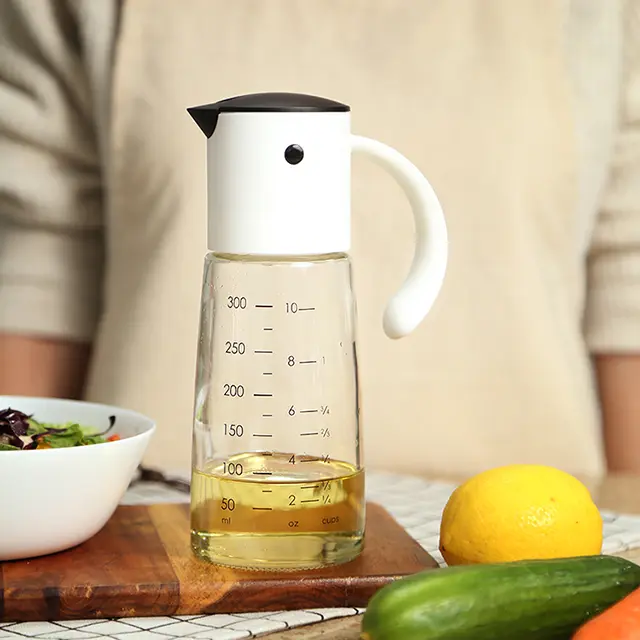
Market research pointed to growing consumer demand for a gravity-fed dispenser that allowed clean, single-handed operation. Chinagama engineered a custom gravity valve inside a bird-shaped spout structure. This layout allows the bottle to automatically open when tilted and seal hermetically when placed upright. The product completely eliminates messy oil drips, which won it a Red Dot Design Award and established it as a staple design in high-end culinary catalogs.
Project 2: Overcoming Stress Cracking in Oil Mist Sprayers
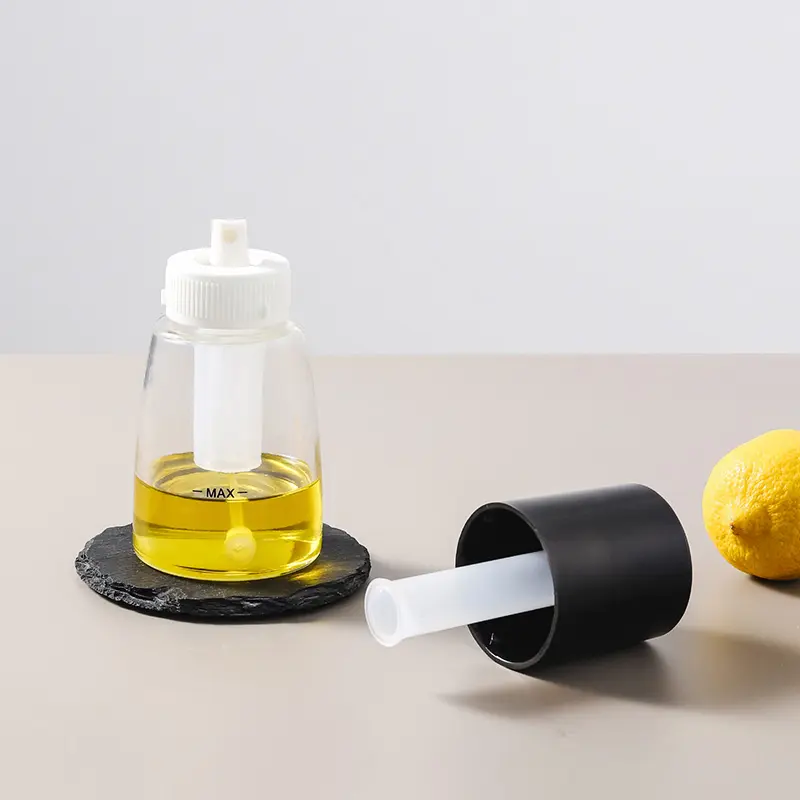
Collaborating with a major kitchenware brand, our engineering team ran into structural challenges when prototype spray heads cracked under continuous use. Lab tests showed that ABS and PMMA plastics undergo stress cracking when exposed to lipids (vegetable oils) under high mechanical tension. To resolve this safety concern, our material specialists transitioned the inner structural core to a high-grade PP (Polypropylene). This material modification completely eliminated cracks while maintaining food safety standards.
Project 3: Redesigning Modern Pepper & Salt Grinder Ergonomics
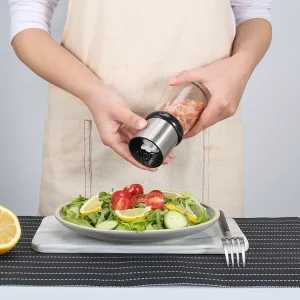
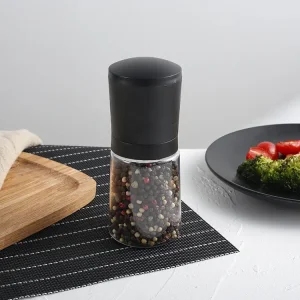
Historically, manual grinders relied on heavy outer shells or complicated internal parts that wore out quickly. Chinagama resolved these design flaws by patenting a small, straight-bodied grinder mechanism that uses adjustable ceramic burrs. Ceramic cores avoid rust and maintain sharp grinding surfaces, which makes them highly durable. The streamlined design drastically reduced weight while keeping the look clean and modern.
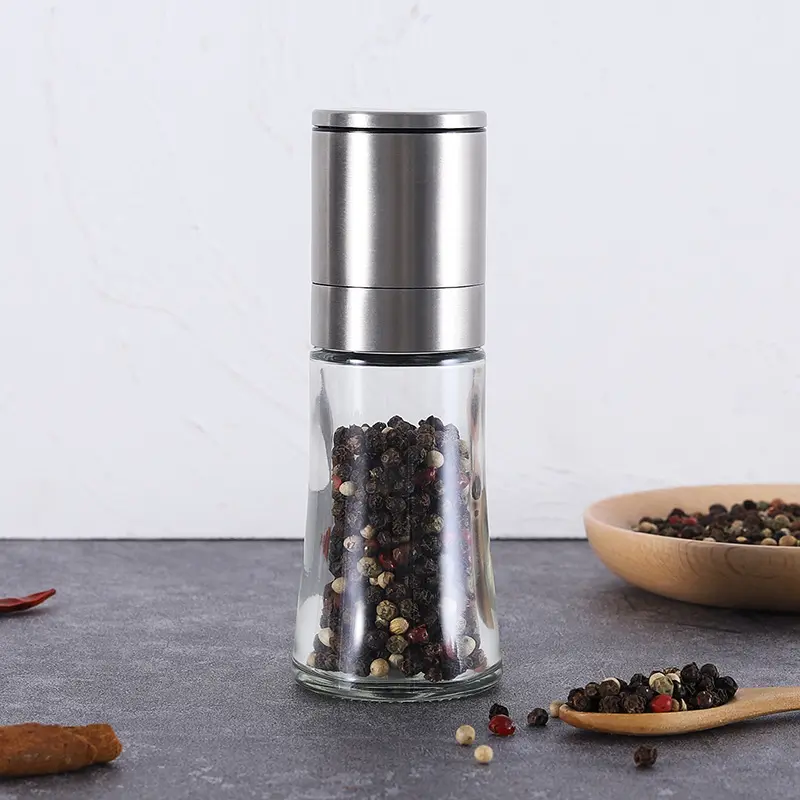
Core Products & ODM Customization Offerings
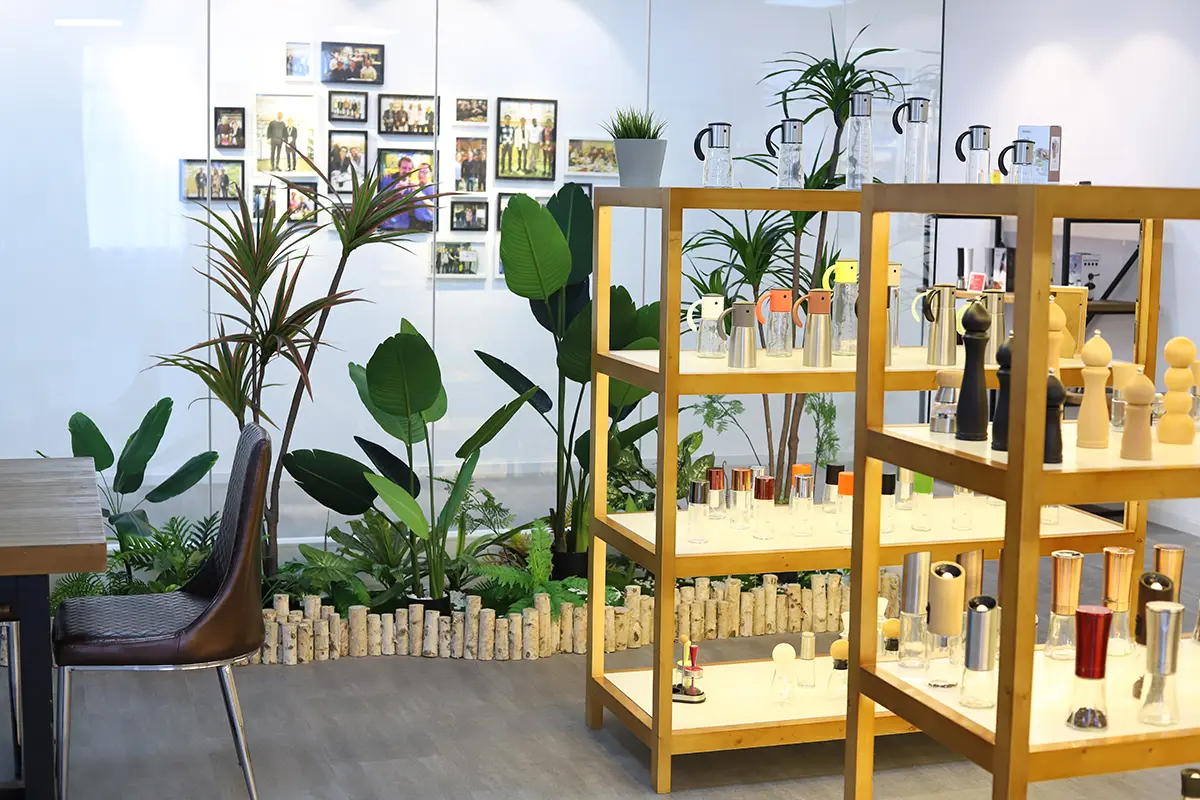
Explore the core product categories customized by Chinagama for global brands looking to expand their catalogs.
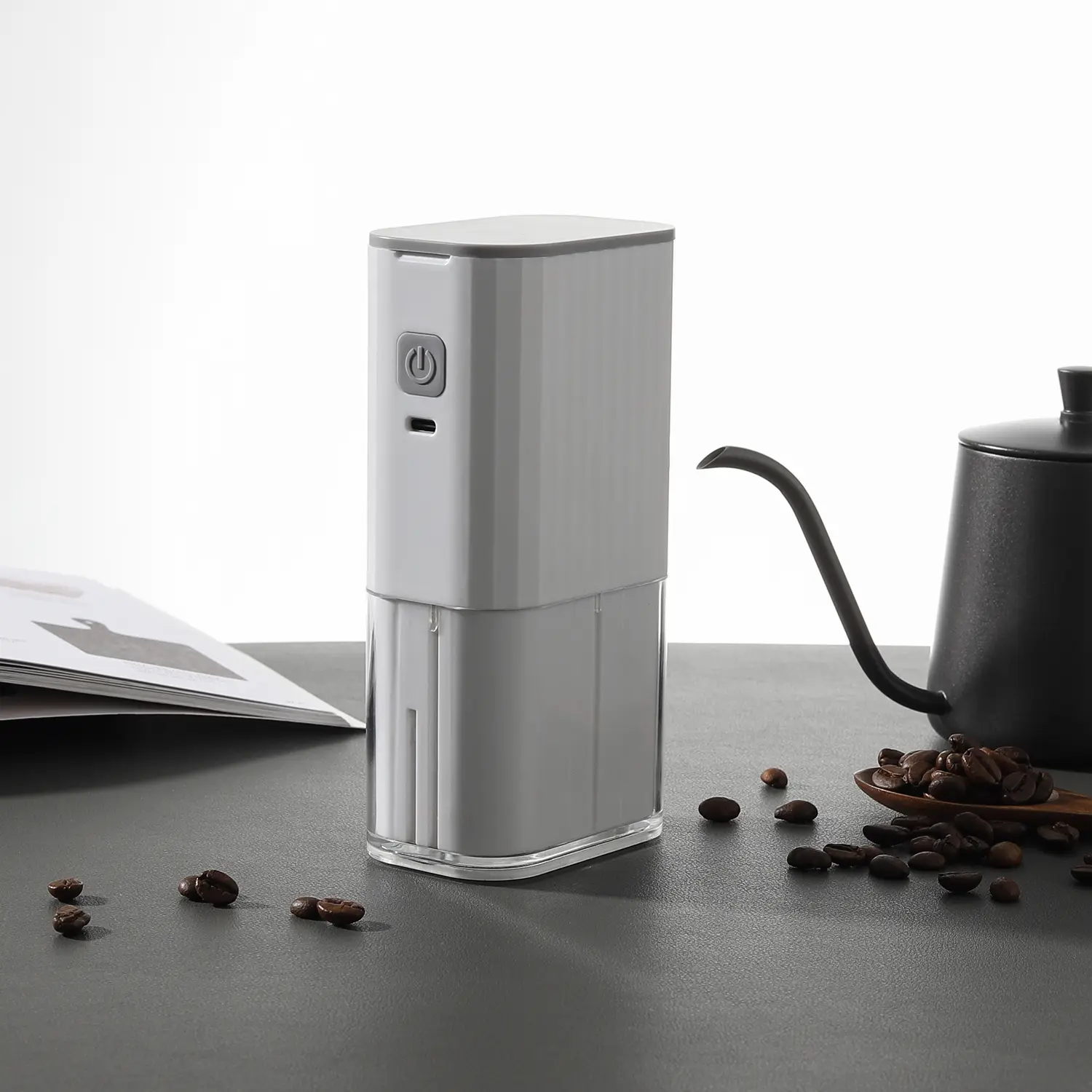
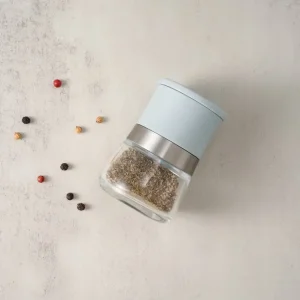
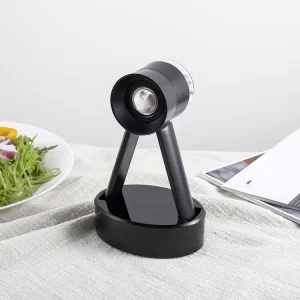
Portable size, smooth and quiet grinding, rechargeable motor for travel and home use.
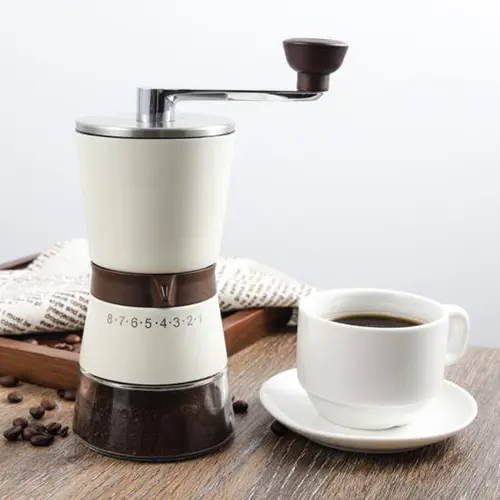
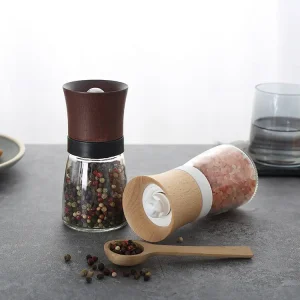
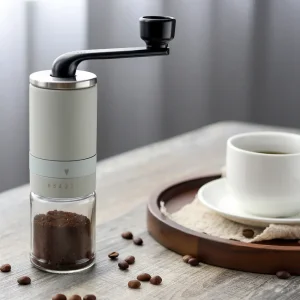
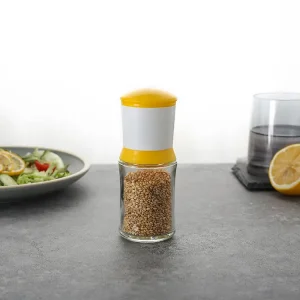
External adjustment design, comfortable grip, effortless grinding with high-torque gears.
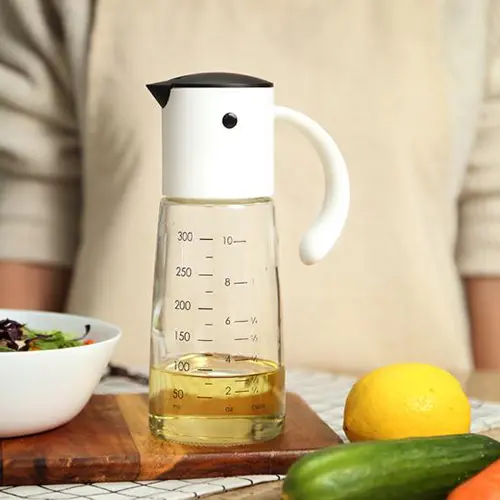
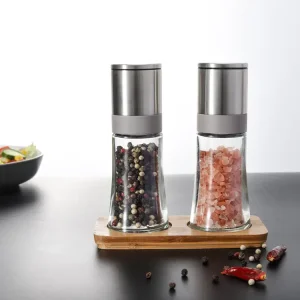
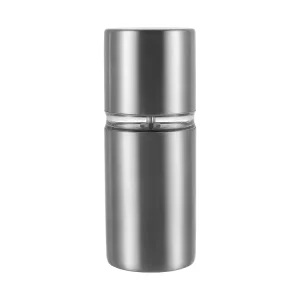
Precisely controls flow, zero leakage, elegant glass body with premium metallic components.
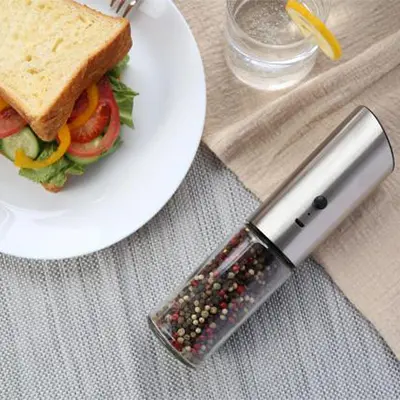
Electric automatic grinding, convenient tilt-to-activate gravity sensor design.
State-of-the-Art Production Facility & Skilled Craftsmanship
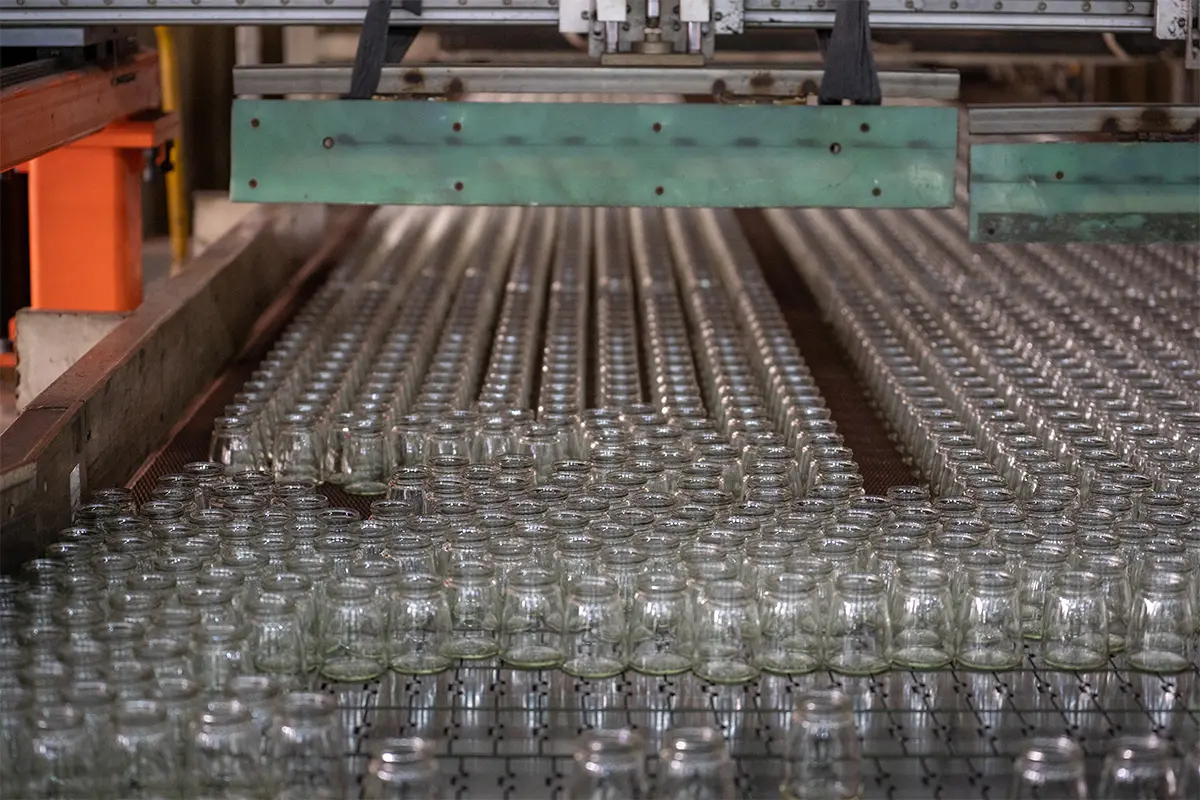
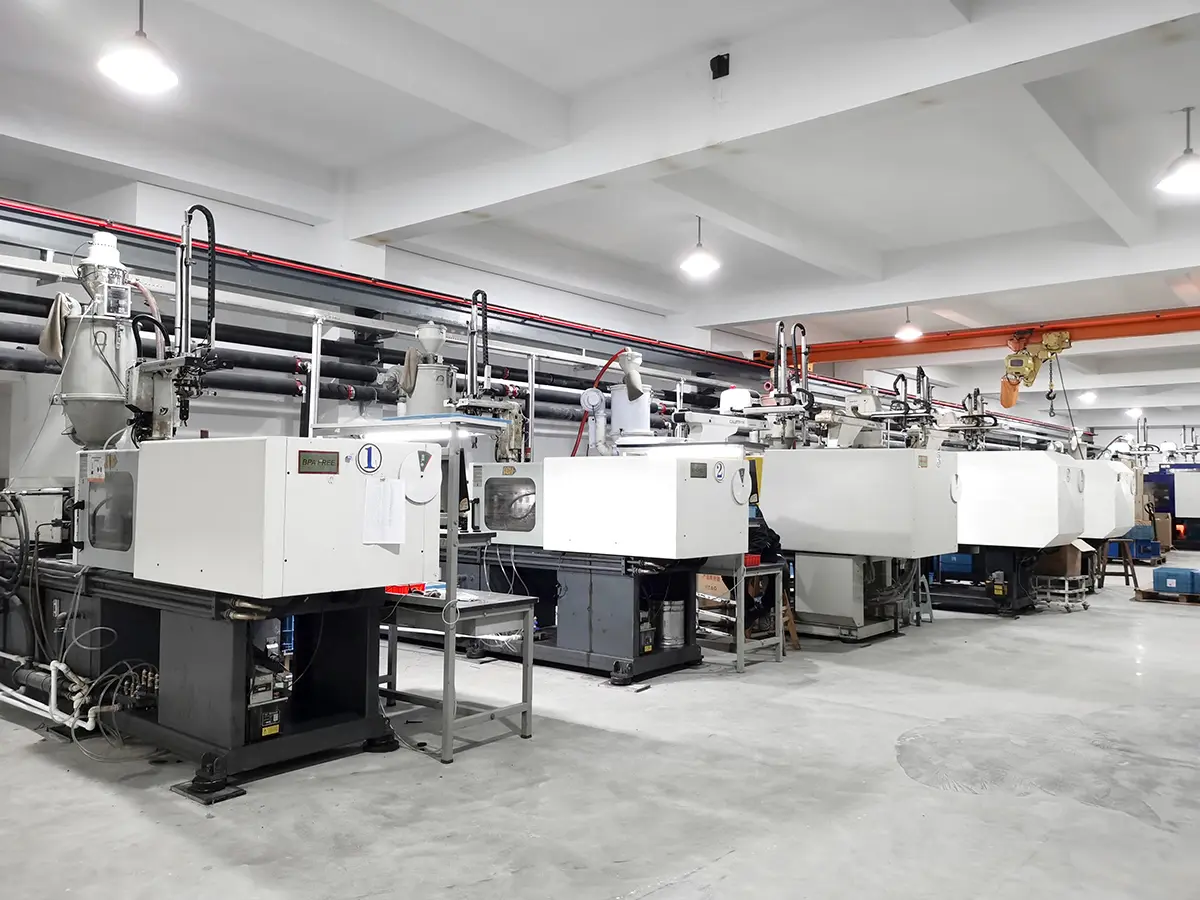
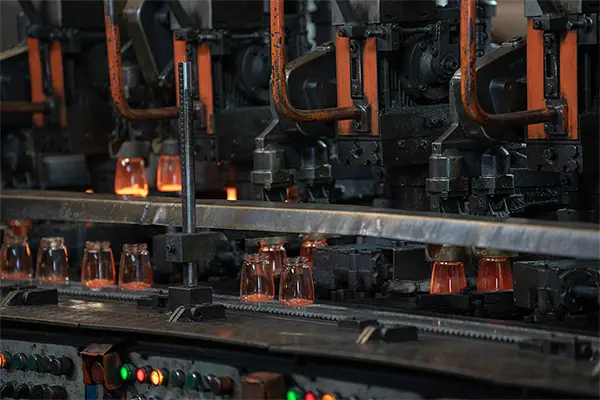
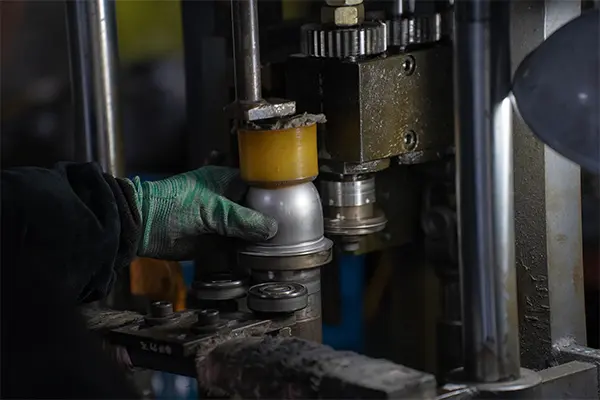
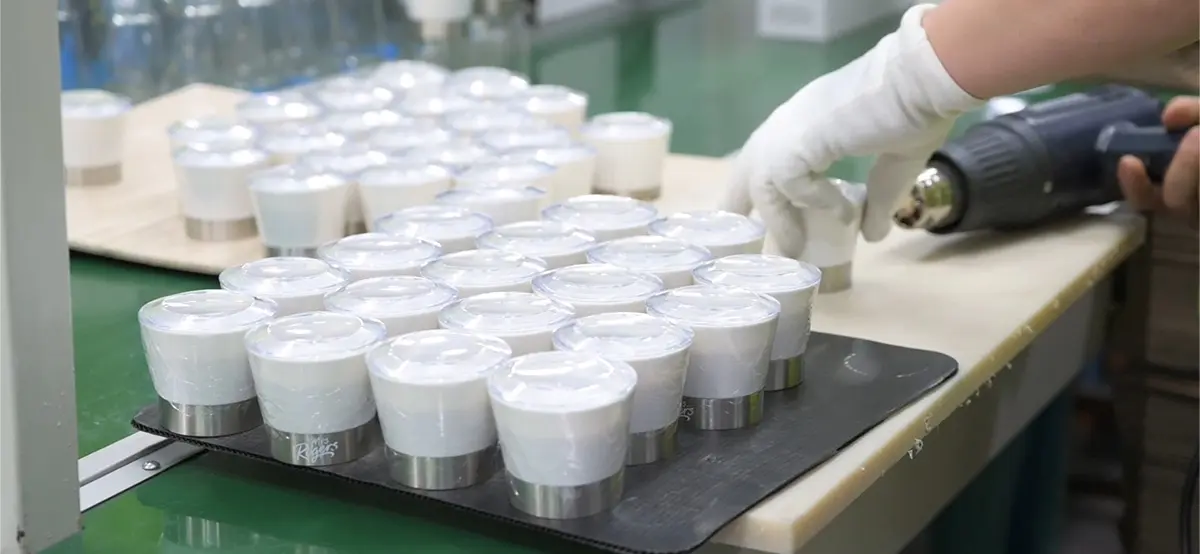
High-volume manufacturing requires strict consistency. Our facility combines precise automation with detailed manual assembly. The injection molding division uses robotic arms to eject components at consistent temperatures, which prevents internal stresses and guarantees long-term durability.
Our line staff undergo regular training on food safety assembly standards and clean-room handling. Operating under strict ISO 9001 guidelines, every step—from structural mold development to the final retail packaging—is tracked for quality control, guaranteeing that every export batch matches pre-production samples.



Pioneering R&D: From Initial Sketch to Scaled Production
Our dedicated engineering department uses advanced CAD models and 3D printing prototypes to evaluate functional issues like leverage ratios, atomization angles, and mechanical wear before building steel production molds. By running these simulated tests, we avoid common design errors and save our global clients significant time and money during product development.
Our testing labs subject every new model to rigorous tests, including structural drop tests, heat resistance checks, dishwasher exposure cycles, and continuous spray life trials. This detailed attention to detail is why top-tier distributors trust our kitchenware designs to hold up in high-volume retail markets.
The B2B Buyer's Sourcing Strategy for Olive Oil Spritzers
Key technical specifications, regulatory considerations, and material metrics that procurement managers must evaluate when selecting a supplier.
1. Material Chemical Stability
Olive oil contains free fatty acids that can break down lower-quality polymers. Sourcing managers must specify high-density Polypropylene (PP) or Borosilicate glass for the product's container. Acrylics and standard PMMA parts should be avoided, as they are prone to structural cracking under long-term contact with plant lipids.
2. Precision Spray Consistency
A high-quality kitchen spritzer must consistently deliver a fine, uniform mist rather than a concentrated stream. This requires a balanced pre-compression pump valve that stays pressurized at approximately 3 bar. Standardizing this pressure rating prevents sputtering and delivers a consistent volume with every spray.
3. Global Testing Compliance
For smooth import customs clearance, products must pass localized food-contact requirements. European orders must comply with LFGB regulations, while North American shipments require FDA food-grade certification. Reliable manufacturers must provide verified reports from third-party inspectors like SGS, TÜV, or Intertek.
Expert Sourcing Tip: When evaluating factory capabilities, request a detailed mold lifecycle report. High-volume orders require premium steel molds (such as H13 or S136) to prevent product warping and keep manufacturing dimensions exact across multi-million unit production runs.
Strategic Sourcing FAQ: Olive Oil Spritzer Procurement
Direct, technical answers to the most common questions asked by B2B buyers, category managers, and retail distributors.
More Customized Kitchenware Solutions
Examine our remaining selection of manual mills, wood-encased grinders, rechargeable spice sets, and bulk kitchenware.