 Chinagama
Premium Kitchenware & Dispenser Series
Explore our elite collection of engineered grinders, oil spritzers, and culinary dispensers built to international compliance specifications.
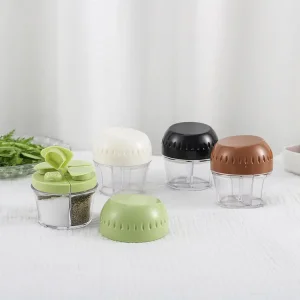
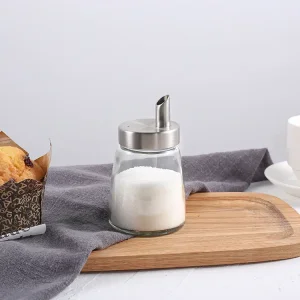
Custom 4-Compartment Spice Shaker with Independent Dispensing Lids
View Product Details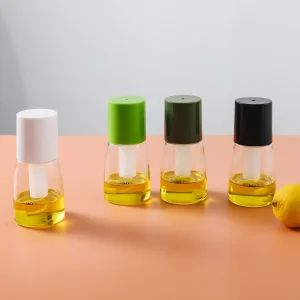
Best Olive Oil Mist Sprayer Bottle for Cooking Manufacturers, Pricelist
View Product Details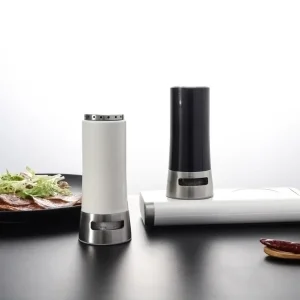
ODM Customized Magic Salt & Pepper Shakers Set with Magnetic Base
View Product Details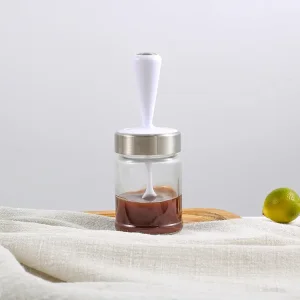
Wholesale Glass Jam Jars With Lids
View Product Details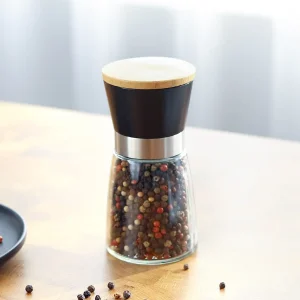
Custom Personalized Salt and Pepper Mills with Ceramic Grinder Exporter
View Product Details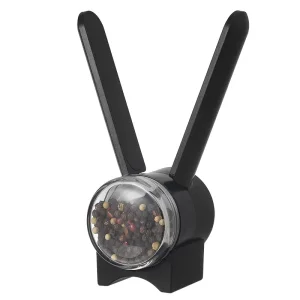
ODM Customized Spice Grinder by Hand
View Product Details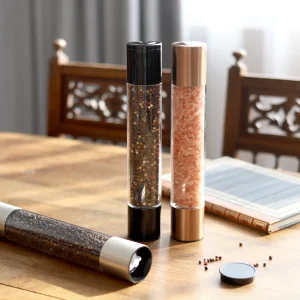
Custom 18/8 Stainless Steel Giant Salt And Pepper Mills
View Product Details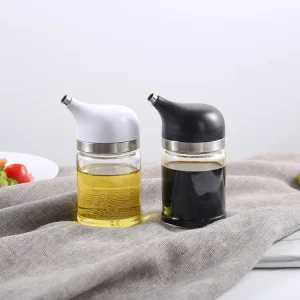
High-Quality Customized Glass Oil and Vinegar Dispenser
View Product Details1. Global B2B Sourcing Paradigm for Metal Spice Mills
An analysis of material specs, wear resistance, and engineering compliance in modern industrial procurement.
Metallurgical Integrity & Safety
In the B2B landscape, particularly across Europe and North America, food-contact safety compliance dominates product engineering. Purchasing teams look closely at the materials used in metal mills. Selecting high-grade 18/8 Stainless Steel (SUS304) or corrosion-resistant anodized aluminum is crucial for preventing metal fatigue, chemical leaching, and oxidation from moisture and salt compounds.
Ceramic vs. Carbon Steel Burrs
The choice of grinding core directly affects grind performance. Alumina ceramic mechanisms excel in milling salt crystals and herbs without rusting. Meanwhile, hardened carbon steel burrs provide high-torque cutting actions ideal for dense black peppercorns. We help global brands optimize their product positioning by matching these materials to their target markets.
Total Cost of Ownership
B2B procurement goes beyond simple unit price. Key factors include wear-out cycles, defect ratios, and custom branding compatibility. Chinagama works closely with sourcing professionals to offer transparent pricing plans. Our approach balances initial tooling costs with long-term mass manufacturing efficiencies, keeping overall costs predictable.
Chinagama at a Glance
Over two decades of designing, patenting, and manufacturing kitchenware for premium global brands.

Welcome to Chinagama
Established in 1997, Chinagama has grown from a trading company into a leading developer and manufacturer of high-quality kitchen tools. We specialize in salt and pepper grinders, manual and USB coffee mills, oil and vinegar dispensers, and customized kitchenware.
Over the last two decades, our research and development team has driven our progress. By focusing on practical design and material quality, our products have earned prestigious international recognitions, including the Red Dot Design Award and the iF Design Award. We operate with a clear vision: to design and build durable, highly functional kitchen tools that elevate the user experience.

Quality Commitment & Values
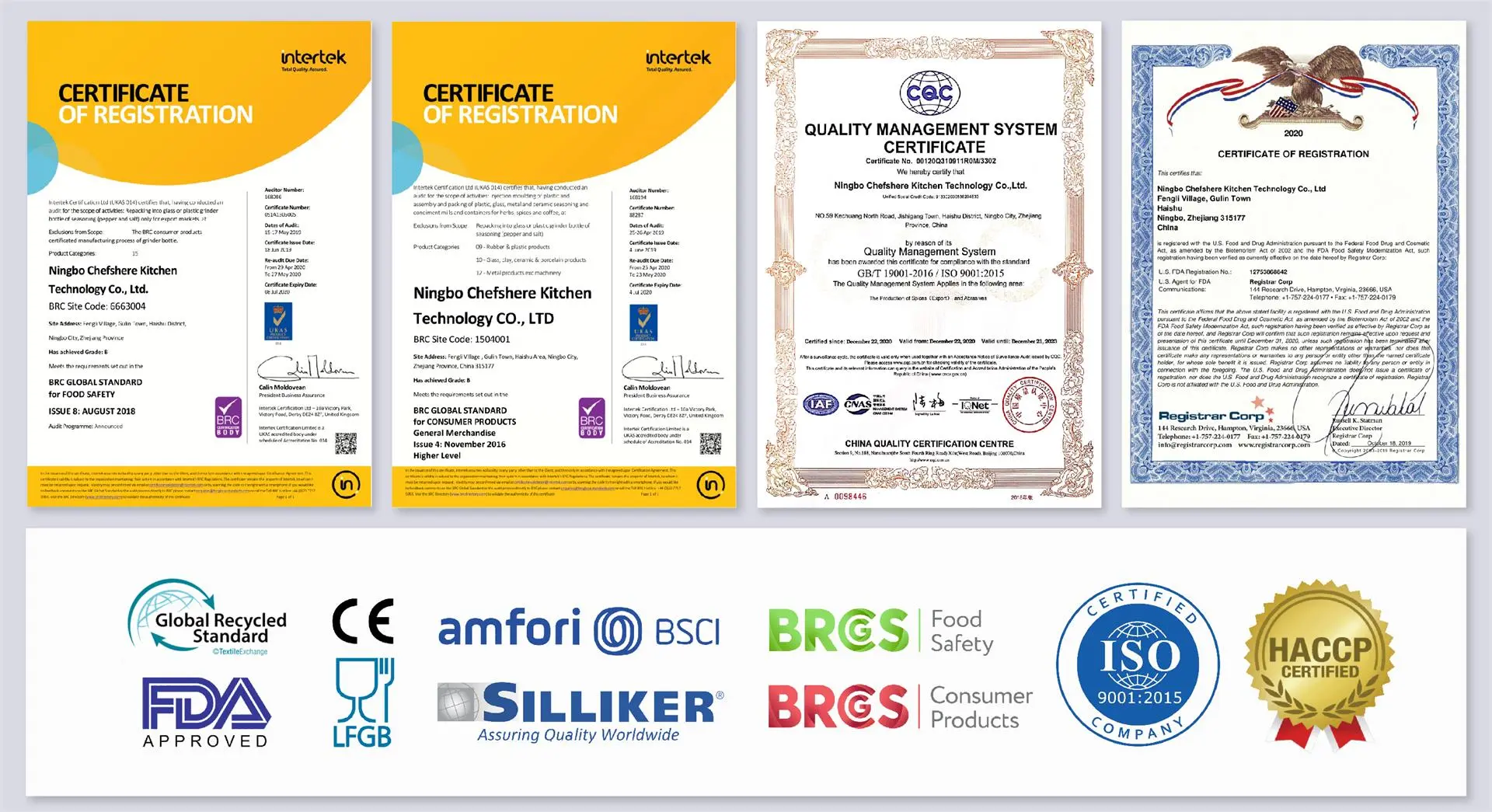
Our manufacturing operations are built around strict quality control. From initial design to production, every batch is checked to ensure it meets strict food safety regulations, backed by LFGB and FDA certifications.
We run a standardized, food-grade manufacturing facility. This enables us to maintain design consistency and material safety for all products. Our core values focus on:
• Precision & Focus: Continuously refining grinding mechanism designs.
• Active Innovation: Using customer feedback to improve product utility.
• Sustainability: Using eco-friendly, recyclable materials whenever possible.
Our Journey of Culinary Innovation
Key milestones in Chinagama's development and expansion into international markets.
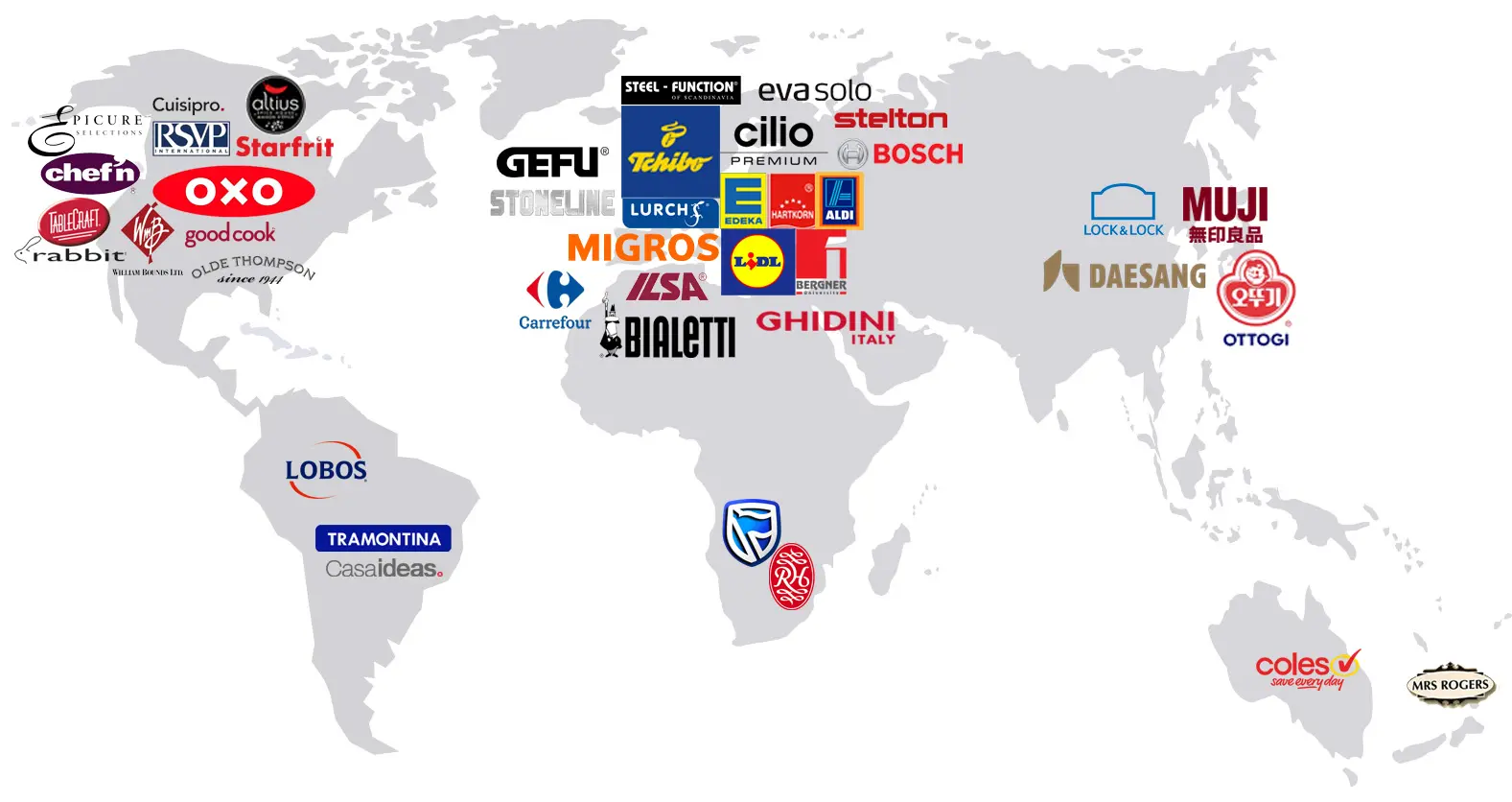
Started operations as a trading firm. In 2001, we adopted online trading channels, expanding our business reach internationally.
Shifted from trading to direct manufacturing. In 2012, we built a modern, food-grade factory to directly manage product quality and scale.
Recognized as a High-Tech Enterprise. Earned multiple Red Dot and iF Design Awards for our original product developments.
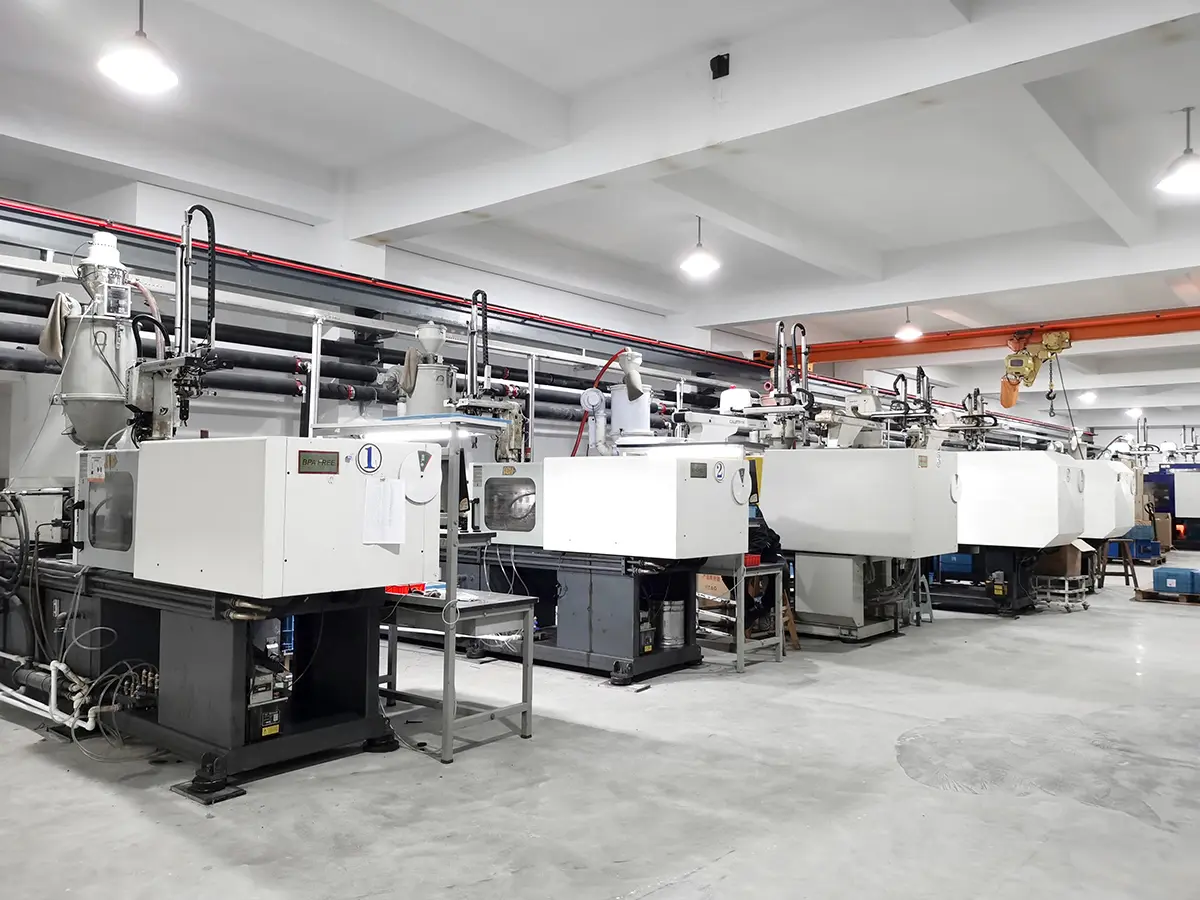
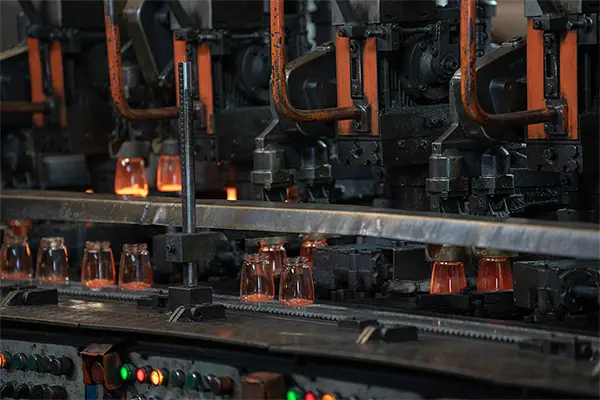
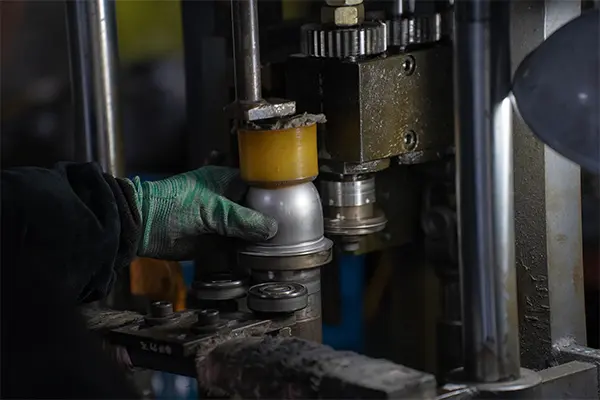
Advanced Production Facility & Machinery
Using automated assembly systems, precise injection molding, and testing laboratories to maintain reliable manufacturing.
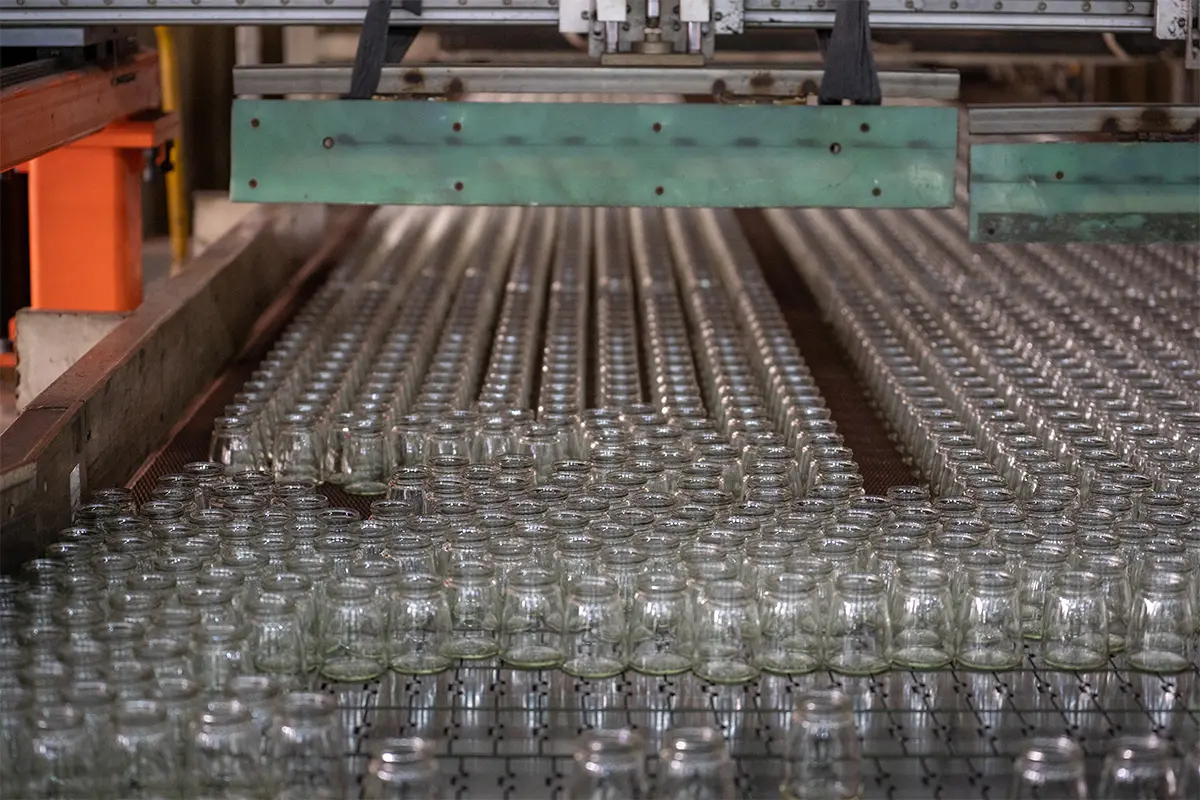
High-Precision Injection Lines
Automated Assembly Lines
Dedicated QA Laboratory
Efficient Warehousing
Our automated logistics facilities manage raw materials and finished goods, helping us meet delivery schedules and track shipments reliably.
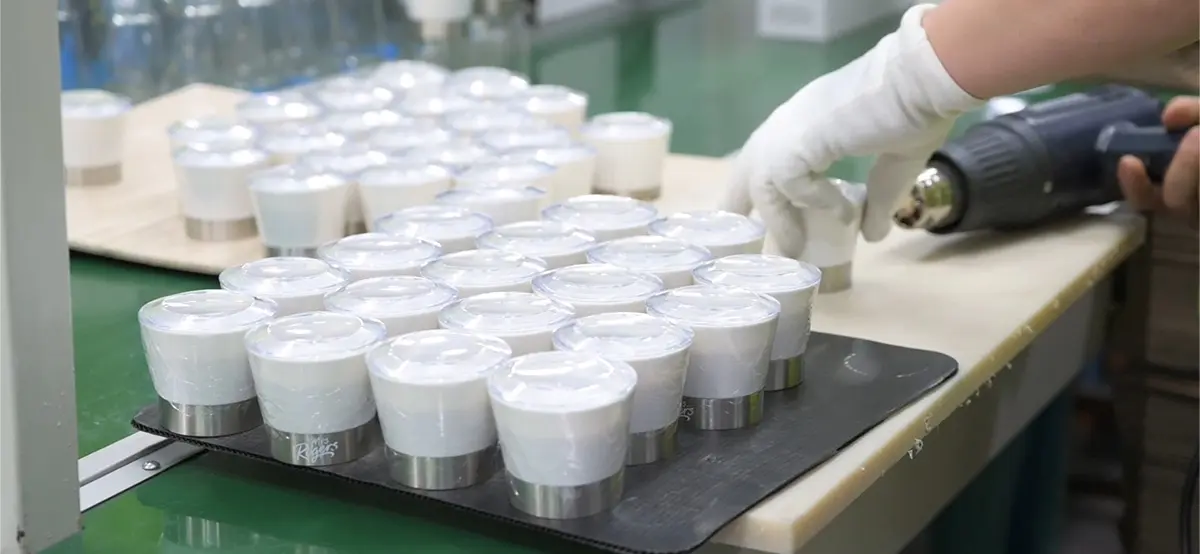
Torque & Lifetime Analysis
We perform stress tests on every batch of ceramic and steel grinders to verify longevity and grind consistency over time.
Engineering Case Studies & Technical Breakthroughs
Detailed examples of how we solve design and material challenges for our B2B partners.
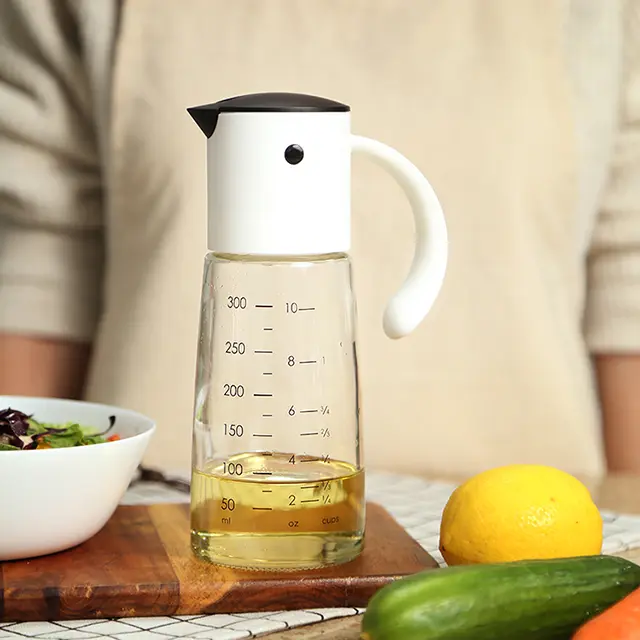
Gravity-Fed Bird Spout Oil Dispenser
Consumer research highlighted a demand for clean, one-handed oil dispensing. To address this, Chinagama designed a gravity-activated lid mechanism that opens automatically when tilted and seals shut when upright. This design protects the contents from dust and prevents messy drips, earning a Red Dot Design Award for functional kitchen innovation.
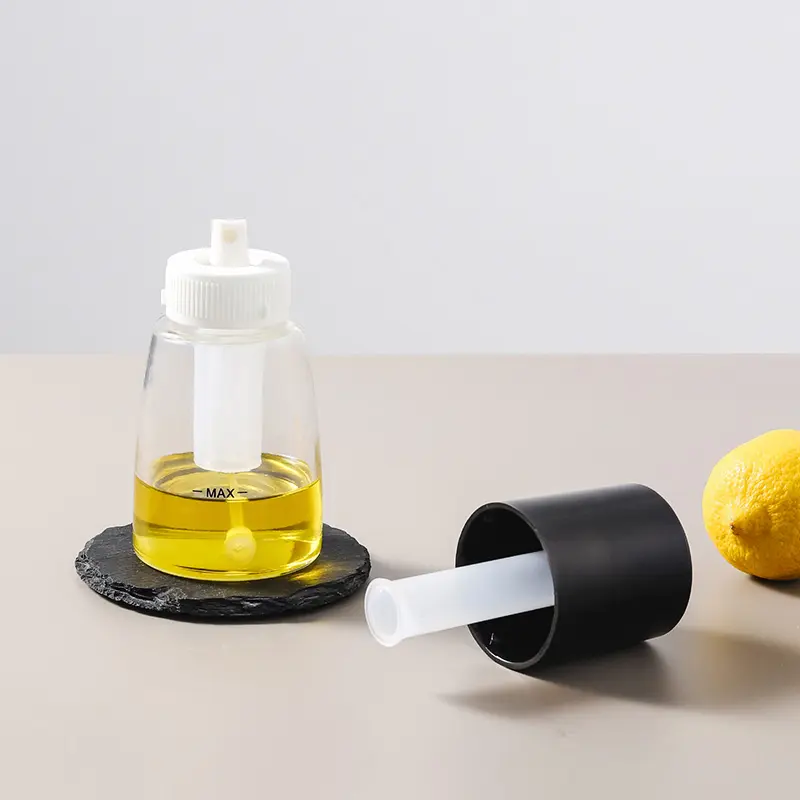
Developing the Precision Oil Mist Sprayer
In early testing of our oil sprayer, we found that standard plastics like ABS and PMMA can develop micro-cracks and stress-fracture when exposed to vegetable oils. Our engineering team addressed this by switching to chemical-resistant, food-grade Polypropylene (PP). This material change solved the structural issues, ensuring product durability and food safety.
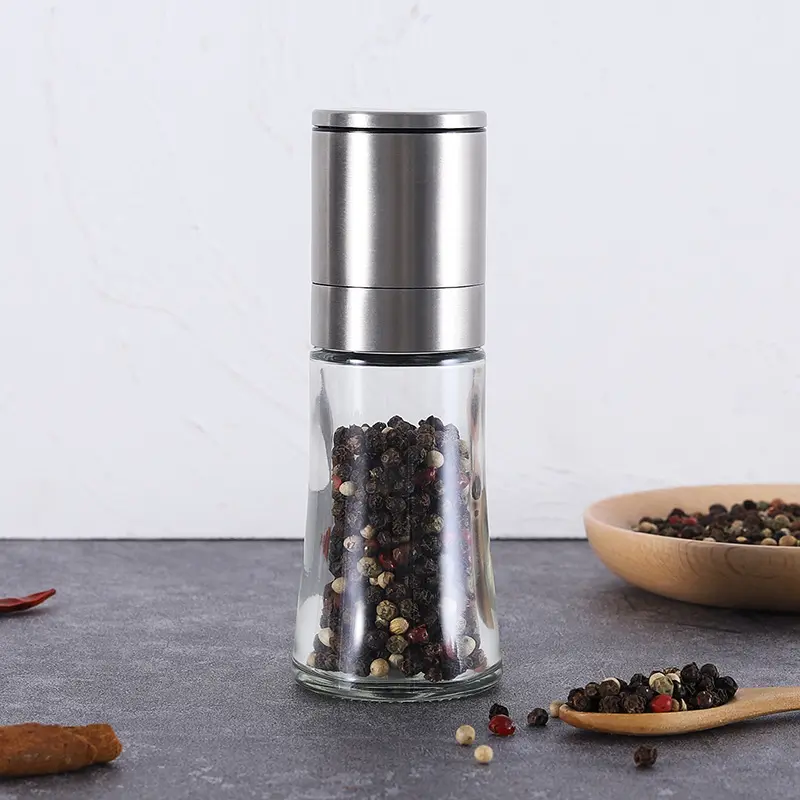
Ergonomic Adjustments for Spice Mills
Many manual grinders on the market feature overly complicated adjustments or heavy designs that are difficult to grip. We developed a series of straight-profile mills with customized ceramic cores. By simplifying the adjustment dial and balancing the body weight, we improved the ergonomics, making the grinder easier to hold and operate.
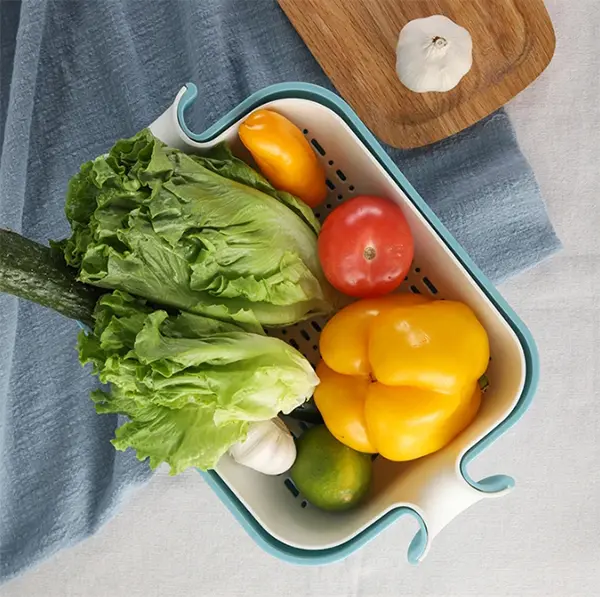
Broadening Kitchenware R&D Capabilities
Beyond spice mills, we design and produce a variety of kitchen tools, including soap dispensers, coffee grinders, and storage containers. Our research team studies consumer preferences across different regions. This helps us ensure that our designs align with current styling trends and function reliably in diverse markets.
2. Technical Roadmap: The Future of Grinding Mechanics
How Chinagama integrates automation, smart technology, and sustainable materials into its production line.
Smart Kitchen Integrations
We are expanding our electronic grinding product lines by developing electric spice and coffee grinders with rechargeable, integrated lithium-ion batteries. These units feature USB-C charging and automated torque sensors that stop the motor when the container is empty, protecting the grinding burrs.
Precision Cores & Geometry
Our R&D laboratory is designing refined grinding patterns for ceramic and stainless steel burrs. Adjusting the tooth angles helps maximize grind consistency, which is essential for uniform oil extraction in coffee and spice preparation.
Recycled & Plant-Based Polymers
As global environmental standards tighten, we are testing bioplastics and post-consumer recycled (PCR) resins. These materials allow us to manufacture durable grinders while helping our corporate partners meet their sustainability goals.
Strategic Vision
"To serve as a trusted supplier of premium kitchen grinding tools for mid-to-high-end brands globally, establishing reliable benchmarks for build quality, design, and performance."

Corporate Mission
"We aim to help our clients succeed by providing competitive grinding solutions and responsive customization services. Using our manufacturing experience, we help brands grow and build stable, long-term partnerships."
3. Global Supply Chain Logistics & Regulatory Compliance
Managing B2B sourcing challenges, compliance documentation, and shipping operations.
Regulatory Certifications
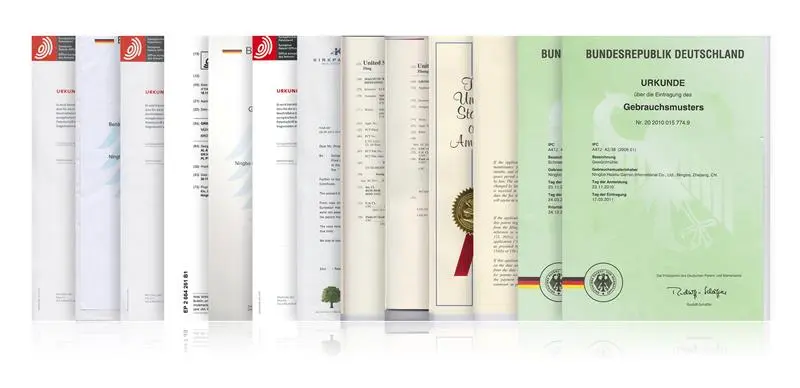
Every shipment leaving our factory is backed by raw-material trace records and compliance testing from recognized independent agencies, ensuring products comply with LFGB, FDA, and EU regulations.
Tariff & Trade Management
We assist our clients with tariff classification, customs documentation, and origin certification. This support helps streamline clearance and import operations across different global markets.
Supply Chain Risk Management
We maintain partnerships with shipping carriers and logistics networks. This helps us buffer against freight changes, optimize container space, and deliver goods on schedule.
Dedicated R&D for Custom Projects
Developing a successful kitchenware product requires thorough testing. We offer structural prototyping, thermal analysis, and cycle testing to check designs before tooling starts. Whether adapting a dispenser nozzle or refining a hand-crank coffee mill, our engineering team provides support through every phase of development.


Expert Procurement FAQ
Answering common questions about custom orders, material choices, pricing, and OEM/ODM processes.
What is the typical lead time for custom OEM/ODM spice mill orders?
Our standard production lead time is 35 to 45 days after deposit confirmation and sample approval. For brand new custom toolings (ODM projects), structural design and mold fabrication usually require an additional 30 to 45 days before mass manufacturing begins.
How does Chinagama ensure compliance with FDA and LFGB regulations?
We source food-contact materials with certified origin tracing. Regular material inspections and lab tests are conducted by third-party agencies such as SGS and TÜV. This guarantees that all stainless steel, glass, ceramic, and plastics used in our products are free from harmful heavy metals and BPA.
Can we customize the grinding cores for specific spices?
Yes. We offer different grinding mechanisms depending on the application. We recommend high-grade alumina ceramic burrs for salt, while hardened carbon steel or stainless steel burrs are ideal for coffee and peppercorns, helping prevent premature wear.
What minimum order quantities (MOQs) apply for personalized orders?
Generally, the MOQ for standard customization (logo laser-marking or custom packaging inserts) is 1,000 units. For full OEM color runs or structural modifications, MOQs typically range from 2,000 to 3,000 units depending on the product family.
Commercial Kitchenware & Grind Tools Selection
Additional commercial products built to meet standard distribution and retail specifications.
China Bulk Sale Kitchen Herb Grinder Set Companies, Quotes
View Product Details
ODM Electric Milk Frother Wand
View Product Details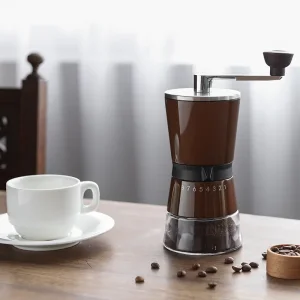
ODM 8-Level Adjustable Handheld Coffee Grinder
View Product Details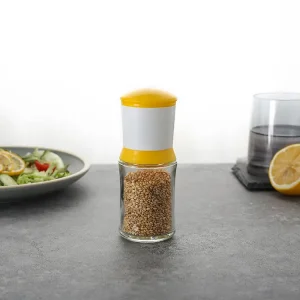
Best ODM Customized Adjustable Sesame Seed Grinder
View Product Details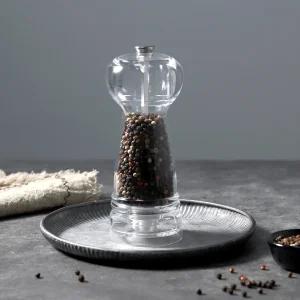
Custom Customized Classic Acrylic Salt and Pepper Grinders
View Product Details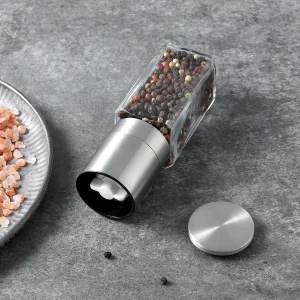
OEM 18/8 Stainless Steel Adjustable Pepper Grinder
View Product Details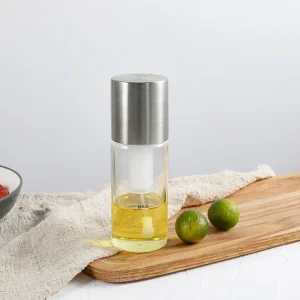
China Bulk Sale Cooking Oil Spray Bottle Service, Quotes
View Product Details