 Chinagama
Premium Culinary Mills & Shakers
Explore our elite collection of engineered salt, pepper, and spice dispensing systems designed for global market performance.
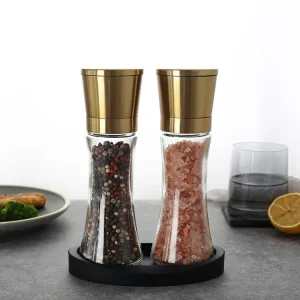
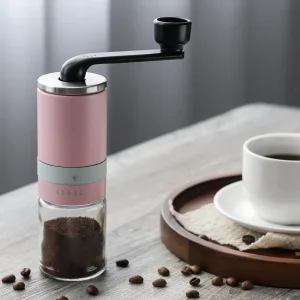
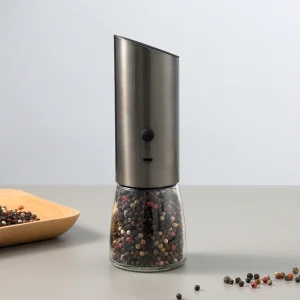
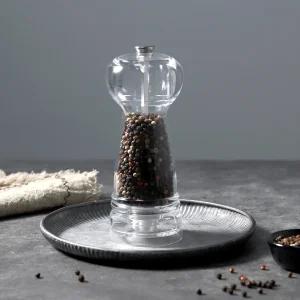
Culinary Precision: Engineering Glass Spice Grinder Hardware
In the global B2B kitchenware supply chain, the demand for premium glass spice grinders has moved far beyond simple retail aesthetics. Modern consumers, distribution networks, and industrial food packagers demand structural integrity, ergonomic efficiency, and strict food safety compliance. As a premier manufacturer established in 1997, Chinagama sits at the forefront of this manufacturing transition, combining advanced material sciences, automated assembly lines, and human-centric design pipelines.
Custom OEM & ODM Engineering
We translate conceptual drafts into market-ready retail products. Our complete design ecosystem encompasses custom tooling, molding, component optimization, and packaging solutions tailored to mid-to-high-end brands.
Rigorous Quality Validation
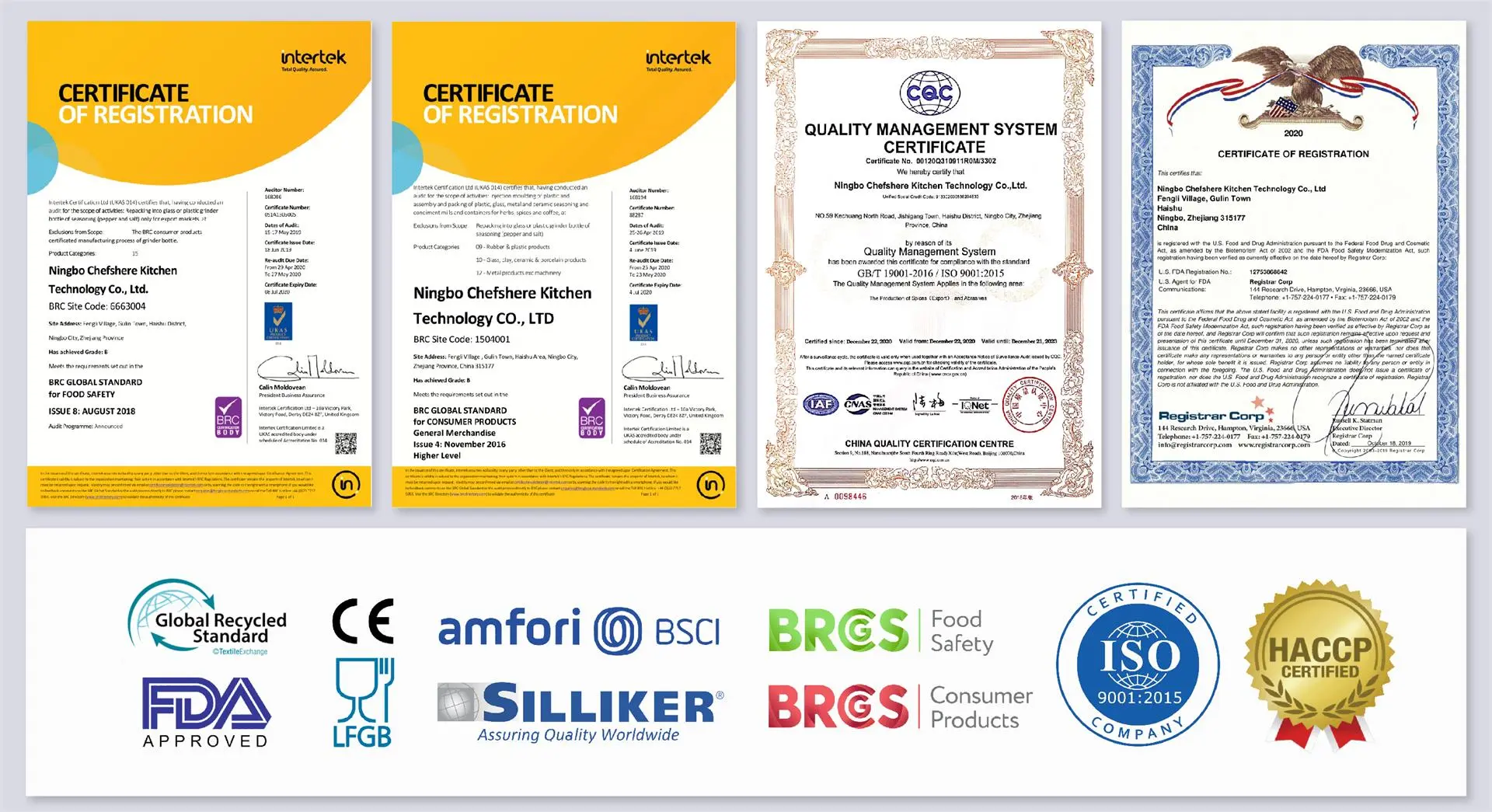
Each production run complies with worldwide health standards. Supported by standard in-house testing labs, our raw and finished products achieve certifications including LFGB, FDA, and EU food-grade standards.
Award-Winning Performance
Our catalog demonstrates aesthetic and functional excellence, winning the German Red Dot Design Award and iF Design Award. We balance ergonomics with manufacturing scalability to create high-performance designs.
Global B2B Market Dynamics & Procurement Trends
The demand for premium kitchen grinding tools has grown significantly due to changing culinary standards, the popularity of specialty salts, and the rise of organic, whole-seed spices. B2B buyers—including kitchenware brands, private labels, hospitality chains, and industrial spice packers—increasingly seek suppliers capable of providing both manufacturing capacity and product innovation.
Traditional plastic mills are facing pressure due to environmental regulations and health concerns around microplastics. High-borosilicate and soda-lime glass containers are now the preferred materials for premium packaging. Glass preserves flavor purity, protects essential oils from degrading, and offers an appealing presentation on store shelves and dining tables.
For volume importers, key challenges include component consistency, ceramic burr wear resistance, and cap sealing. Chinagama addresses these technical requirements by integrating advanced material engineering and structural design to ensure long-term, reliable performance.

Material Engineering & Ceramic Burr Technology
Understanding the technical specifications that differentiate our kitchenware products in durability and performance.
High-Density Alumina Ceramic Grinding Cores
The performance of a spice mill depends heavily on its grinding core. While carbon steel or stainless steel burrs are suitable for coffee, they are prone to corrosion when exposed to salt crystals. Chinagama utilizes high-density alumina ceramic burrs, fired at temperatures above 1,600°C.
Ceramic cores are chemically inert and will not rust, oxidize, or transfer metallic odors to spices. They feature excellent wear resistance, maintaining sharp cutting edge geometry over thousands of cycles. This ensures a consistent grind, from coarse sea salt to fine pepper.
Thermal Shock Resistant & Lead-Free Glass
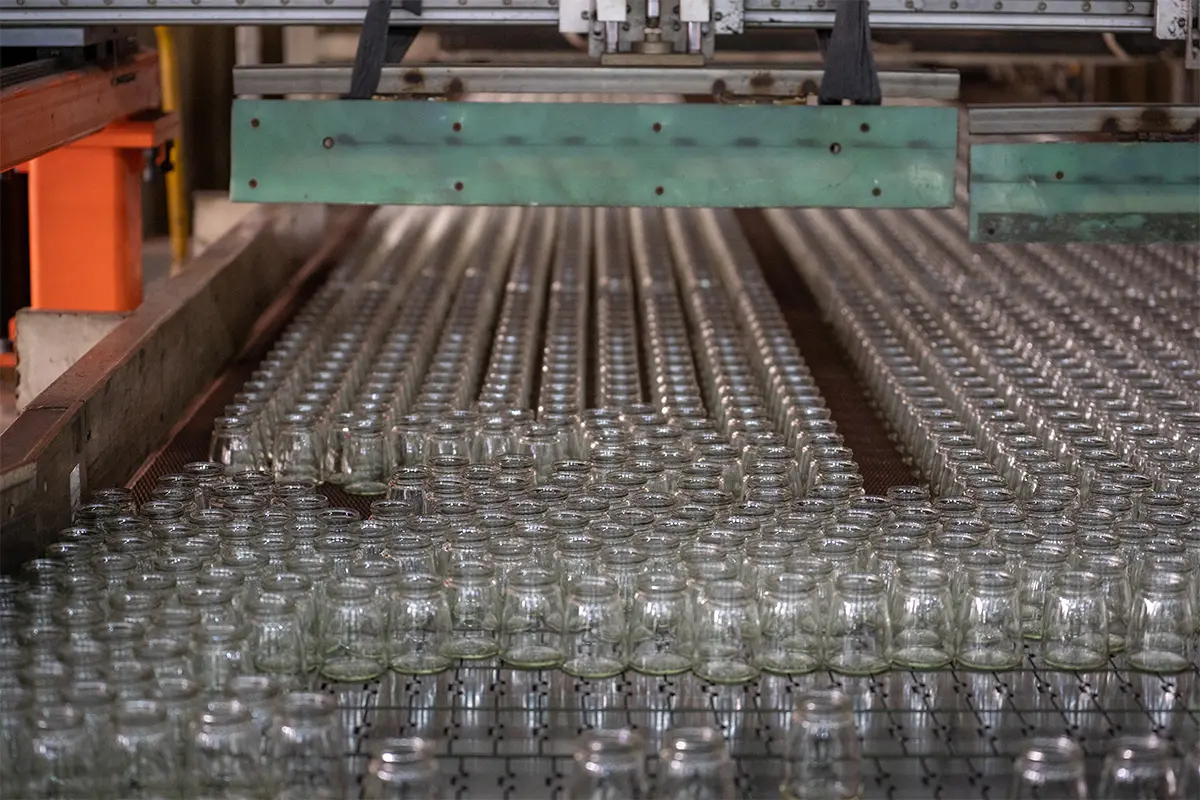
Our glass jars are made from high-strength soda-lime glass or premium borosilicate glass, formulated to withstand mechanical impacts and thermal variations. Every batch undergoes strict polarized light stress testing to eliminate micro-fractures, ensuring safety and durability throughout the shipping, filling, and consumer handling process.
Corporate Milestones & Innovation Timeline
A look at Chinagama's development from a regional trading firm into an industry-leading manufacturer.
1997
The Foundation: Established as a trading enterprise focused on kitchenware and household tools, building relationships across regional manufacturing clusters.
2003
Production Pivot: Transitioned from trading to direct manufacturing. Established dedicated casting and assembly shops to control quality and delivery times.
2012
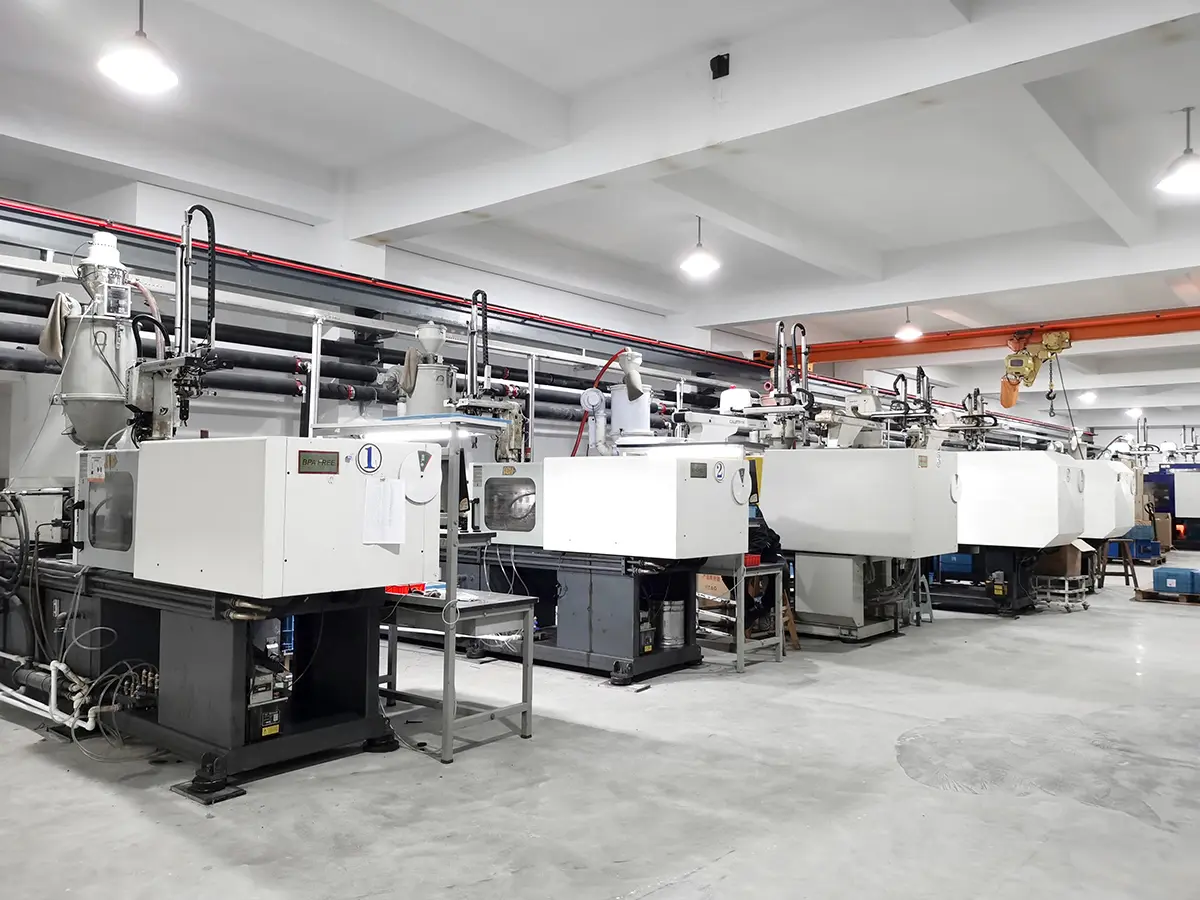
Food-Grade Standardization: Built a modern manufacturing facility equipped with cleanrooms, automated injection molding, and testing laboratories.
2015 - Present
Design Innovation & IP: Certified as a National High-Tech Enterprise, securing over 300 patents and earning Red Dot and iF Design Awards.
China Supply Chain Resilience & Efficiency
How our manufacturing infrastructure helps mitigate global logistics risks and maintain cost-efficiency.
Chinagama's production facilities leverage Ningbo's industrial cluster, providing direct access to raw materials, injection molding resources, precision metal fabrication, and advanced glass manufacturing. This geographical proximity reduces transit times for sub-components and lowers carbon footprint and material handling costs.
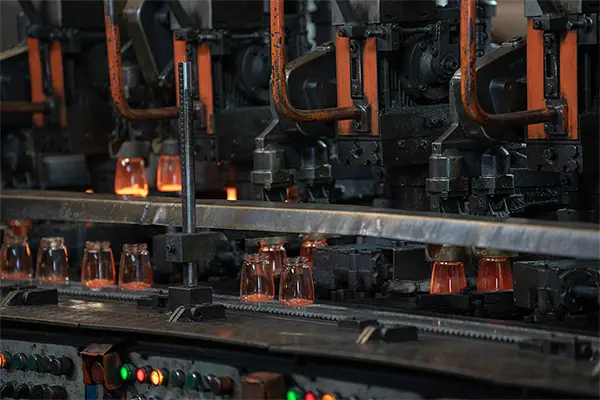
Our facility operates integrated production lines, spanning raw polymer processing, glass stress annealing, ceramic assembly, surface decoration (laser engraving, pad printing), and final retail packaging. With this level of integration, we maintain a production capacity of over 12 million units annually, allowing us to manage seasonal demand peaks and deliver consistent volume runs.
By utilizing ERP-driven inventory tracking and direct port access (Ningbo/Shanghai), we offer global distributors reliable shipping schedules, flexible customs routing, and robust buffer stock programs.
B2B Collaborative Case Studies & Product Solutions
Examining how we solve technical and usability challenges for our global brand partners.
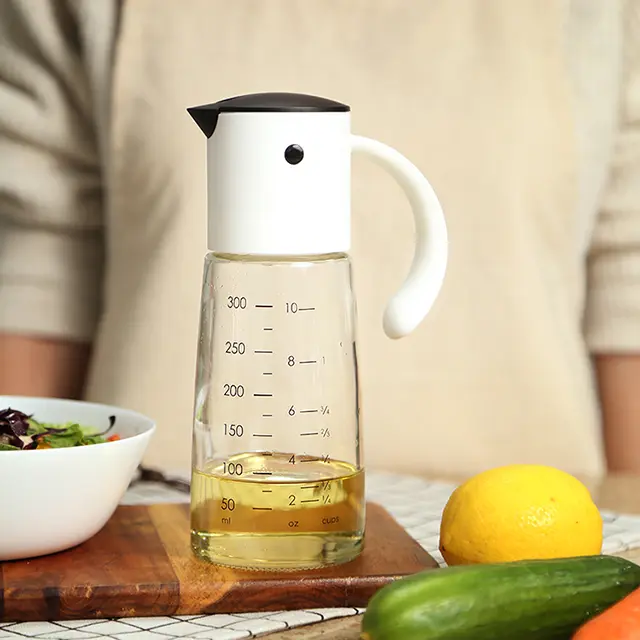
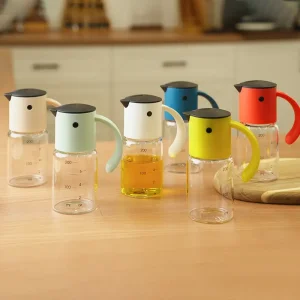
Case Study 1: Red Dot Award-Winning Gravity-Fed Bird Spout Oil Dispenser
Challenge: Classic kitchen oil dispensers often suffer from slow, messy flow and require two-handed operation to open a manual cap. This can lead to oily drips running down the container, creating clean-up issues and potential cross-contamination.
Solution: Chinagama designed an automated gravity-induction mechanism modeled after a bird's beak. When tilted, the internal counter-balance swings the dispensing gate open; when returned upright, it reseals instantly.
Outcome: This design won the German Red Dot Award and remains a top-selling dispenser. It demonstrates our ability to combine visual design with practical, daily usability.
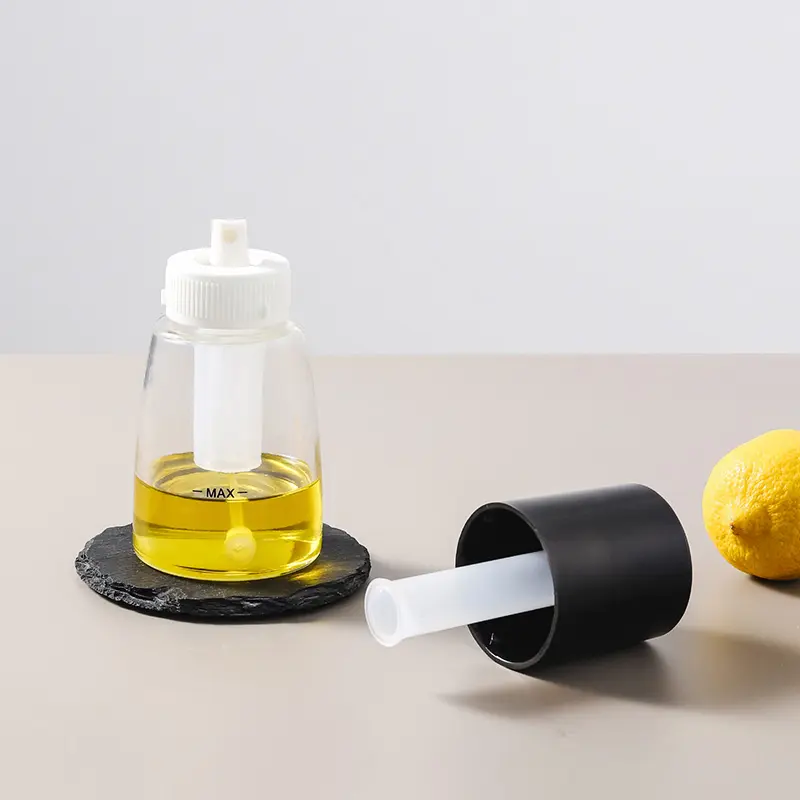
Case Study 2: Oil Mist Sprayer Project & Material Stress Mitigation
Challenge: An international kitchenware client requested an oil sprayer. Our initial prototypes, made with PMMA and ABS polymers, experienced stress cracking when exposed to lipids, raising product longevity concerns.
Solution: Our materials engineering team transitioned the design to food-grade polypropylene (PP) and high-density PCTG. This required adjusting our injection tooling parameters to maintain structural integrity under pressure.
Outcome: The updated material choice eliminated stress cracking. The product met all client requirements and helped secure them a leading position in the healthy culinary spray market.
Case Study 3: Small Straight Pepper and Salt Grinder Usability
Challenge: Traditional manual grinders often feature bulky, heavy shapes or complex adjustment knobs that are difficult for users to operate comfortably.
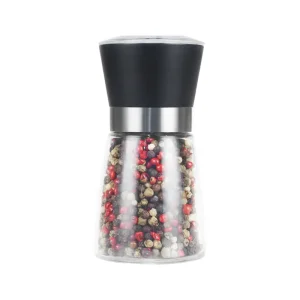
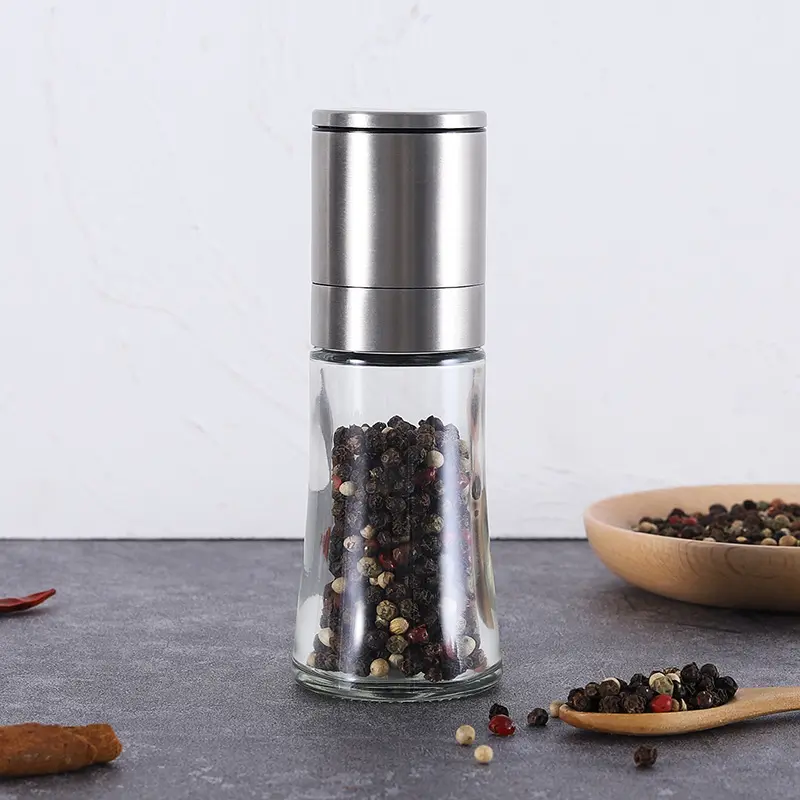
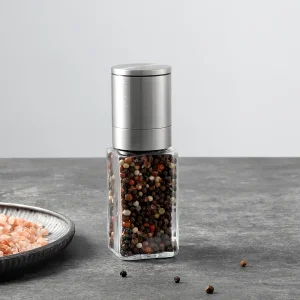
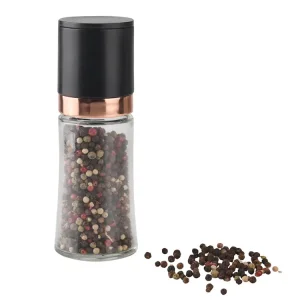
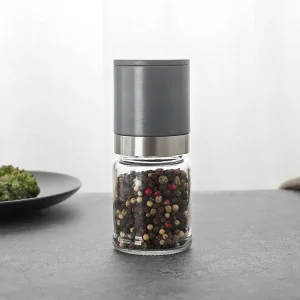
Solution: We engineered a compact, straight-walled glass mill utilizing a top-mounted ceramic mechanism. This configuration keeps the grinding area tidy and provides a comfortable grip.
Outcome: This design has received positive market feedback from both retail consumers and B2B clients, proving that minimalist design can deliver excellent performance.
Production Equipment & Quality Control
A look inside our manufacturing facilities and our multi-point quality assurance protocol.
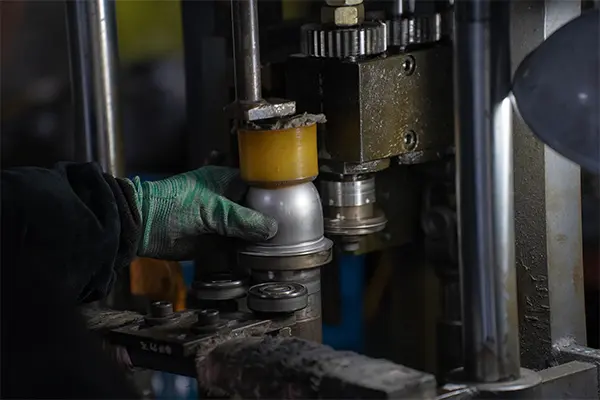
At Chinagama, we prioritize modern equipment and technology as core drivers of our production success. These advanced tools enhance manufacturing efficiency and help maintain consistent quality across large volumes.
From initial product design to final assembly, our team utilizes modern machinery to ensure precise results. Our production lines feature automated assembly systems, high-speed plastic injection presses, and specialized testing equipment to monitor performance at every stage.
Our dedicated R&D team holds over 300 patents, and our designs have earned German Red Dot and iF Design Awards. This technical foundation allows us to support client requests for custom styling, mechanical features, and branding requirements.
Future Outlook: The Next Generation of Kitchen Mills
Exploring the technological developments and sustainability initiatives driving our long-term roadmap.
1. Smart Kitchen Integration
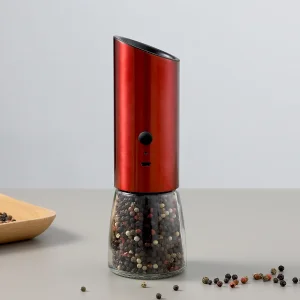
We are developing motion-activated, rechargeable spice mills featuring integrated weight sensors and fine grind adjustments, designed to connect with modern smart home ecosystems.
2. Sustainable Materials
We are actively testing bio-based resins, recycled ocean plastics, and FSC-certified bamboo components to reduce environmental impact without compromising mechanical durability.
3. Enhanced Grinding Systems
Our research focuses on hybrid ceramic-metallic burrs designed to handle specialized spices and herbs, improving torque efficiency and reducing manual effort.
Explore Our Professional Line
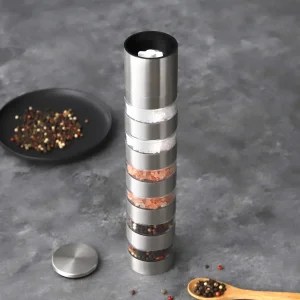
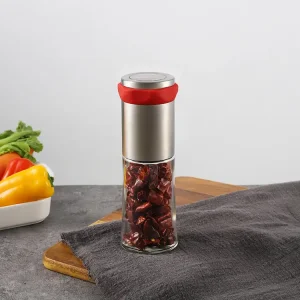
Our comprehensive catalog of manual, electric, and custom-designed spice grinders and kitchen dispensers.
B2B Procurement & Manufacturing FAQ
Frequently asked questions regarding our manufacturing processes, customization options, and global shipping policies.
Partner with China's Premier Spice Grinder Manufacturer
Ready to develop your next culinary hardware product line? Contact our team for customized manufacturing solutions.
Request a Custom Quote