 Chinagama
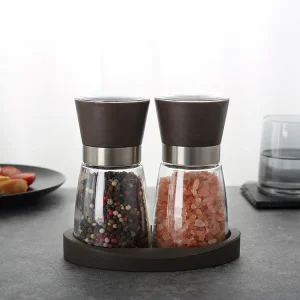
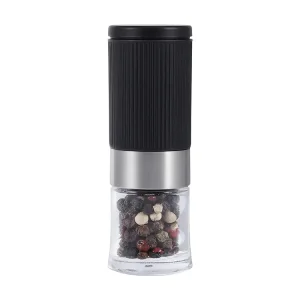
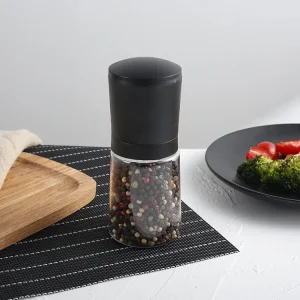
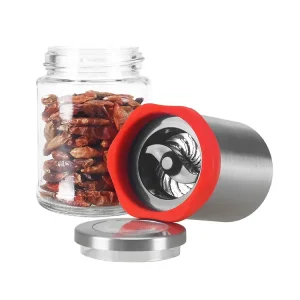
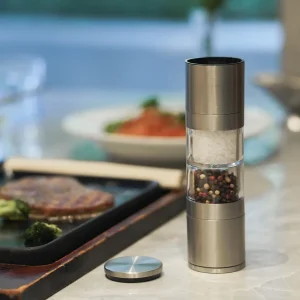
Premium Grinder Selection — Showcase I
Discover industry-leading kitchenware innovations featuring state-of-the-art mechanisms, customized branding, and food-grade safety certifications.
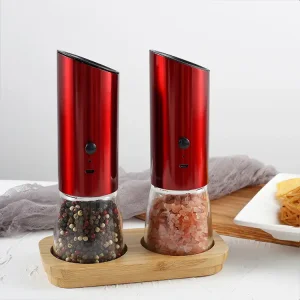
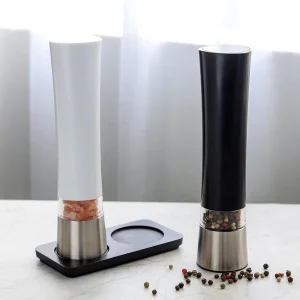
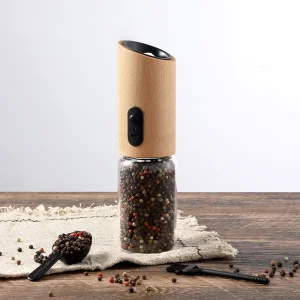
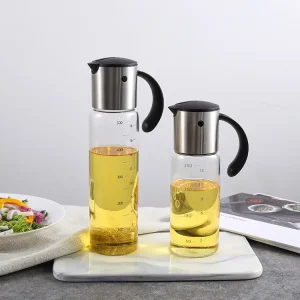
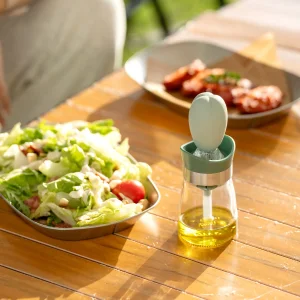
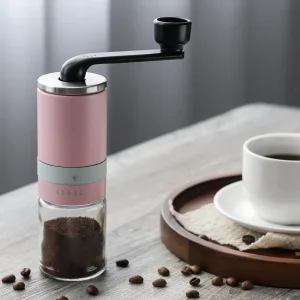
1. Executive Brief: The Evolution of Global Kitchenware Grinding Technology
In the rapidly changing consumer market, the kitchen utensils industry is moving from simple utilitarian tools to highly engineered, aesthetic, and technologically integrated components. As kitchenware brands, global retailers, and food service importers seek to establish distinctive product lines, the demand for precision, durability, and health-safe materials has surged. At the forefront of this shift is Chinagama (representing the pinnacle of ChinaDurablePepperGrinderCompany capabilities), a pioneer in food-grade grinding mechanisms, culinary accessories, and advanced dispensing solutions since 1997.
Our comprehensive industrial infrastructure facilitates the production of high-performance salt and pepper grinders, manual and electric coffee mills, oil and vinegar dispensers, and customized kitchenware sets. Over nearly three decades of growth, Chinagama has accumulated over 300 patents, cementing a leadership position. Our design language, celebrated by prestigious global accolades such as the Red Dot Award and the iF Design Award, emphasizes the symbiosis of physical utility and high-end aesthetics, delivering substantial "information gain" and value to the global distribution supply chain.
Material Innovation
Utilizing high-purity ceramic burrs, carbon steel cores, and food-grade polymers (such as Tritan and non-toxic PP) to ensure chemical inertness and long-term mechanical durability.
Ergonomic Architecture
Optimizing force transmission ratios in hand-operated manual burr assemblies to lower the physical strain of grinding dense spices like sea salt and Sichuan peppercorns.
Smart Automation
Integrating modern power-supply protocols, gravity sensors, and high-torque mini-motors to support one-handed operation in fast-paced commercial and residential kitchens.
From a global perspective, the market is moving quickly away from cheap disposable seasoning mills to high-end, refillable, and aesthetically pleasing devices. This transition aligns with international zero-waste goals, since consumers prefer buying premium whole spices in bulk and grinding them on demand to keep essential oils intact. Consequently, wholesale buyers, luxury retail labels, and industrial food brands must align with a manufacturer capable of delivering design innovation alongside manufacturing consistency.
2. Global Enterprise Sourcing Demands: Compliance, Safety, and Engineering Excellence
Enterprise purchasing departments in regions like Europe, North America, and Japan face strict regulatory frameworks regarding food-contact materials. Meeting standards like the German Food, Feed and Commodities Code (LFGB) and the United States Food and Drug Administration (FDA) is essential. Suppliers must provide transparent material disclosure and proof of testing by independent, accredited laboratories (such as SGS, TÜV, or Intertek).
"Regulatory compliance is more than a legal checkpoint—it is the foundation of brand trust. At Chinagama, every single kitchenware design undergoes detailed stress tests, thermal evaluations, and chemical migration analyses before it enters mass production."
Beyond compliance, procurement officers must balance production volume consistency and pricing stability. Working directly with an integrated OEM/ODM manufacturing plant like Chinagama removes middleman markups, secures proprietary patent rights, and offers flexible customization. Our client support covers everything from structural component adjustment and custom color matches to tailor-made retail packaging.
3. China Factory 4.0: Achieving Supply Chain Resilience and Lean Scale
Modern supply chains are highly vulnerable to localized logistics blocks, fluctuating raw material prices, and labor challenges. In response, Chinagama's production facilities have integrated Industry 4.0 principles to improve flexibility, control costs, and maintain delivery precision.
Established in 2012, our food-grade manufacturing facilities feature high-capacity injection molding machines, automated assembly lines, and digital quality-assurance stations. This infrastructure allows us to consistently meet large-scale demand, exporting over 12 million pepper grinders annually. This equates to an average of one unit purchased every three seconds worldwide.

Pioneering Culinary Innovations since 1997
Chinagama began in 1997 as a specialized trading entity. Recognizing emerging market opportunities, we transitioned to online trade platforms in 2001. A true turning point arrived in 2003, driven by a passion for cooking tools, when we pivoted from pure trade to direct product design and development.
This operational pivot led to the construction of our specialized food-grade manufacturing plant in 2012. Our engineering milestones were recognized in 2015 when Chinagama was officially designated a High-Tech Enterprise, acknowledging our commitment to intellectual property and production innovation.
Our Manufacturing Footprint in Numbers
Proven capabilities backed by empirical performance data, industry patents, and global partnerships.
4. Practical Case Studies in Product Engineering and Problem Solving
At Chinagama, engineering is about addressing real challenges faced by consumers and commercial kitchens. Below are three key case studies showcasing how we bridge the gap between initial product design and reliable mass production.
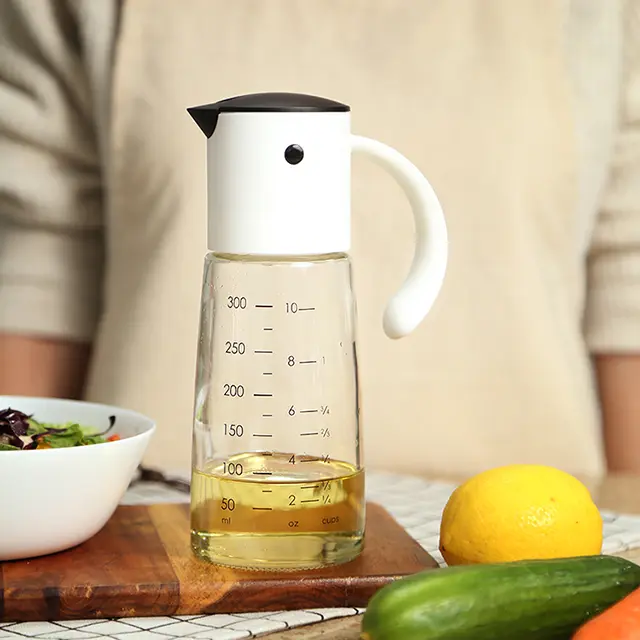
Case 1: Red Dot-Winning Gravity-Fed Oil Dispenser
The Opportunity: Market research identified growing demand for kitchen dispensers that prevent drips and can be operated with one hand.
The Solution: Chinagama designed and built a gravity-fed bird spout oil dispenser. Our engineers designed an internal balance mechanism that opens the spout automatically when tilted and seals it tight when upright, ensuring clean, mess-free use.
The Result: The design received the Red Dot Award and remains a top-selling product in Europe and Japan, serving as a benchmark for drip-free kitchenware.
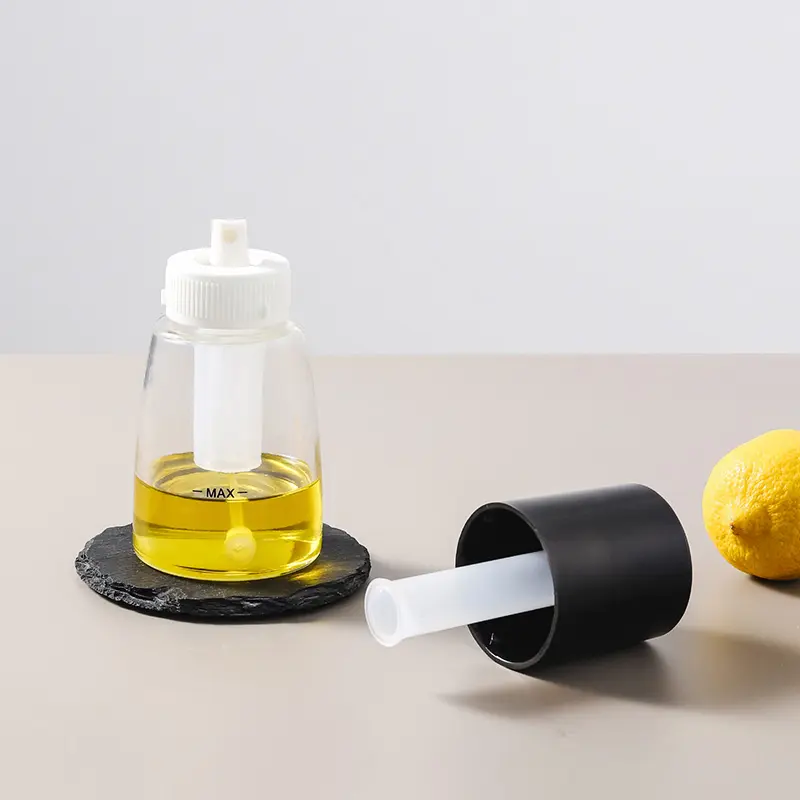
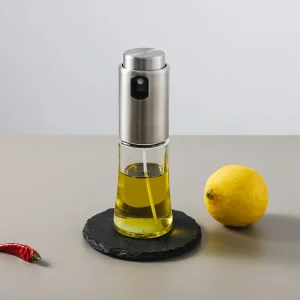
Case 2: Addressing Stress Cracking in Oil Mist Sprayers
The Opportunity: A leading kitchen brand partnered with us to design a high-performance oil mist sprayer.
The Challenge: Early trials with ABS and PMMA plastics showed they were prone to stress cracking when exposed to lipids over time, posing potential safety risks.
The Solution: After extensive testing, our material science team transitioned the design to a robust, non-toxic PP polymer, adjusting the injection mold settings to match the new material's shrinkage rate.
The Result: The re-engineered sprayer achieved high durability and full compliance, helping the client capture significant market share in the oil sprayer category.
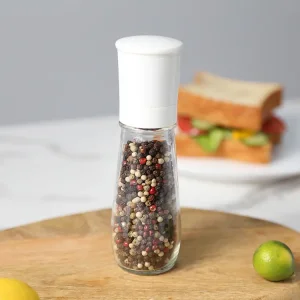
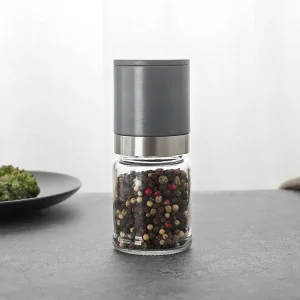
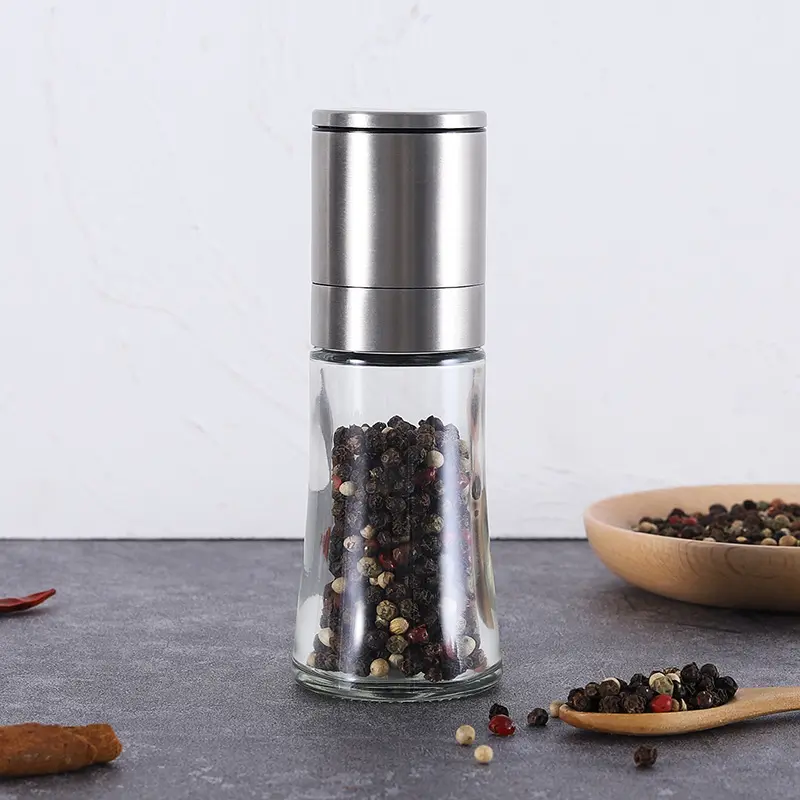
Case 3: Redesigning Salt and Pepper Grinders for Better Ergonomics
The Challenge: Many traditional manual spice mills are heavy, hard to grip, and feature complex designs that make them difficult to use.
The Solution: Chinagama's R&D team focused on a compact, straight-profile design. We optimized the gear ratio of the ceramic grinding core to require less wrist force, and protected the innovation with multiple mechanical patents.
The Result: The resulting line of salt and pepper grinders was highly praised by retailers and home cooks for its simplicity, clean aesthetics, and ease of use.
5. Deep Technical Insight: Grinding Cores and Material Selections
The performance of any grinding mill depends directly on its core grinding mechanism. The material and design of this component determine grind consistency, durability, and resistance to corrosion:
- Ceramic Grinding Cores (Alumina Ceramic): Ceramic cores are highly resistant to corrosion and wear, making them ideal for salt, which can corrode metal parts over time. They are also highly versatile for dried spices, preserving natural flavors without metallic contamination.
- High-Carbon Steel Cores: Ideal for coffee burrs and specific pepper mill projects due to their sharp cutting edges. They shear peppercorns rather than crushing them, releasing more natural aroma and flavor.
- Stainless Steel Assemblies: Provide high impact resistance and mechanical strength, making them well-suited for heavy-use commercial kitchen tools.
6. Localized Application Scenarios & Targeted Market Solutions
Chinagama's diverse product portfolio allows us to supply specialized tools tailored to distinct market segments and user preferences:
Gourmet & Fine Dining
We supply high-capacity, durable manual and gravity-electric grinders to commercial kitchens, built to withstand constant use while supporting precise seasoning adjustments during plating.
Retail Brands & Boutiques
We work with upscale homeware retailers to design custom wood-cased, ceramic, and metal grinders. These designs combine reliable performance with premium aesthetics that align with modern home décor.
Outdoor Dining & Travel
For active lifestyle brands, we produce compact, rechargeable electric and manual travel mills. These space-saving designs are optimized for picnics, camping, and outdoor catering.
Frequently Asked Questions — Global Sourcing FAQ
Answers to common operational, technical, and logistical questions for international procurement professionals.
Q1: What materials are used in Chinagama's grinding mechanisms, and are they food-safe?
We use high-purity alumina ceramics, food-grade stainless steel (SUS304/316), and carbon steel. All plastic parts are made from food-safe, BPA-free polymers like PP, ABS, AS, or Eastman Tritan. Our products are fully certified to meet FDA and LFGB standards for food-contact materials.
Q2: How does Chinagama protect proprietary ODM designs for OEM partners?
We take intellectual property protection seriously. We sign strict Non-Disclosure Agreements (NDAs) with our clients, and secure national and international patents for custom-engineered designs to prevent copycat products and protect your market position.
Q3: What is the typical lead time for custom production runs?
For standard OEM orders with custom colors and branding, our lead time is typically 30 to 45 days. For complex ODM projects requiring new injection molds and custom tooling, the timeline ranges from 60 to 90 days, including pilot testing and quality verification.
Q4: Does your factory support third-party audits and on-site QA testing?
Yes. We welcome third-party inspectors and audit services (such as SGS, Intertek, or QIMA) to verify our facilities, working conditions, and quality standards. Our production plant is BSCI-compliant and regularly audited to match global retail standards.
Q5: Can we customize the particle size settings on your pepper and salt grinders?
Absolutely. Most of our grinders feature adjustable grind selectors, allowing users to choose anything from fine powder to coarse cracked spices. We can also pre-calibrate these mechanisms to match specific spice profiles, such as coarse rock salts or dried chilies.
Q6: How does Chinagama manage shipping logistics for high-volume orders?
Located near Ningbo Port, one of China's largest deep-water shipping terminals, we have direct access to global shipping routes. We handle FOB, CIF, and DDP shipments, and work closely with major freight forwarders to ensure smooth customs clearance and on-time delivery.
Premium Grinder Selection — Showcase II
A collection of specialized kitchenware solutions, built for longevity, precise grinding, and elegant counter presentation.