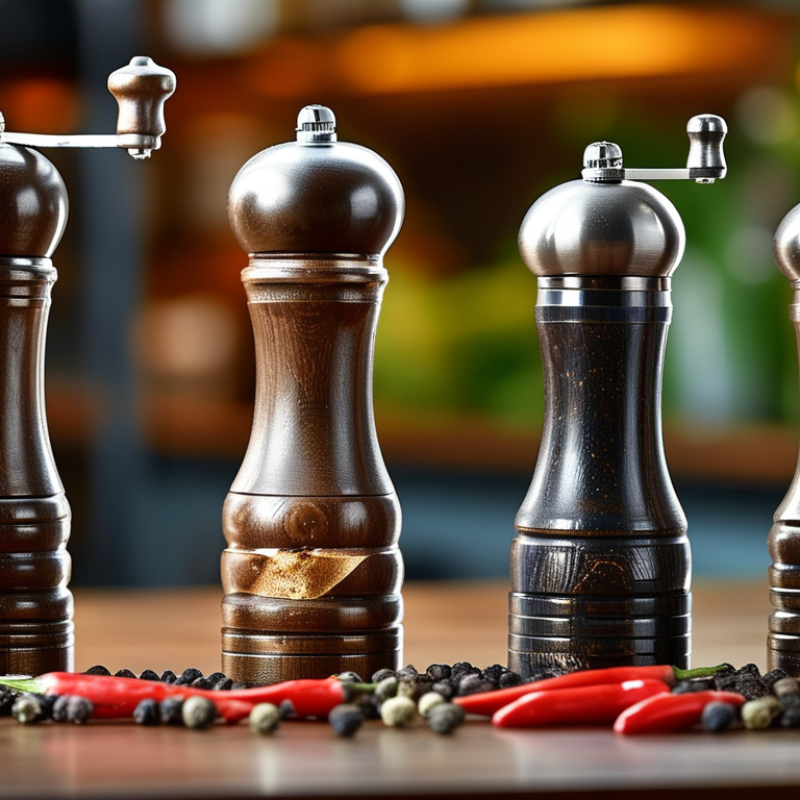
In the culinary world, the role of a Pepper Grinder Factory is often underestimated. A well-crafted pepper grinder enhances flavors, making dishes memorable. Sourcing from a reliable factory is essential for quality. Many businesses overlook this crucial step. They rush to find suppliers without considering quality standards.
Not all factories provide the same expertise. It's vital to identify those with a reputation for excellence. This requires research and careful evaluation. Experienced buyers understand the pitfalls of low-quality products. They know that a poor grinder can spoil the cooking experience. Building relationships with credible factories is key to long-term success.
Ultimately, choosing a Pepper Grinder Factory is about more than just price. It's about ensuring every meal is an experience worth savoring. Reflecting on sourcing methods can highlight areas for improvement. The right choice fosters trust, reliability, and culinary delight.
What is a Pepper Grinder Factory?
A pepper grinder factory specializes in producing a variety of pepper grinders. These factories design, manufacture, and distribute products for culinary enthusiasts and professionals. The global market for pepper grinders has witnessed significant growth, with a projected CAGR of 4.5% from 2022 to 2028, according to industry reports. This increase underscores the demand for quality kitchen tools as cooking trends evolve.
When sourcing a pepper grinder factory, consider the production capacity and quality standards. Factors like material selection and manufacturing processes impact the final product. Many factories utilize eco-friendly materials, responding to consumer demand for sustainable options. It’s crucial to assess certifications that ensure they adhere to international standards, fostering trust and reliability in your sourcing decision.
For buyers, understanding the nuances of production can be tricky. Ensure clear communication about your needs and expectations. Visiting the factory, if possible, provides insights into their operations. Keep in mind that not all factories are the same. Some might lack the necessary technology or consistency needed to meet quality demands. Inspect prototypes before placing large orders, as this could save future headaches.
Pepper Grinder Factory Data Overview
| Factory Location |
Annual Production Capacity (Units) |
Materials Used |
Quality Certification |
Average Lead Time (Days) |
| China |
500,000 |
Wood, Stainless Steel |
ISO 9001 |
30 |
| India |
300,000 |
Bamboo, Ceramic |
FSSAI |
45 |
| Italy |
200,000 |
Glass, Metal |
CE |
20 |
| USA |
150,000 |
Plastic, Stainless Steel |
FDA |
25 |
| Vietnam |
400,000 |
Bamboo, Wood |
BRC |
35 |
Types of Pepper Grinders Manufactured by Factories
When exploring the types of pepper grinders manufactured by factories, one can identify key categories based on design and functionality. Common types include manual grinders, electric grinders, and novelty grinders. Industry reports show that manual grinders hold a significant market share, appealing to consumers who appreciate the tactile experience of grinding their own pepper. These grinders often feature high-quality materials, such as stainless steel and ceramic, contributing to their popularity in both home and restaurant settings.
Electric grinders offer convenience and speed, catering to modern lifestyles. According to market research, the demand for electric grinders is on the rise, particularly in urban areas where time is a luxury. These devices often provide adjustable grind settings, allowing users to customize the coarseness of their pepper. Despite their advantages, some consumers express concern about the durability and maintenance of electric components. This often leads to discussions about the balance between convenience and reliability in kitchen tools.
Novelty grinders, on the other hand, target a niche market with unique designs, often reflecting culinary trends. Reports indicate that consumers are drawn to these items for their aesthetic value as much as for functionality. However, it's essential for buyers to consider the quality of these products. Some novelty designs may prioritize appearance over performance, leading to disappointment in usability. The ever-evolving preferences in pepper grinder styles demonstrate a blend of tradition and innovation, revealing the complexities involved in sourcing and selecting the right products for various consumers.
Key Considerations for Sourcing Pepper Grinders
Sourcing pepper grinders involves careful evaluation. The global market for spice grinders is projected to grow at a CAGR of 6.3% from 2021 to 2027. This increase shows a rising demand for culinary tools that enhance flavor. Quality and functionality are paramount. When selecting a factory, consider their production capabilities and quality assurance processes.
Material selection is also crucial in sourcing. Common materials include stainless steel and acrylic, each offering durability and aesthetic appeal. Reports indicate that consumers favor grinders that provide precision and ease of use. A grinder that easily adjusts to different grind sizes can significantly enhance user experience.
Beyond material and production, a factory’s compliance with safety standards is vital. Inconsistent quality control can lead to products that do not meet safety requirements. This can damage a brand’s reputation. Ensuring that potential suppliers have certifications and a solid track record is essential for a successful sourcing strategy. Manufacturers must be willing to communicate updates actively and address concerns transparently to maintain a reliable partnership.
Steps to Establish a Relationship with a Pepper Grinder Factory
When considering sourcing from a pepper grinder factory, building a strong relationship is crucial. Start by researching potential manufacturers. Look for those with experience and good reviews. Visit their websites to understand their capabilities. It’s important to establish clear communication early. Ask questions about their manufacturing processes and quality control measures. This helps in assessing their reliability.
Once you've shortlisted a few factories, initiation is key. Reach out professionally. Be clear about your needs, production volume, and timelines. A factory that demonstrates quick and helpful responses is a good sign. Consider arranging a visit if feasible. In-person meetings can reveal a lot about their operations. This also allows you to inspect their facilities and meet their team.
Trust is built over time. Share your experiences and feedback regularly. This creates a collaborative atmosphere. Be ready for some challenges. Factories may have different working styles and cultures. If issues arise, address them openly. Be willing to adapt and find solutions together. This open dialogue can lead to a fruitful long-term partnership.
Quality Control and Standards in Pepper Grinder Manufacturing
Quality control is crucial in the manufacturing of pepper grinders. Each grinder must be thoroughly inspected for design flaws and functionality. A grinder that doesn’t work properly can lead to consumer dissatisfaction and damage to reputation. Manufacturers usually set quality benchmarks. These benchmarks include material durability, grinding efficiency, and safety standards. Inspections should occur at various production stages to catch defects early.
Testing also plays a significant role in quality assurance. Random samples from production batches should undergo rigorous testing. This includes checking grinding consistency and testing the materials for safety. Workers should be trained to recognize quality issues. Shoddy workmanship can hinder the entire production line, leading to losses. Regular audits help ensure that manufacturers maintain high standards.
Documentation is another vital aspect of quality control. It helps trace back any defects to their source. Records of materials used, production processes, and quality checks should be maintained. Transparency fosters trust between manufacturers and suppliers. However, the reliance on paperwork can sometimes introduce human error. Balancing meticulous documentation with practical oversight remains a challenge in this field.
FAQS
: Common types include manual grinders, electric grinders, and novelty grinders.
Many enjoy the tactile experience of grinding pepper manually and appreciate high-quality materials.
Electric grinders offer convenience and speed, allowing users to adjust grind settings quickly.
Yes, some users worry about durability and maintenance of electric components.
Novelty grinders have unique designs and attract buyers for their aesthetic value and functionality.
Quality should be a priority since some designs may focus more on appearance than performance.
Quality control ensures grinders perform well and meet consumer expectations, protecting manufacturers' reputations.
Testing random samples is essential for checking consistency and material safety during production.
Keeping detailed records helps trace defects and fosters trust, but it may introduce human errors.
Balancing meticulous documentation with practical oversight can be difficult in maintaining high standards.
Conclusion
A Pepper Grinder Factory is a specialized manufacturing facility that focuses on producing various types of pepper grinders, which are essential kitchen tools for enhancing culinary experiences. These factories typically manufacture a range of products, including manual and electric grinders made from diverse materials like wood, stainless steel, and acrylic. When sourcing from a pepper grinder factory, it is crucial to consider factors such as production capacity, pricing, materials used, and customization options.
Establishing a solid relationship with a pepper grinder factory involves clear communication regarding expectations, timelines, and product specifications. Quality control plays a vital role in ensuring that the grinders meet industry standards and customer satisfaction. A well-structured approach to sourcing from a pepper grinder factory can lead to successful partnerships and superior product offerings in the market.
 Chinagama