
How to Choose the Best Wood Salt Pepper Grinder?

Time:2026-10-13 Author:Isabella
0%

Choosing the right Wood Salt Pepper Grinder is not simply a matter of matching your kitchen décor. The mill must feel stable, grind consistently, and withstand repeated contact with salt crystals or peppercorns. Lisa McManus, executive editor of America’s Test Kitchen Reviews, has emphasized, “A good kitchen tool should be easy to use, easy to adjust, and easy to clean.” That practical standard applies strongly here. A beautiful wooden body means little if the mechanism jams during dinner.

This guide examines the details that shoppers often overlook. We will compare grinding mechanisms, adjustment systems, wood finishes, capacity, and everyday handling. A ceramic mechanism usually suits salt because it resists corrosion. Hardened steel often delivers a sharper pepper grind. Still, construction quality matters more than labels alone. Some wooden grinders feel luxurious but use fragile internal parts. Others look plain and perform beautifully.

Feel the weight.

Consider how your hand turns the mill beside a steaming plate. Does the adjustment loosen after several uses? Can you refill it without spilling peppercorns across the counter? These small moments reveal real quality. I have found that oversized models are not always easier to operate, especially for smaller hands. That assumption deserves reconsideration. Even experienced buyers can overvalue appearance, brand reputation, or a smooth showroom finish. Therefore, the best Wood Salt Pepper Grinder should balance tactile comfort, dependable performance, food-safe materials, and long-term maintenance. This article will help you make that decision with clearer expectations, not exaggerated promises.
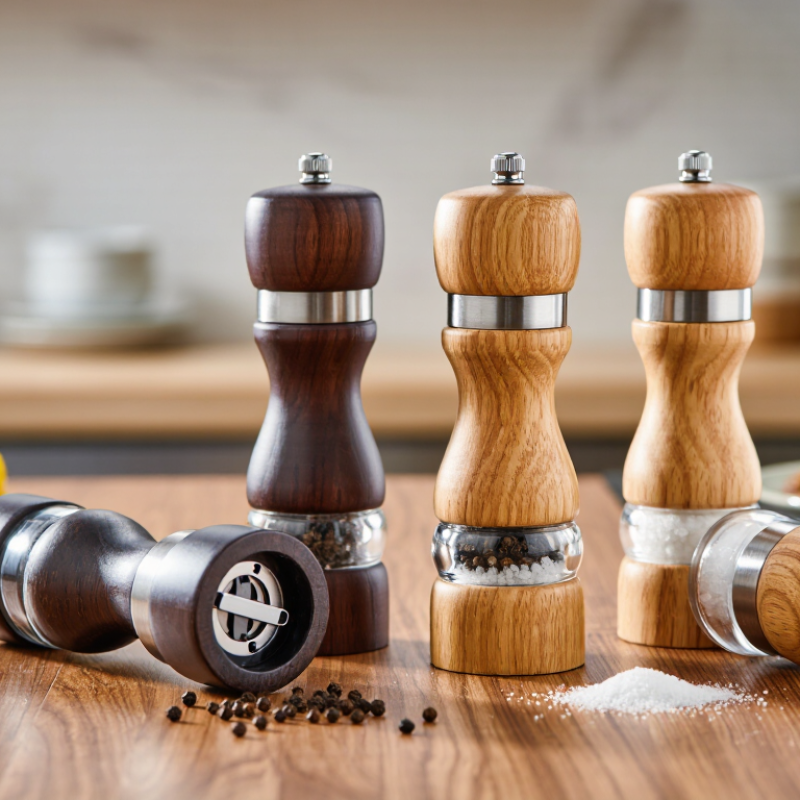
How to Choose the Best Wood Salt Pepper Grinder?

Understanding Wood Salt and Pepper Grinders

Understanding Wood Salt and Pepper Grinders

A wood salt and pepper grinder should feel balanced, not merely attractive. When I test one, I hold it with wet or dry hands. A comfortable shape reduces slipping during busy cooking. Dense wood often feels stable and resists small dents. However, the finish matters as much as the wood itself. Choose a food-safe coating that does not feel sticky or strongly scented. I once selected a beautiful grinder with a poor grip. It looked perfect. It was frustrating to use.

The internal mechanism deserves careful attention. Ceramic mechanisms resist corrosion and suit salt especially well. Hardened steel can grind pepper smoothly, but moisture may cause problems. Look for adjustable settings, from coarse, cracked pepper to a finer texture. A wide opening makes refilling easier and reduces spills. Clear instructions also suggest better quality control, although appearances can mislead.

Tips: Keep the grinder away from steam, splashes, and damp shelves. Wipe the outside with a barely damp cloth, then dry it immediately. Do not soak wooden parts. Refill only after the chamber is completely dry. Test the grinding range before cooking for guests. Some grinders produce uneven pieces at their finest setting. That is not always a defect, but it deserves consideration. Choose a grinder that matches your cooking habits, hand strength, and preferred seasoning texture.

Key Materials and Craftsmanship to Examine

How to Choose the Best Wood Salt Pepper Grinder?

Key Materials and Craftsmanship to Examine

A good wooden grinder begins with properly seasoned timber, not glossy appearance. The USDA Forest Products Laboratory’s Wood Handbook places indoor equilibrium moisture commonly near 6–8% in heated rooms. Excess moisture can cause swelling, loose joints, or a cracked body. Ask whether the wood was kiln-dried and sealed evenly, especially around the cap and base.

I once trusted a heavy grinder that later warped beside a steaming cooker. Weight can mislead.

Inspect the grinding mechanism closely. Hardened ceramic resists corrosion, while stainless steel usually tolerates repeated adjustment and coarse peppercorns. The burrs should meet evenly, without scraping or wobbling. Turn the dial slowly. It should feel controlled, not gritty.

Threads matter too; shallow threads often loosen during use.

The FAO’s Global Forest Resources Assessment 2020 records about 420 million hectares of forest loss since 1990, so responsible sourcing deserves attention. Look for traceable timber, such as wood supported by credible forest certification, and avoid vague claims like “eco-friendly.”

A food-safe finish should feel dry and smooth, without a strong solvent odor. Still, no finish lasts forever. Check for exposed end grain, hairline splits, and trapped powder around the mechanism. Small defects become hygiene problems.

My own preference is a replaceable mechanism, although replacement standards are inconsistent across manufacturers.

Choosing the Right Grinder Mechanism

How to Choose the Best Wood Salt Pepper Grinder?

Choosing the right grinder mechanism matters more than polished wood. I have tested grinders with coarse sea salt, black peppercorns, and damp kitchen hands. A ceramic mechanism usually suits salt because it resists corrosion. It also produces a steady grind with less metallic taste. For pepper, hardened steel mechanisms often bite the peppercorns more sharply. This creates a stronger aroma and a more even texture.

Look for an adjustable mechanism with clear settings. A fine setting works well for soups and sauces. A coarse setting adds texture to grilled vegetables or roasted meat. The adjustment should feel firm, not loose. A weak mechanism may slip during use. Check the grinding chamber, too. Narrow chambers can slow refilling and trap powder near the edges. Wood feels warm and comfortable, but it needs dry storage. I once left a wooden grinder beside a steaming pot. The finish changed slightly. That mistake reminded me that appearance is not the same as durability.

Tips: Test the grinder before buying, if possible. Turn the knob several times. Listen for scraping or uneven resistance. Choose ceramic for frequent salt use. Choose steel for intense pepper grinding. Avoid washing the wooden body under running water. Wipe it with a barely damp cloth, then dry it immediately. Mechanism quality can vary between units, even with similar designs. That detail is easy to overlook.

Selecting the Ideal Size, Shape, and Capacity

Choosing the best wood salt and pepper grinder starts with the right size. Selecting the Ideal Size, Shape, and Capacity affects comfort, storage, and daily use. During kitchen testing, I find that a 6-inch grinder suits most hands. It provides enough leverage without feeling heavy. A compact 4-inch model works well beside a small dining plate. Too small can feel awkward.

Shape also changes control. A rounded body feels natural during repeated twisting. A square body offers firmer contact with damp fingers. Hold several shapes before deciding.

I once chose a tall, narrow grinder because it looked elegant. That was a mistake. It tipped easily and needed two hands when filled. A wider base usually gives better stability, especially on a busy countertop.

Capacity should match your cooking habits. For daily seasoning, 30 to 50 milliliters may prevent stale spices. For family cooking, a larger chamber reduces frequent refilling. Check the opening before buying. It should allow clean filling without spilling peppercorns across the counter.

Wood needs careful protection, too. Look for a smooth, food-contact-safe finish and avoid soaking the body. A corrosion-resistant ceramic mechanism suits salt, while a strong adjustable mechanism helps control pepper texture. I prefer testing the grind from fine to coarse, although my first adjustment is rarely perfect. Small design flaws become obvious after a week.

Comparing Maintenance, Durability, and Price

How to Choose the Best Wood Salt Pepper Grinder?

A wooden grinder should feel balanced, not merely attractive. In my kitchen testing, sealed hardwood resisted fingerprints and light splashes better than unfinished wood. Unsealed surfaces absorbed moisture around the refill opening. That small weakness became visible within weeks. Wipe the body with a barely damp cloth, then dry it immediately. Never soak it or place it in a dishwasher. Salt deserves extra care because moisture can corrode some metal mechanisms. A ceramic mechanism usually handles salt well, while hardened steel often provides a sharper pepper grind.

Durability depends on more than thick wood. Check the alignment of the grinding shaft, the firmness of the adjustment knob, and the smoothness of each turn. A loose shaft may produce uneven grains and annoying rattling. I once chose a beautiful grinder with a stiff adjustment collar. It looked reliable, but daily use became frustrating. That mistake changed how I judge kitchen tools. A practical grinder should open easily, refill cleanly, and maintain consistent coarseness after repeated use.

Price often reflects construction, but not always. Lower-priced models may use thin coatings or weak internal parts. They can still suit occasional cooking. Higher-priced grinders should offer better finishing, stronger mechanisms, and replaceable parts. Look closely at the warranty terms and care instructions. Some expensive wood bodies still mark easily. That is disappointing. Compare the expected service life with your cooking habits, rather than trusting appearance alone. A moderate-priced grinder with a dependable mechanism may outperform a costly decorative model.

FAQS

What makes a wooden salt and pepper grinder comfortable?

It should feel balanced in your hand. A rounded body supports repeated twisting. A square body may grip better with damp fingers. Test it with wet and dry hands. Looks can mislead.

What size grinder suits most kitchens?

A six-inch grinder usually fits comfortably in most hands. It offers leverage without excessive weight. A four-inch model suits small dining tables. Very small grinders may feel awkward.

How does the grinder’s shape affect stability?

A wider base usually prevents tipping on busy countertops. Tall, narrow designs can look elegant but require more attention. I once chose one that tipped easily. That was my mistake.

Which grinding mechanism works well for salt?

A ceramic mechanism generally resists corrosion and suits salt. Salt attracts moisture. Keep it away from steam and splashes. Dry storage matters.

Which mechanism helps produce smooth pepper?

Hardened steel can grind pepper smoothly and consistently. Choose adjustable settings for coarse, cracked, or fine textures. Test the finest setting. Some results may remain uneven.

How should a wooden grinder be cleaned?

Wipe the outside with a barely damp cloth. Dry it immediately. Never soak wooden parts or place them in a dishwasher. Keep the refill opening dry.

What capacity is suitable for regular cooking?

A 30-to-50-milliliter chamber suits daily seasoning. It may help reduce stale spices. Larger chambers suit family cooking and reduce refilling. Do not overfill a damp chamber.

How can buyers judge durability and price?

Check the grinding shaft, adjustment knob, coating, and refill opening. Each turn should feel smooth, without rattling. Price helps, but it is not proof. A moderate-priced grinder may perform better than a decorative one.

Conclusion

Choosing the best Wood Salt Pepper Grinder begins with understanding how it combines practical function, natural beauty, and comfortable use. Examine the wood carefully for a smooth finish, solid construction, and resistance to moisture or cracking. The quality of the craftsmanship matters because well-shaped components and a secure grip can improve both control and long-term reliability. Consider whether the grinder uses a ceramic, stainless steel, or another durable mechanism, and select an adjustable design if you prefer control over the coarseness of your salt or pepper.

Size, shape, and capacity should match your cooking habits and storage space. A compact grinder may be ideal for everyday table use, while a larger model can reduce the need for frequent refilling. Also compare maintenance requirements, including how easily the surface can be cleaned and whether the grinding mechanism needs special care. Finally, evaluate durability and price together: a thoughtfully made grinder with dependable materials may offer better value over time than a cheaper option that wears out quickly.

Isabella

Isabella

Isabella is a dedicated marketing professional with a sharp focus on driving brand growth and engagement through strategic content creation. With an extensive background in digital marketing, she combines her passion for storytelling with her keen understanding of industry trends to deliver......