 Chinagama
How to Choose the Best Manual Coffee Grinder for Your Needs?
When it comes to brewing the perfect cup of coffee, the choice of a Manual Coffee Grinder can significantly impact flavor. According to a report by the Specialty Coffee Association, freshly ground coffee preserves aromatic compounds that enhance the drinking experience. Notably, coffee experts assert that grind consistency is crucial. As Andrew Smith, a renowned industry specialist, once stated, “A good grind is the foundation of great coffee.”
Choosing the right Manual Coffee Grinder involves considering factors such as grind size, material, and ease of use. Many enthusiasts undervalue the importance of these criteria. A high-quality grinder can elevate your coffee game. Some grinders are made from durable stainless steel while others use ceramic burrs, each offering unique advantages. However, not all options on the market meet user needs effectively.
In the Manual Coffee Grinder market, deception often lurks among flashy marketing claims. Consumers must remain vigilant. Investing in a reliable grinder can be worth it, but it’s essential to research thoroughly. Ultimately, a tailored choice can ensure better flavor and optimal brewing results. The right grinder transforms coffee from mundane to extraordinary.
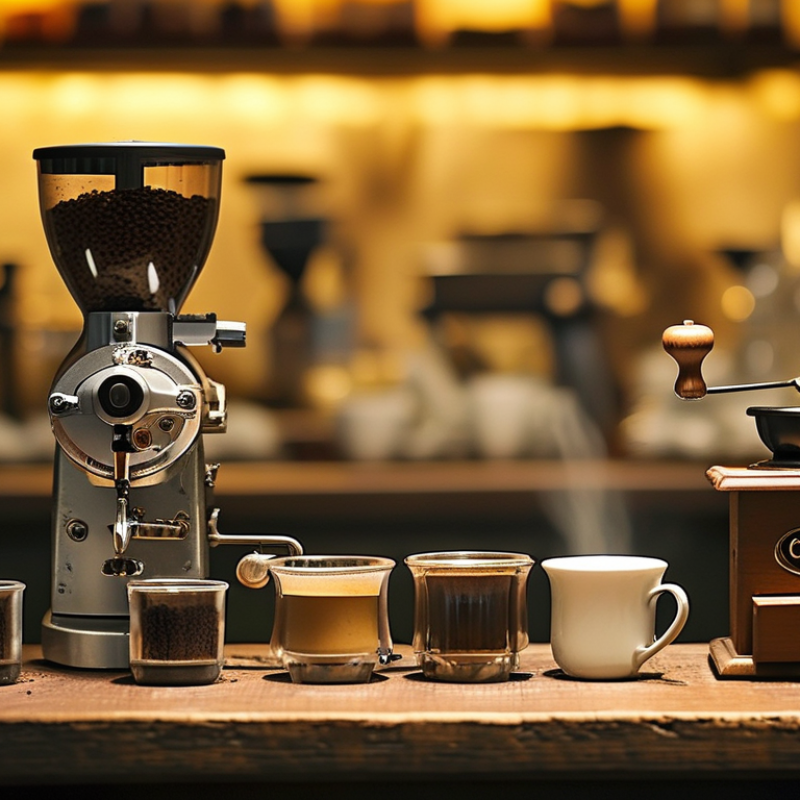
Understanding the Importance of Grind Size in Coffee Preparation
When it comes to brewing coffee, grind size is crucial. The right grind can influence flavor extraction, aroma, and overall enjoyment. A study by the Specialty Coffee Association revealed that grind size impacts the coffee's bitterness and sweetness. For instance, finer grinds often yield a stronger taste, but they can also lead to over-extraction, resulting in bitterness. In contrast, coarser grinds may lack depth and complexity.
Understanding your brewing method is vital in choosing grind size. For espresso, a fine grind works best, allowing for a quicker extraction. However, for methods like French press, a coarser grind is recommended. This approach prevents the coffee from becoming overly bitter. Knowing your desired flavor profile can guide you in making the right choice.
Tip: Start with a medium grind and adjust based on taste. If your coffee is too bitter, try a coarser grind.
Experimenting can lead to delightful discoveries. Each adjustment in grind size can lead to significantly different flavors. Thus, learning through practice can help refine your preferences.
Tip: Keep notes on your grind sizes and brewing methods to track what works best. This reflection can enhance your coffee-making skills over time.
FAQS
: The right grind size influences flavor extraction, aroma, and overall enjoyment of the coffee.
Finer grinds may lead to stronger flavors but can cause over-extraction and bitterness. Coarser grinds may lack depth.
A fine grind is ideal for espresso as it allows for quicker extraction and a better flavor profile.
A coarser grind is recommended for French press to prevent bitterness in the final brew.
If your coffee is bitter, try using a coarser grind to enhance flavor balance.
Steel burrs offer durability and uniformity, while ceramic burrs preserve flavor but may chip more easily.
A grinder’s capacity matters if you brew large quantities. A 30-40 gram capacity is ideal for more than 10 cups.
Many underestimate their brewing needs, opting for smaller grinders that can't handle larger quantities when entertaining.
Keeping notes on grind sizes and methods helps refine preferences and enhance your coffee-making skills over time.
Yes, steel burrs may generate heat affecting taste, while ceramic burrs resist heat but may chip, leading to inconsistency.
Conclusion
Choosing the best manual coffee grinder involves understanding several key factors that affect coffee quality and user experience. First, the grind size is crucial as it directly influences the extraction and flavor profile of the brew. Different burr types, such as ceramic and steel, each offer unique benefits in terms of consistency and durability.
Additionally, the grinder's capacity should match your brewing habits; if you regularly prepare larger batches, ensure your grinder can accommodate that. Build quality is also essential, as materials significantly impact the grinder’s longevity and performance. Finally, consider portability; the ideal manual coffee grinder should be easy to transport for both travel and home use, ensuring you can enjoy freshly ground coffee wherever you are.
