 Chinagama
7 Tips for Choosing a Coffee Machine and Grinder
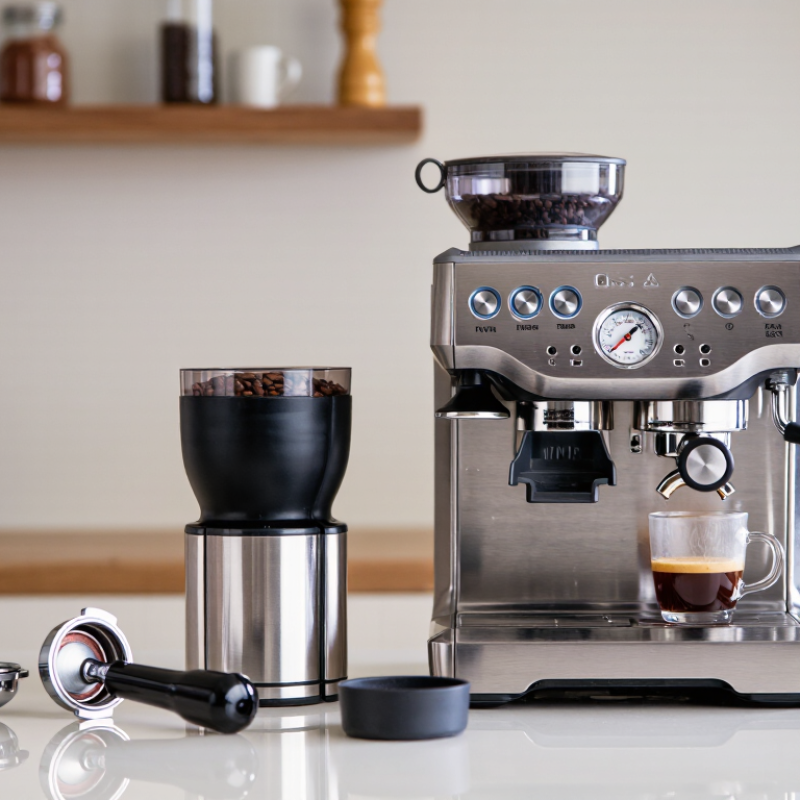
Choosing a Coffee Machine And Grinder is about more than comparing prices or choosing the sleekest design. The right setup should suit your coffee habits, available space, and tolerance for daily cleaning. A machine that makes excellent espresso may feel impractical if it takes too long to heat or requires complicated adjustments. Small details matter.
The grinder deserves equal attention. Burr grinders generally offer more consistent grounds than basic blade models, which can help produce a more balanced cup. Still, grind settings, noise, capacity, and ease of cleaning vary between products. Freshly ground coffee can improve flavor, but only when the grinder matches your brewing method. Espresso usually needs a finer, more precise setting than drip coffee.
This guide shares seven practical tips for comparing machines and grinders before you buy. It looks at brewing style, grinder type, temperature control, ease of use, maintenance, counter space, and budget. You’ll also find questions to ask about warranties and replacement parts. A compact machine may save space, but its water tank could need frequent refilling. That trade-off is easy to overlook.
There is no perfect setup for everyone. Some features sound useful but may rarely get used. Consider what you actually drink on a weekday morning, not only what looks appealing in a product photo. A little careful comparison can help you choose equipment that fits your routine—and keeps the coffee-making process enjoyable.
Identify Your Brewing Preferences and Daily Coffee Needs
Your coffee routine should guide the equipment, not the other way around. The National Coffee Association’s 2024 National Coffee Data Trends report found that 67% of U.S. adults had coffee in the past day. That points to a daily habit, but not one brewing style. Do you make a single mug before work, or serve several people on weekends? Tip: Note your usual servings and brew method for one week.
For pour-over, a grinder with consistent settings helps control extraction; a drip machine suits hands-off mornings. Espresso needs especially fine, adjustable grinding and more attention. Small details matter. Think about counter space, cleanup, and whether you want to weigh beans each morning. A machine with extra features may look appealing, yet sit unused. Choose a grinder that matches your preferred brew method and allows small adjustments.
Consider how much coffee you drink and how much effort feels realistic. A compact brewer may be enough for one cup, while a larger carafe can reduce repeat brewing for a household. Tip: Bring your favorite mug when checking capacity. One easy-to-miss issue: advertised volume may describe water capacity, not the finished drink. Reflect on your routine, too. If you often change methods, avoid buying equipment that limits experimentation.
FAQS
Track your usual servings and brewing method for one week. A single morning mug needs different equipment than weekend coffee for several people.
Drip machines work well for larger batches and hands-off mornings. Pour-over offers more control, but you need to stay nearby. Espresso takes practice and careful adjustments.
A burr grinder generally makes more even grounds than a blade grinder. Adjustable settings help if you switch between brewing methods. Small changes matter.
Measure your counter space and compare the carafe with your usual servings. Bring your favorite mug when checking capacity. Listed volume may mean water capacity, not finished coffee.
They can make a quick cup with little effort. You may have less control over coffee dose and freshness, though. Convenience has a trade-off.
No. Temperature and brew-strength controls can affect flavor, but more settings do not promise a better cup. A simple setup may be enough.
Brew the amount you normally drink and taste it black. Notice bitterness, thinness, and cleanup time. I still underestimate cleanup.
Fresh beans and consistent measurements help, but equipment cannot rescue stale coffee. Espresso also needs a fine, even grind and practice. Be realistic.
Conclusion
Choosing the right Coffee Machine And Grinder starts with understanding how you enjoy coffee and how much time you want to spend making it each day. Consider your preferred brewing styles, the number of cups you need, and whether you value convenience, hands-on control, or a range of brewing options. Compare machine types by their capabilities, then select a grinder that offers suitable settings for your preferred beans and brewing methods.
A good pairing should produce a consistent grind that matches the machine and coffee style. Before deciding, assess capacity, ease of cleaning, expected durability, and overall cost, including routine upkeep. Thinking through these factors together can help you choose a practical setup that fits your habits, delivers the coffee you enjoy, and remains manageable over time.
