When exploring the world of coffee brewing, the "Pour Over Coffee Maker" stands out as a beloved choice. Experts like James Hoffmann, a renowned coffee authority, once stated, "Pour over brewing offers a beautiful connection between the brewer and the coffee." This method emphasizes precision and control, allowing enthusiasts to craft the perfect cup.
Using a Pour Over Coffee Maker requires practice. The right grind size, water temperature, and pouring technique can transform your beverage. Each variable significantly impacts flavor. This level of control can be daunting for beginners. However, many discover joy in experimentation. Over time, they refine their skills and preferences.
In a market filled with options, finding the best Pour Over Coffee Maker can be challenging. Different brands and models have unique features. Some come with built-in scales, while others focus on simplicity. It’s essential to find one that fits your brewing style. Whether you’re a novice or an experienced barista, there’s a perfect option out there for you.
Pour over coffee brewing relies heavily on the chemistry of extraction. Water temperature, grind size, and brew time all play crucial roles. Studies indicate that water temperature should ideally be between 195°F and 205°F. This range allows for optimal extraction of flavors without drawing out bitter compounds. If the water is too hot, it can degrade delicate flavors. If too cool, you risk under-extracting.
Grind size also significantly affects extraction. A coarser grind may result in a weaker cup. Conversely, a fine grind can lead to an overly bitter taste. Research shows that particle size should aim for uniformity. A lack of consistency can lead to an uneven extraction, impacting the final flavor profile. The perfect grind size varies between beans, making attention to detail essential.
Brew time is another variable worth considering. It often ranges between two to four minutes. Under-brewing leads to sour notes, while over-brewing extracts excessive bitterness. A 2019 study highlighted that the optimal extraction yield falls between 18% and 22%. This range optimizes flavor without compromising quality. Each factor must be finely tuned to achieve that perfect cup, illustrating the delicate balance inherent in pour over coffee brewing.
The chart above illustrates the optimal parameters for achieving the best pour over coffee extraction. The values represent the ideal brew time, water temperature, grind size, and coffee-to-water ratio that contribute to an optimal flavor profile.
When selecting the best pour over coffee maker, certain key features stand out. One of the most critical aspects is the material used in construction. Glass or ceramic options are popular as they retain heat well. These materials also allow you to watch the brewing process, which many enthusiasts find satisfying.
Another essential feature is the filter type. Permanent filters can save money over time, but paper filters can enhance the flavor clarity. Make sure to choose a maker that allows for easy replacement or cleaning of filters. This ensures a consistent taste and reduces mess.
Consider the design of the coffee maker. A good design should allow for a slow, controlled pour. This is vital for extracting flavors evenly from the coffee grounds. Some makers come with domed lids to trap heat and moisture, which can greatly impact the final brew.
Balance is key in coffee brewing. While experimenting with different methods, some might find that grind size and water temperature are not as they expected. Refine these variables for optimal results. Adjusting them can lead to surprisingly delicious outcomes.
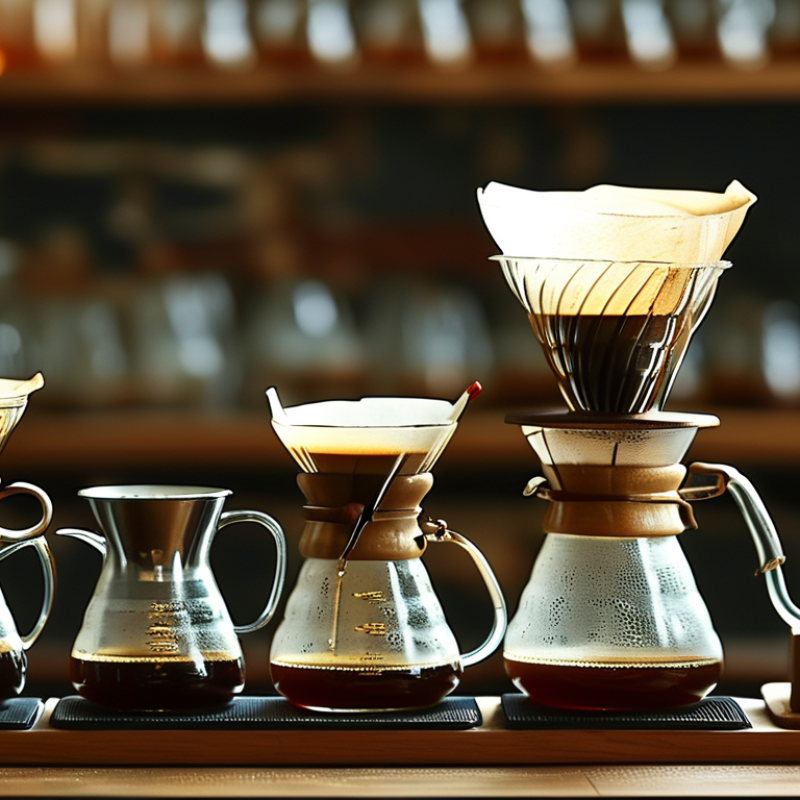
When selecting a pour-over coffee maker, understanding the nuances can make a difference. These devices vary in design, material, and functionality, affecting the overall brewing experience. A glass carafe often highlights the beauty of the brewed coffee. Some makers have a built-in scale for precise measurement, while others rely on manual techniques. These distinctions can impact the flavor and consistency of your coffee.
Brewing with a pour-over requires attention to detail. Factors like water temperature and brew time play crucial roles. Even slight variations in the grind size can lead to different results. Some coffee makers offer adjustable features to help you refine your brewing process. Experimenting with these settings allows for personal taste preferences.
It’s vital to consider your own routine and preferences. Some users favor simplicity, while others enjoy the art of brewing. The right choice should match your lifestyle. Reflecting on your coffee habits can guide you toward the best option for your needs. Each pour-over maker tells a unique story through the coffee it produces.
Brewing pour over coffee is an art that requires attention to detail. Begin with quality coffee beans. Freshness enhances flavor. Grind your beans just before brewing to unlock their full potential. The coffee grind size should resemble table salt for optimal extraction.
Water temperature also plays a crucial role. Ideal brewing temperature hovers around 195 to 205 degrees Fahrenheit. Too hot, and you risk over-extraction, leading to bitter notes. Too cool, and your coffee will taste weak or sour. Pour in a slow, circular motion to ensure even saturation. This technique encourages uniform extraction, enhancing the overall flavor profile.
After brewing, reflect on your process. Did the coffee meet your expectations? Adjust your grind size or water temperature next time if needed. Experimenting with ratios can also yield different flavor nuances. Remember, perfecting pour over coffee is a journey. Every cup offers a chance to learn and improve.
The pour-over coffee trend is growing among consumers worldwide. Reports indicate that pour-over coffee consumption has surged by over 30% in the last five years. This reflects a shift in consumer preferences toward handcrafted brewing methods, highlighting a desire for quality over convenience. Many coffee enthusiasts invest in equipment that enhances the brewing experience, prioritizing flavor consistency and aroma.
Research shows that about 60% of millennial coffee drinkers prefer single-origin beans for their pour-over coffee. This choice speaks to a broader trend of sustainability and transparency in sourcing. Consumers are increasingly interested in the journey of their coffee, from farm to cup. Moreover, around 40% of pour-over users report that they appreciate the ritualistic aspect of brewing, which often involves a more deliberate, mindful approach to coffee preparation.
However, challenges remain in the market. Not all users find the learning curve of pour-over methods easy to navigate. Some encounter issues with control over water temperature and pour rate, risking bitter or under-extracted brews. Additionally, the accessibility of high-quality beans can vary significantly by region. This inconsistency may deter some potential pour-over enthusiasts from fully engaging with the craft.
| Region | Average Price (USD) | Popular Materials | Preferred Brewing Time (minutes) | Consumer Rating (1-5) | Trends in Consumption |
|---|---|---|---|---|---|
| North America | $30-$60 | Glass, Ceramic | 3-4 | 4.5 | Increase in home brewing |
| Europe | €20-€50 | Stainless Steel, Porcelain | 2-3 | 4.3 | Rise in specialty coffee shops |
| Asia | ¥300-¥600 | Bamboo, Glass | 3-5 | 4.6 | Growing popularity of home solutions |
| South America | $25-$55 | Wood, Ceramic | 4-6 | 4.2 | Cultural appreciation for coffee varieties |
| Australia | AUD 40-AUD 80 | Metal, Plastic | 2-4 | 4.4 | Trend towards minimalist designs |
: Glass or ceramic options retain heat well. They also allow you to see the brewing process.
Permanent filters save money, while paper filters enhance flavor clarity. Choose based on your taste preference.
A slow, controlled pour extracts flavors evenly from coffee grounds. It significantly impacts the final taste.
Water temperature and grind size are crucial. Adjusting these variables can change the flavor outcome.
Reflect on your routine and preferences. Some prefer simplicity, while others enjoy the brewing art.
It has surged by over 30% in five years. Consumers are seeking quality over convenience in their coffee.
About 60% prefer single-origin beans. This reflects a trend towards sustainability in sourcing coffee.
The learning curve can be steep. Issues with temperature control can lead to bitter or weak brews.
Around 40% appreciate the ritual. It fosters a mindful approach to coffee preparation, enhancing the experience.
Accessibility varies by region, which can discourage potential pour-over enthusiasts. It's an important consideration.
The article "Best Pour Over Coffee Maker for Global Buyers Guide" explores the intricacies of pour over coffee brewing, starting with an understanding of the chemistry behind coffee extraction. It highlights the importance of selecting the right pour over coffee maker by discussing key features that enhance the brewing process, such as material, design, and ability to control water flow and temperature.
Additionally, the article provides a comparative analysis of the top pour over coffee makers available on the market, helping consumers make informed decisions. It emphasizes various brewing techniques that can optimize flavor, enhancing the overall coffee experience. Lastly, the article delves into consumer preferences, showcasing current trends in pour over coffee consumption, reflecting a growing appreciation for this brewing method.

Chinagama