 Chinagama
Best Coffee Bean Grinder for Perfect Brew Every Time?
In the world of coffee, the grind is as crucial as the bean. Renowned coffee expert James Hoffmann once stated, "The way you grind coffee beans can determine the entire experience." A reliable coffee bean grinder is essential for brewing the perfect cup. It controls the size of the grind, which affects flavor extraction.
Many coffee enthusiasts overlook the importance of a quality grinder. They often choose whatever is available without considering their brewing method. This can lead to a disappointing cup of coffee. Not all coffee bean grinders are created equal. Some may produce inconsistent grinds, while others might be overly noisy or difficult to clean.
Selecting the best coffee bean grinder is a journey worth taking. Consider whether you prefer a manual or electric grinder. Each type has its pros and cons. A quality grinder not only enhances your coffee experience but also brings out the unique flavors of each bean. Take your time to reflect on your needs and make the right choice.
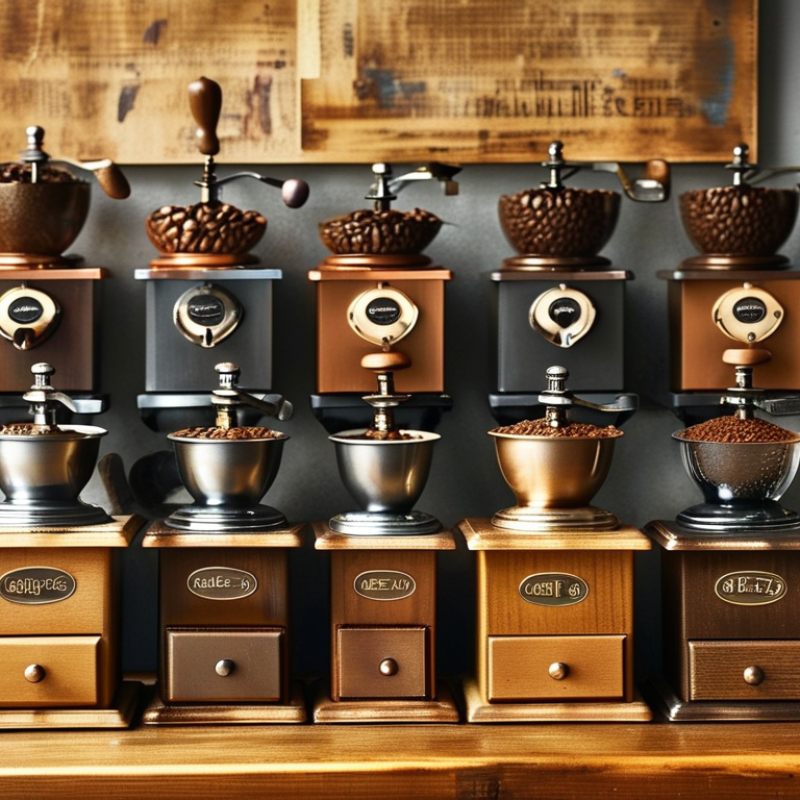
Identification of Coffee Grind Types: Coarse vs. Fine Grind Sizes
When it comes to coffee, grind size matters immensely. Understanding the difference between coarse and fine grind sizes can elevate your brewing experience. Coarse grinds look like sea salt and work best for methods like French press or cold brew. They allow for a slower extraction, enhancing the bold flavors. On the other hand, fine grinds, resembling powdered sugar, are perfect for espresso and stovetop makers. They enable a quick extraction, delivering a concentrated, robust taste.
Choosing the right grind size is crucial for flavor. An overly coarse grind may lead to weak coffee. Meanwhile, a grind that's too fine can result in bitterness. Each brewing method requires its specific grind size to achieve the best flavor profile. Experimenting can be enlightening. Adjusting your grind size can drastically change your cup's outcome. Learn from your mistakes. Too often, coffee enthusiasts overlook this essential detail. Mastering grind sizes takes practice. Each brew is a chance to refine your technique.
Best Coffee Bean Grinder for Perfect Brew Every Time? - Identification of Coffee Grind Types: Coarse vs. Fine Grind Sizes
| Grind Type | Grind Size (Microns) | Brewing Method | Flavor Profile |
|---|---|---|---|
| Coarse Grind | 800 - 1000 | French Press, Cold Brew | Bold, Full-bodied |
| Medium Grind | 600 - 800 | Drip Coffee, Pour Over | Balanced, Bright |
| Fine Grind | 300 - 600 | Espresso, Aeropress | Rich, Concentrated |
| Extra Fine Grind | 200 - 300 | Turkish Coffee | Intense, Powerful |
FAQS
: Grind consistency directly affects flavor and extraction. A uniform grind leads to a better-tasting cup.
Clean your grinder after each use. This prevents oil buildup and maintains brew quality.
A dry brush or cloth works well. Grinding rice monthly is effective for deep cleaning.
Different grind sizes suit different brewing methods. Adjusting the size can enhance flavor profiles.
Many coffee enthusiasts are unaware of grind size versatility. This limits their brewing options and experiences.
Ensure your grinder settings are calibrated and consider professional assessment if issues persist.
Overlooking grinder cleaning and neglecting to adjust grind settings can lead to poor coffee quality.
Regular maintenance and adjustments to grind size are key. Small efforts can lead to significant flavor improvements.
Conclusion
The article "Best Coffee Bean Grinder for Perfect Brew Every Time?" provides an in-depth exploration of the essential aspects of coffee grinding, emphasizing the significance of grind size in achieving optimal brewing results. It categorizes grind types into coarse and fine sizes, highlighting how each affects various brewing methods. The scientific overview underscores the crucial role grind size plays in flavor extraction and overall coffee quality.
Furthermore, the article discusses the essential features to consider when selecting a Coffee Bean Grinder, comparing burr and blade grinders for their performance and consistency. It also analyzes market trends and consumer ratings to identify top grinder brands, alongside offering maintenance tips to ensure longevity and peak performance of coffee grinders. By following these guidelines, coffee enthusiasts can enhance their brewing experience and enjoy the perfect cup every time.
