
The coffee industry is evolving rapidly. Trends in "Bean Coffee Grinder" technology are shaping consumer choices worldwide. According to a recent report from the Specialty Coffee Association, the global market is expected to grow significantly in the next few years. This growth emphasizes the importance of quality grinding for coffee enthusiasts.
Expert James Harney, a renowned coffee analyst, asserts, “The right grinder can transform the brewing experience.” His insight highlights the trend toward investing in high-quality grinders. Buyers are looking for more than just functionality. They seek precision, durability, and user-friendly designs. Details such as grind consistency and noise levels have become crucial factors for consumers.
As the market diversifies, brands must adapt quickly. Emerging trends include electric grinders with smart technology and eco-friendly materials. Yet, innovative features may raise questions about reliability and price. Buyers often feel torn between technology and traditional methods. The evolving landscape of the "Bean Coffee Grinder" industry reflects both challenges and opportunities.
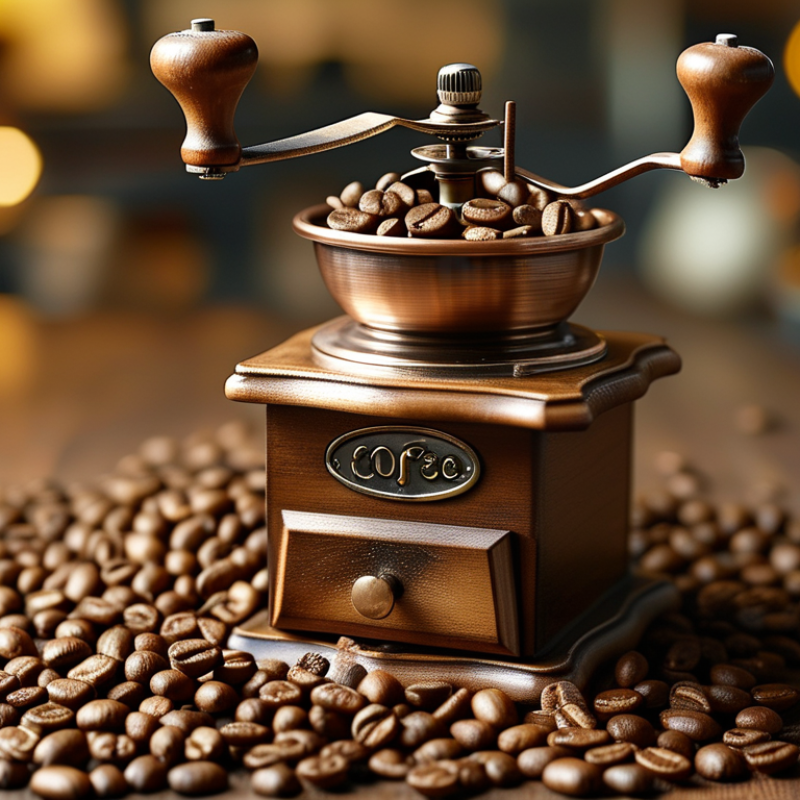
As the coffee industry evolves, new technologies emerge, revolutionizing the coffee grinding process. Innovations like smart grinders are gaining traction. These devices use sensors to measure grind size, ensuring precision. A 2023 market research report indicates that demand for smart coffee equipment is expected to grow by 20% annually through 2026.
Another intriguing trend involves the use of artificial intelligence in grinders. AI can analyze user preferences and alter the grind settings automatically. This technology offers a personalized coffee experience. However, reliance on automation could lead to a loss of traditional grinding skills among enthusiasts. Critics argue that it may devalue the art of coffee making.
Sustainability is another key focus. Many new grinders incorporate eco-friendly materials and energy-efficient designs. A report from the International Coffee Organization highlights that 60% of consumers prioritize sustainability in their coffee products. Yet, challenges remain in balancing high-tech features with environmental impacts. The industry must remain mindful of these dilemmas as it embraces the future.
Coffee grinders are essential for brewing the perfect cup of coffee. Recent market analysis indicates a rising demand for innovative designs. According to a report by Market Research Future, the coffee grinder market is projected to grow at a CAGR of 5.3% from 2021 to 2026. This growth reflects consumers' desire for quality and convenience.
Popular designs now include both manual and electric grinders. Manual grinders attract enthusiasts who appreciate the hands-on approach. Electric grinders, on the other hand, appeal to those seeking speed and efficiency. Users frequently mention the importance of grind consistency. Inconsistent grinds can lead to uneven extraction, affecting flavor.
Moreover, the features in coffee grinders are evolving. Many models now include adjustable grind settings. This allows users to customize their grind size for various brewing methods. Some grinders even incorporate built-in scales for accuracy, but not all offer this feature. Efficiency and ease of cleaning are common concerns. A grinder that is hard to clean can deter regular use. As buyers explore options, assessing these features is crucial for informed decisions.
As we look toward 2026, sustainability in coffee grinder materials emerges as a critical trend. Coffee lovers are increasingly aware of their environmental impact. This awareness drives demand for grinders made from eco-friendly materials. For instance, grinders crafted from reclaimed wood or recycled metals are gaining attention. These materials not only reduce waste but also provide unique aesthetics that many consumers value.
Beyond materials, the production process is under scrutiny. Manufacturers are exploring methods that minimize energy consumption and waste. Innovations like 3D printing offer possibilities for efficient production. However, there is a fine line between sustainability and quality. Cheaper, sustainable options may not always deliver the same performance as traditional grinders. Some buyers may find the trade-off in effectiveness frustrating.
Consumers today seek transparency from manufacturers. They want to know what materials are used and how they are sourced. Ethical considerations are becoming just as important as functionality. As this movement grows, coffee grinder brands must adapt or risk losing relevance in a conscious marketplace. Balancing quality and sustainability remains a challenge that requires ongoing reflection and effort.
The coffee grinder market is evolving rapidly. Consumers are increasingly focused on quality and precision. They want grinders that provide consistent particle size. This preference enhances flavor extraction during brewing. Many buyers look for grinders that can handle various brewing methods. Versatility is a key consideration for them.
Price sensitivity also shapes buying patterns. Affordable options are attractive, especially for casual coffee drinkers. However, serious enthusiasts are willing to invest more for superior performance. Some consumers express confusion when comparing models. Features like grind settings and motor power can be overwhelming. This creates a need for better information and guidance.
Sustainability is becoming a significant factor in consumer decisions. Many buyers prefer eco-friendly materials and energy-efficient designs. While some brands make bold claims, not all are transparent about their practices. This inconsistency raises doubts among shoppers. They demand honesty and accountability from manufacturers. As trends continue to shift, understanding these preferences is crucial for retailers and producers alike.
| Trend | Consumer Preference (%) | Buying Patterns (%) | Price Range ($) |
|---|---|---|---|
| Electric Burr Grinders | 45% | 35% | 100 - 300 |
| Manual Grinders | 30% | 25% | 20 - 80 |
| Portable Grinders | 15% | 20% | 30 - 150 |
| Smart Coffee Grinders | 10% | 15% | 250 - 600 |
The global coffee grinder market is evolving rapidly. Economic factors play a key role in influencing buyer behavior. According to a report from Market Research Future, the coffee grinder market is projected to reach over $1 billion by 2026. This growth reflects increasing coffee consumption trends worldwide.
Several economic factors affect purchasing decisions. Inflation rates have surged recently, impacting disposable income. This means consumers might opt for more affordable options than premium devices. A sluggish economy can dampen spending on non-essential items like high-end coffee grinders. It’s worth noting that 62% of consumers prioritize value over brand-name recognition in this category.
Emerging trends indicate increased interest in multifunctionality. Buyers now seek grinders that are versatile and cost-effective. These shifting demands could lead producers to rethink their product lines. For example, the versatility of specific grinders can cater to both casual drinkers and coffee aficionados. This adaptability may shape the competitive landscape, urging companies to innovate. The path ahead seems uncertain, and brands must pay close attention to both consumer needs and the overall economic climate.
: Eco-friendly materials like reclaimed wood and recycled metals are increasingly popular among consumers.
The production process can minimize energy use and waste, which is crucial for sustainable manufacturing.
Cheaper sustainable options might not perform as well as traditional grinders, causing potential frustration for buyers.
Consumers want transparency regarding the materials used and their sourcing.
Inflation can limit disposable income, leading consumers to choose more affordable grinders.
There is growing interest in multifunctional grinders that cater to both casual and serious coffee drinkers.
Many consumers now prioritize value over brand recognition in coffee grinder purchases.
Manufacturers must balance quality and sustainability while adapting to changing consumer expectations.
The market is projected to exceed $1 billion by 2026, reflecting rising global coffee consumption.
Shifting consumer demands for versatility and cost-effectiveness may influence product development and innovation.
The article "2026 Top Bean Coffee Grinder Trends for Global Buyers" explores the evolving landscape of coffee grinding technology and consumer preferences. As advancements in grinding techniques emerge, the article highlights how these innovations are enhancing the efficiency and quality of bean coffee grinders. Additionally, it reviews popular designs and features that are gaining traction among consumers, emphasizing sustainability in materials used for production, which is becoming increasingly important to environmentally-conscious buyers.
Moreover, the article delves into consumer preferences and buying patterns, indicating a shift towards more personalized and user-friendly coffee grinder options. It also examines predicted price trends influenced by economic factors, providing insight into how the market for bean coffee grinders is likely to evolve in the coming years. Overall, this comprehensive analysis serves as a valuable resource for global buyers looking to navigate the future of the coffee grinder market.

Chinagama